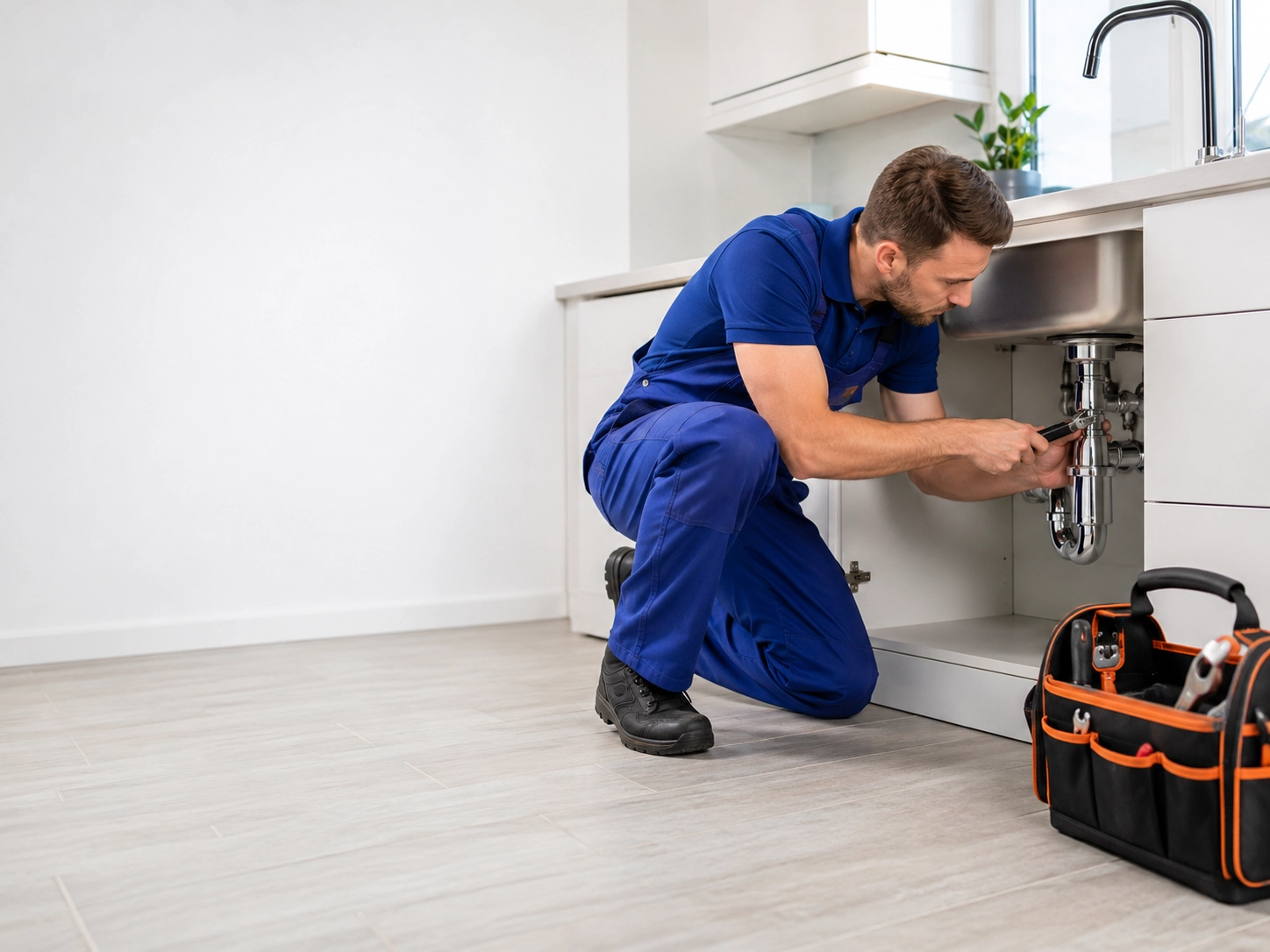
Plumbing work covers far more than repairing a leaking tap or unblocking a drain. A property’s plumbing system includes water-supply pipes, drains, fixtures, valves, geysers and connections that help deliver clean water and remove wastewater safely.
Some plumbing jobs involve relatively straightforward repairs, while others require replacing pipes, installing new fixtures, repairing geysers or altering an existing plumbing layout. Understanding the different types of plumbing work can help homeowners recognise problems earlier, plan repairs properly and know when professional assistance is needed.
This guide explains common plumbing jobs, repairs and installations, what can affect the cost of plumbing work and what homeowners should consider before work begins.
What Does Plumbing Work Include?
Plumbing work generally involves installing, maintaining, repairing or replacing systems responsible for water supply and drainage. The scope can range from changing a faulty tap to installing new water and waste lines during a bathroom renovation.
Common types of plumbing work include:
- Repairing leaking taps and mixers
- Finding and repairing leaking pipes
- Unblocking sinks, toilets and drains
- Replacing damaged water pipes
- Installing toilets, basins, baths and showers
- Installing taps and mixer systems
- Repairing or replacing geysers
- Installing new water-supply lines
- Installing or modifying drainage systems
- Bathroom renovation plumbing
- Kitchen renovation plumbing
- General plumbing maintenance
- Emergency plumbing repairs
Property owners looking for professional assistance can review Savvy Plumbing’s complete range of plumbing services for repairs, installations, leak detection, blocked drains, geysers and general maintenance.
What Are the Most Common Types of Plumbing Work?
Residential plumbing work can generally be divided into repairs, maintenance, installations and renovation plumbing. The correct solution depends on the condition of the existing system, the location of the problem and whether the fault is isolated or part of a larger issue.
1. Leak Repairs
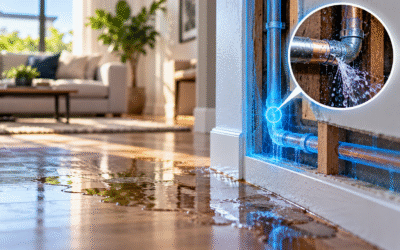
Leaks are among the most common plumbing problems in residential properties. Water can escape from taps, toilet connections, pipe fittings, geyser connections, supply lines or concealed pipes inside walls, ceilings and floors.
Even a relatively small leak can increase water consumption and eventually damage cupboards, flooring, walls, ceilings and other building materials.
If water is visible but the source is unclear, professional leak detection may be needed to identify the problem before unnecessary walls or flooring are opened.
2. Blocked Drain Repairs
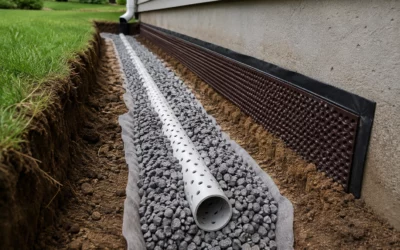
Blocked drains can affect kitchen sinks, showers, baths, toilets and larger sections of a property’s drainage system. Grease, food waste, hair, soap residue, foreign objects, damaged pipes, roots and accumulated debris can all restrict drainage.
A drain that repeatedly blocks should not simply be cleared over and over without considering the underlying cause. Persistent problems can indicate damaged pipework or a deeper obstruction that needs to be investigated.
More information about common plumbing and drainage problems can be found in Savvy Plumbing’s plumbing service resources.
3. Pipe Repairs and Replacement
Water and drainage pipes can crack, corrode, deteriorate or become damaged over time. Some plumbing work only requires a small section of pipe to be repaired, while older or badly damaged systems may require larger sections to be replaced.
The appropriate repair depends on the material, age, location and condition of the pipe. Concealed pipework may also require further investigation before the damaged area can be accessed.
4. Toilet Repairs and Installations
Common toilet problems include continuously running water, leaking cisterns, faulty inlet valves, damaged flushing mechanisms, loose connections and blocked waste pipes.
Individual components can often be repaired or replaced. Where the toilet itself is damaged, outdated or being changed as part of a bathroom renovation, a complete replacement may be the more practical option.
5. Tap and Mixer Repairs
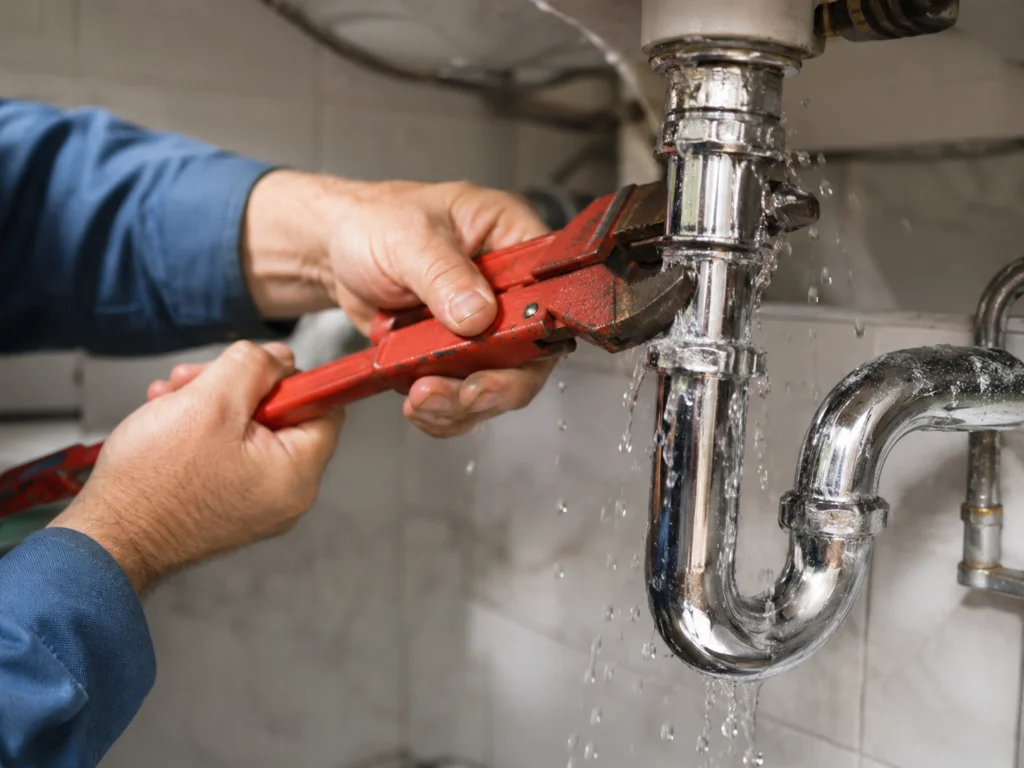
Dripping taps and faulty mixers are frequently caused by worn cartridges, seals, washers or internal components. Depending on the age and condition of the fixture, the plumber may repair the existing unit or recommend replacing it.
New taps and mixers also need to be properly connected and sealed to prevent leaks around the fixture or beneath the basin, sink or bath.
6. Geyser Repairs and Installations
Geyser plumbing work can include investigating leaks, replacing valves, repairing pipe connections, replacing damaged components and installing replacement water-heating systems.
A leaking or faulty geyser should be investigated promptly because uncontrolled water can damage ceilings, walls, flooring and other parts of the property.
Savvy Plumbing provides dedicated geyser installation and repair services. Homeowners considering a common residential geyser capacity can also read Savvy’s 150L geyser guide.
Plumbing Work for Bathroom Renovations
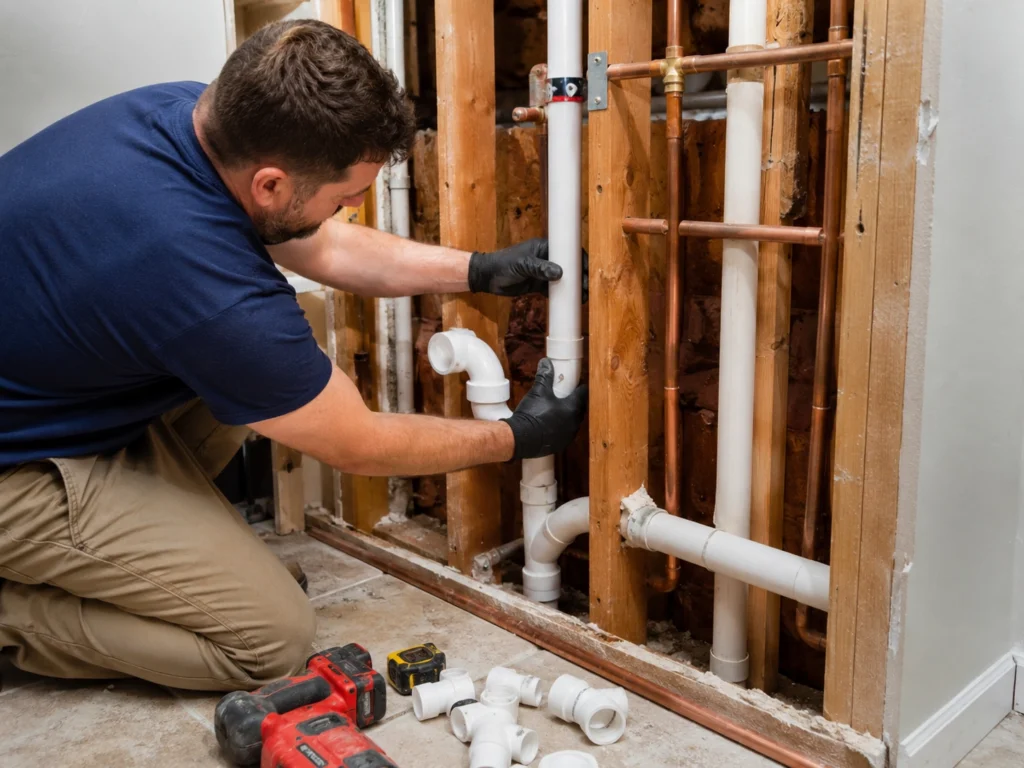
Bathroom renovations often involve more plumbing work than homeowners initially expect. Moving a toilet, shower, bath or basin can require alterations to both the water-supply and wastewater systems.
For this reason, plumbing should be planned before tiling, cabinetry, vanities and other finishing work begins.
Bathroom renovation plumbing can include:
- Moving water-supply points
- Relocating waste pipes
- Installing shower plumbing
- Installing bath connections
- Installing basin plumbing
- Changing toilet positions
- Installing concealed mixers
- Replacing ageing pipework
- Installing isolation valves
- Testing pipes before walls and floors are closed
Planning this work before finishes are installed can help prevent new tiles, flooring or cabinetry from having to be removed later. Read Savvy Plumbing’s guide to professional plumbing during home renovations for more information.
Plumbing Repairs vs Plumbing Installations
Although repairs and installations are both forms of plumbing work, they solve different problems. Repairs restore an existing plumbing system, while installations add or replace fixtures, pipes or other components.
| Type of Plumbing Work | Typical Examples | Purpose |
|---|---|---|
| Plumbing repairs | Leaking taps, burst pipes and faulty toilets | Restore an existing plumbing system |
| Drain repairs | Blocked drains and damaged waste pipes | Restore proper wastewater flow |
| Plumbing installations | New toilets, sinks, showers and pipes | Add or replace plumbing fixtures |
| Geyser work | Repairs, valves and replacement installations | Repair or install hot-water systems |
| Renovation plumbing | Moving pipes and installing new fixtures | Adapt plumbing to a new property layout |
| Maintenance | Inspections, servicing and minor repairs | Identify and prevent larger problems |
| Emergency plumbing | Burst pipes, major leaks and overflowing drains | Limit immediate damage and restore service |
What Does Plumbing Work Cost?
There is no single price that applies to every plumbing job. Repairing a leaking tap is very different from replacing concealed pipework, repairing a burst geyser or changing the plumbing layout of an entire bathroom.
Factors that can affect the cost of plumbing work include:
- The type of plumbing problem
- The amount of labour required
- The parts and materials needed
- How easily the plumbing can be accessed
- Whether walls, ceilings or floors need to be opened
- The condition of the existing system
- Whether specialised equipment is required
- The number of fixtures being installed
- Whether the work forms part of a larger renovation
- Whether emergency assistance is required
A useful plumbing quote should therefore be based on the actual work required rather than only an advertised hourly rate or call-out fee.
Why Can a Small Plumbing Problem Become a Larger Repair?
The visible symptom is not always the underlying plumbing problem. Water beneath a basin, for example, could come from a loose fitting, damaged waste connection, leaking tap connector or concealed pipe inside the cabinet or wall.
Similarly, repeatedly clearing the same blocked drain may provide temporary relief without correcting a damaged pipe, root intrusion or obstruction further along the drainage system.
A proper plumbing assessment should therefore focus on identifying the cause of the problem rather than only dealing with the most obvious symptom.
When Should You Call a Professional Plumber?
Professional assistance should be considered when plumbing work involves pressurised water lines, drainage systems, geysers, concealed leaks, major installations or problems that repeatedly return after temporary repairs.
Warning signs that may require professional plumbing work include:
- A sudden drop in water pressure
- An unexplained increase in water usage
- Water stains on walls or ceilings
- Persistent damp areas
- Repeatedly blocked drains
- Slow drainage throughout the property
- A toilet that regularly blocks or leaks
- Water collecting around a geyser
- Unusual noises from pipes
- Visible corrosion or damaged pipework
- A burst or actively leaking pipe
Major leaks and burst pipes should be addressed quickly because continued water flow can significantly increase property damage.
For urgent situations involving a water heater, Savvy Plumbing’s guide on what to do when a geyser bursts explains the first steps homeowners should consider.
Can You Do Plumbing Work Yourself?
Some basic household maintenance tasks may be manageable for homeowners, such as cleaning a tap aerator or checking a simple accessible connection. More complicated plumbing work requires greater care.
Incorrect repairs can cause additional leaks, water damage, drainage problems, pressure issues or installations that do not meet the required standards. Work involving geysers, sanitary drainage, concealed plumbing and significant pipe alterations is particularly important to complete correctly.
Homeowners who want to understand the difference between a small maintenance task and work that requires professional help can browse Savvy Plumbing’s plumbing advice and maintenance guides.
What Is a Plumbing Certificate of Compliance?
A Plumbing Certificate of Compliance, commonly referred to as a plumbing CoC, is documentation used for qualifying plumbing work to confirm that the installation covered by the certificate has been completed according to the applicable requirements.
Whether documentation is required depends on the nature and extent of the work being completed. Homeowners should discuss compliance requirements with the plumber before significant installations or alterations begin.
Savvy Plumbing’s professional plumbing services cover both planned installations and repairs for residential, commercial and other properties across Johannesburg and surrounding Gauteng areas.
What Should You Check Before Plumbing Work Starts?
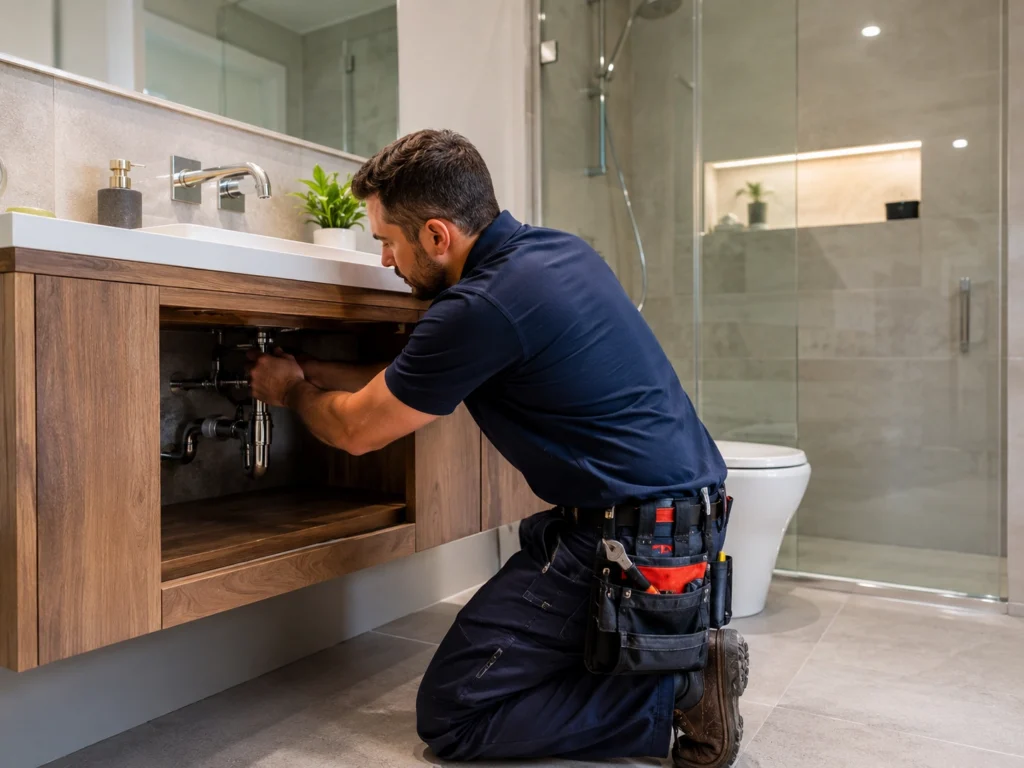
Clear planning can reduce unexpected changes after a plumbing job has started. Before approving a larger repair, installation or renovation, discuss the complete scope with the plumber.
Useful questions include:
- What is causing the plumbing problem?
- Can the existing plumbing be repaired or does it need replacement?
- Which parts and materials will be needed?
- Will walls, ceilings or floors need to be opened?
- Could additional problems become visible once the plumbing is exposed?
- Will compliance documentation be required?
- Will the water supply need to be turned off?
- How will the system be tested after the work is completed?
This planning becomes particularly important during renovations because plumbers, builders, tilers, electricians and other trades may need to complete their work in a specific order.
Why Regular Plumbing Maintenance Matters
Plumbing work does not always need to begin with an emergency. Routine inspection and maintenance can identify small leaks, ageing fittings, slow drains, corrosion and other warning signs before they develop into larger repairs.
Homeowners should pay attention to changes in water pressure, drainage speed, water usage and signs of moisture around plumbing fixtures.
Preventative maintenance can be particularly valuable in older homes, rental properties, commercial buildings and properties where the plumbing system has been altered several times.
Savvy Plumbing’s plumbing service guides provide additional information about maintenance, common plumbing faults and repairs.
Emergency Plumbing Work
Some plumbing problems should not wait for a routine appointment. Burst pipes, rapidly leaking geysers, overflowing drains and major uncontrolled leaks can cause extensive damage if water continues to flow.
If a serious leak occurs, isolate the relevant water supply where it is safe and practical to do so. Avoid electrical fittings or equipment in areas affected by water and arrange professional plumbing assistance.
Savvy Plumbing provides emergency plumbing services in Johannesburg and Gauteng alongside leak detection, geyser support, blocked-drain assistance, plumbing installations and maintenance.
Choosing the Right Plumber for the Work
Good plumbing work should do more than temporarily stop a leak. The underlying fault should be identified, suitable materials should be used and the completed plumbing system should be properly tested.
When choosing a plumber, consider:
- Experience with the type of plumbing work required
- Appropriate professional registration where applicable
- A clear explanation of the problem and proposed solution
- The materials and installation methods being used
- Whether required compliance documentation can be provided
- Workmanship guarantees where offered
- Experience with both repairs and installations
For additional guidance, read Savvy Plumbing’s article on choosing the right plumbing company.
Planning Professional Plumbing Work
Plumbing systems are largely hidden once a property is complete, which makes correct installation and maintenance especially important. A small fault behind a wall, floor or ceiling can become significantly more expensive to repair once water damage occurs.
Whether the project involves a simple repair, a new bathroom installation, geyser replacement, drainage work or a larger property renovation, planning the work correctly can help reduce future problems and unnecessary costs.
For planned or urgent plumbing work in Johannesburg and surrounding Gauteng areas, review Savvy Plumbing’s professional plumbing services and arrange an assessment or quotation.
Frequently Asked Questions About Plumbing Work
What is considered plumbing work?
Plumbing work generally includes installing, repairing, maintaining or replacing water pipes, drains, taps, toilets, basins, showers, baths, geysers and other parts of a property’s water-supply and wastewater systems.
What are the most common plumbing jobs?
Common plumbing jobs include repairing leaking pipes and taps, clearing blocked drains, fixing toilets, replacing damaged pipes, repairing geysers and installing new sinks, basins, showers, baths and other plumbing fixtures.
How much does plumbing work cost?
The cost of plumbing work depends on the type of repair or installation, labour, materials, accessibility and the condition of the existing plumbing. Larger projects and concealed pipe repairs generally require an assessment before an accurate quotation can be prepared.
When should I call a plumber?
Call a plumber when you have burst pipes, major leaks, recurring blocked drains, unexplained water loss, geyser problems, low water pressure or plumbing work involving new installations and significant alterations to existing pipes or drainage.
Can a plumber do bathroom renovation work?
Yes. Plumbing is an important part of bathroom renovations, particularly when toilets, basins, showers or baths are being installed or relocated. Plumbing alterations should normally be planned before tiling and other permanent finishes are completed.
Do I need a Plumbing Certificate of Compliance in South Africa?
A Plumbing Certificate of Compliance may be required for certain plumbing installations and alterations in South Africa. The exact requirement depends on the nature and scope of the work, so homeowners should confirm the applicable requirements with the plumber before work begins.
Is a leaking pipe an emergency?
A small contained leak may not always require emergency attendance, but a burst pipe or uncontrolled leak should be addressed urgently. Where safe to do so, isolate the water supply to reduce the risk of damage to walls, ceilings, floors and furniture.