Burst geyser problems can cause sudden stress, water damage, electrical risk and serious disruption inside a home, especially when the leak starts without warning. A geyser is one of the most important plumbing systems in the property, but because it is usually installed in a ceiling, cupboard, roof space or utility area, many homeowners only notice a problem once water starts dripping through the ceiling, running down walls or pooling on the floor. Knowing what to do in the first few minutes can help limit damage, protect your family and make it easier for a professional plumber to repair or replace the system safely.
What should you do first when you discover a burst geyser?
The first thing to do when you discover a burst geyser is to stay calm and act quickly, because the goal is to stop more water from entering the damaged system. Start by turning off the water supply to the geyser or the main water supply to the property if you are unsure where the geyser valve is located. This helps prevent continuous flooding and reduces the pressure inside the system. Once the water is off, avoid touching wet electrical fittings, ceilings, switches or exposed wiring. If water is near any electrical points, switch off the electricity at the main distribution board only if it is safe to reach. After that, move furniture, electronics, rugs and valuables away from the affected area where possible. A burst geyser can cause ceiling stains, damaged cupboards, soaked insulation and weakened boards, so early action makes a big difference before calling a qualified plumber.

Why does a burst geyser happen in the first place?
A burst geyser can happen for several reasons, but the most common causes are age, corrosion, faulty pressure control, poor maintenance, incorrect installation or a failing safety valve. Over time, the inner cylinder of the geyser can weaken, especially if the sacrificial anode has deteriorated or if mineral build-up has affected the tank. Pressure is another major factor. If the pressure control valve or temperature and pressure safety valve is not working properly, the geyser may be placed under strain until a pipe, fitting or tank seam fails. In some homes, the problem is not the geyser cylinder itself but a burst pipe, leaking overflow, failed valve or damaged connection near the geyser. This is why a proper inspection is important. A plumber needs to determine whether the problem is repairable or whether a replacement is the safer long-term solution.
How do you switch off the water to a burst geyser?
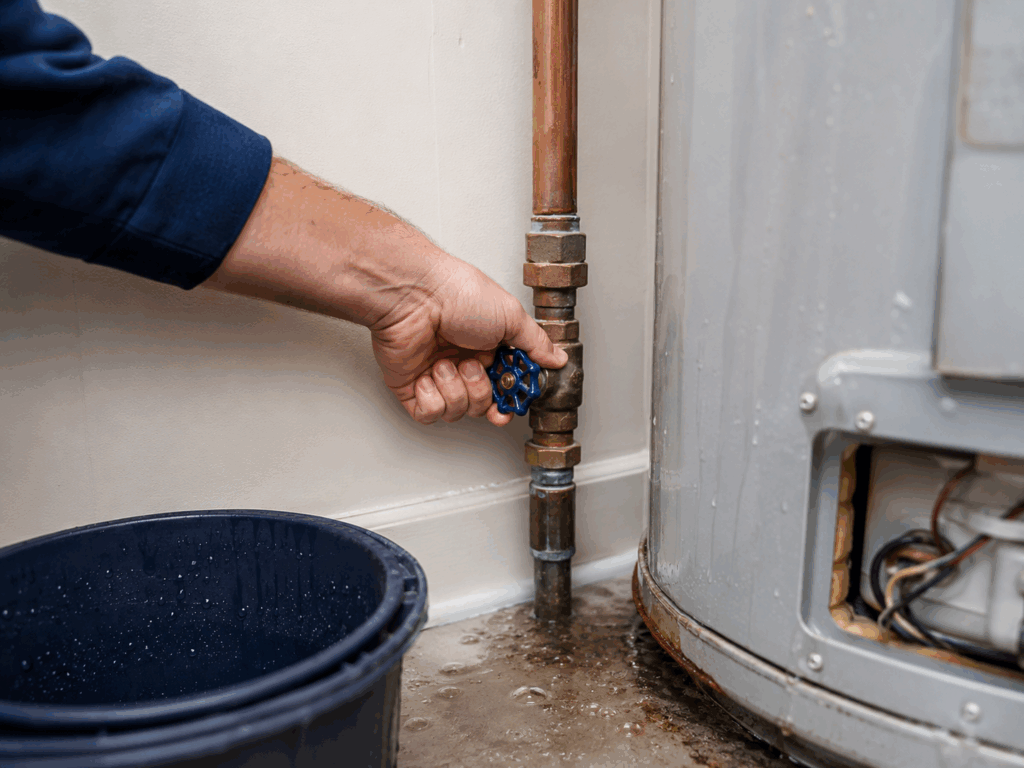
To switch off the water to a burst geyser, look for the cold-water inlet valve connected to the geyser system. This is usually found close to the geyser, often on the pipe feeding into the unit. In many homes, it may be a small lever valve, stopcock or isolating valve. Turn it off fully to stop water from entering the geyser. If you cannot find the geyser valve, or if the leak is too severe to access the area safely, turn off the main water supply to the house. The main shut-off valve is often near the water meter, boundary wall, outside tap area or where the municipal supply enters the property. Once the water is off, open a hot water tap inside the house to help release pressure from the system. If you are unsure, do not climb into a ceiling or roof space while water is leaking, because wet ceilings and electrical risk can make the situation dangerous.
Should you switch off the electricity when a geyser bursts?
Yes, you should switch off the electricity when a geyser bursts, but only if you can do so safely. A geyser is connected to the home’s electrical supply, and water leaking near wiring, light fittings, ceilings or walls can create a serious hazard. The safest step is usually to switch off the geyser circuit breaker at the distribution board. If water is already near the DB board or if you would have to stand in water to reach it, stay away and wait for professional help. Electrical safety is one of the most important parts of dealing with a burst geyser, because the danger is not always visible. Water can travel through ceilings, conduits and wall cavities. Savvy Plumbing’s health and safety approach is especially important in situations where plumbing damage and electrical exposure may overlap.
How can you reduce water damage after a burst geyser?
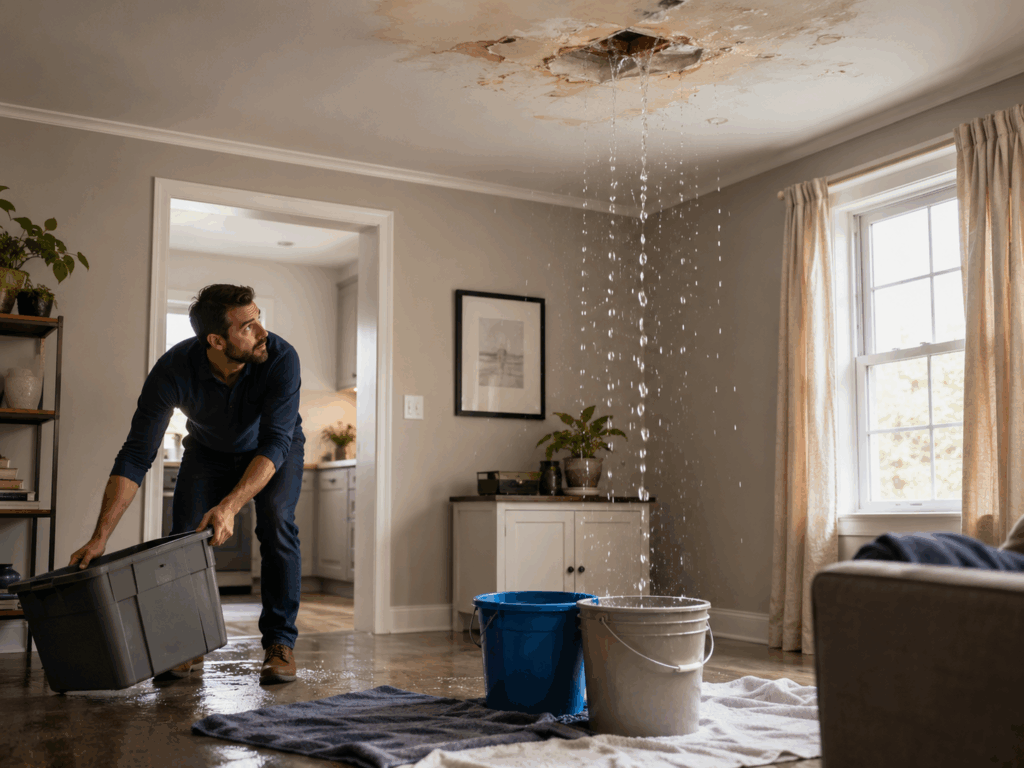
Once the water supply is off and the area is safe, the next step is to reduce water damage as much as possible. Place buckets or containers under active drips, use towels or mops to absorb water, and move belongings away from the affected area. If water is dripping through the ceiling, do not poke holes or pull at ceiling boards unless advised by a professional, because a waterlogged ceiling can collapse unexpectedly. Open windows and doors to increase ventilation, and take photos of the damage for insurance purposes before cleaning up too much. Document the affected rooms, ceiling marks, flooring, cupboards, furniture and any visible geyser damage. If the geyser is inside a ceiling, water may have spread further than it appears, so the property may need proper drying after repairs. Quick action can help prevent mould, swelling, stains and long-term structural issues.
When should you call a plumber for a burst geyser?
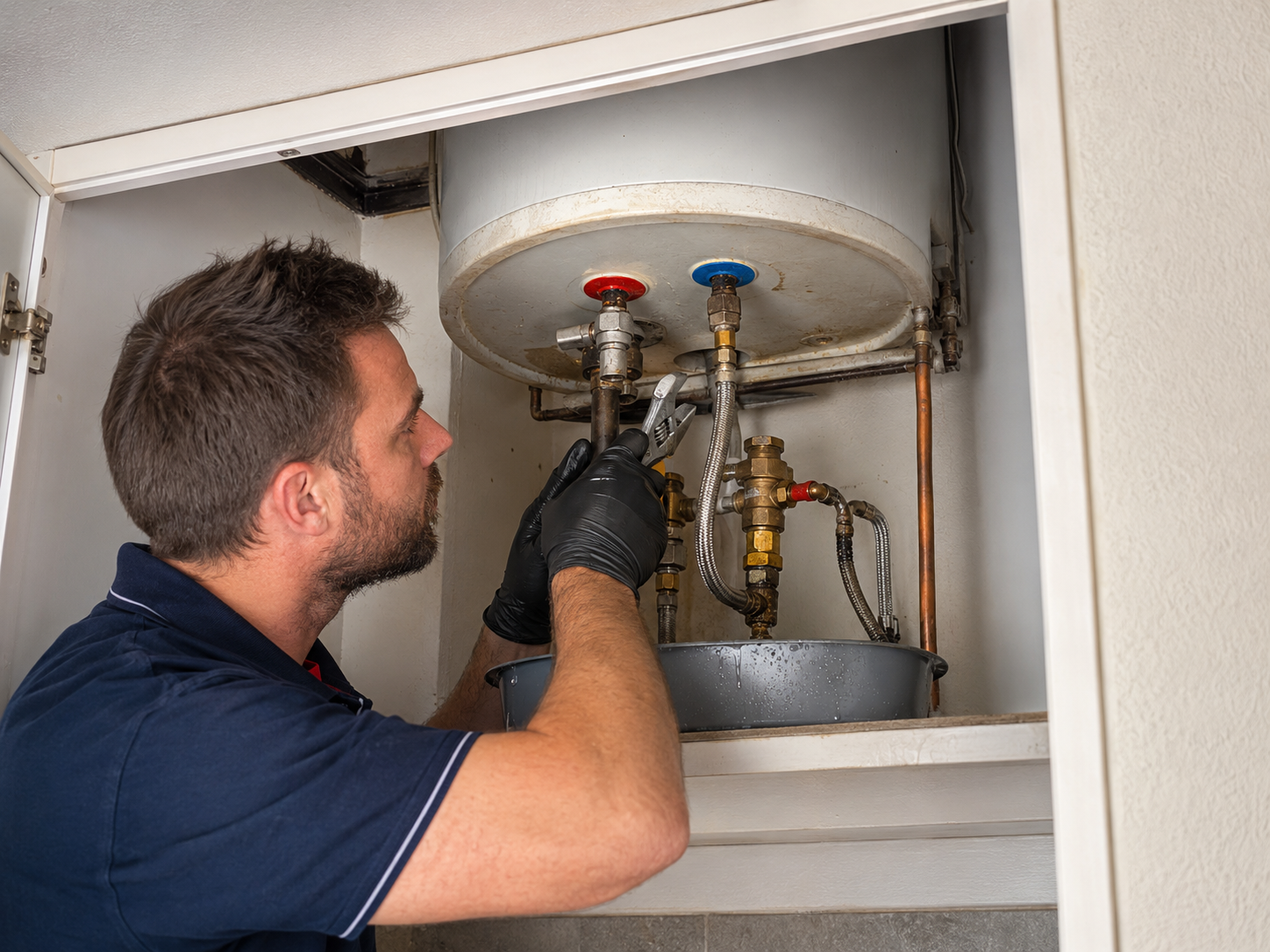
You should call a plumber immediately after taking the basic safety steps, because a burst geyser is not a problem that should be left for later. Even if the water appears to slow down, the underlying issue still needs to be inspected, repaired and tested. A professional plumber can check the geyser cylinder, valves, overflow, pressure control, pipework, drip tray and discharge pipes to identify the real cause of the failure. They can also advise whether the geyser can be repaired or whether it needs to be replaced. If you need urgent assistance, Savvy Plumbing provides dedicated burst geyser repairs for homeowners dealing with leaking or failed systems. Calling a plumber early also helps prevent repeated leaks, hidden ceiling damage and avoidable water wastage.
Can a burst geyser be repaired, or does it need replacing?
Whether a burst geyser can be repaired depends on where the failure has happened. If the issue is a leaking valve, loose connection, damaged pipe, failed thermostat, faulty element or overflow problem, repair may be possible. However, if the geyser cylinder itself has ruptured, corroded or split, replacement is usually the safer and more practical option. A damaged cylinder cannot normally be patched in a way that gives reliable long-term performance. A professional assessment is important because some leaks look like a burst tank but are actually caused by nearby components. The plumber should check all related parts before making a recommendation.
| Problem Area | Possible Solution |
|---|---|
| Leaking valve | Replace the faulty valve |
| Damaged pipe connection | Repair or replace pipework |
| Faulty overflow discharge | Inspect pressure and safety valves |
| Split geyser cylinder | Replace the geyser |
| Old or corroded unit | Replacement may be more cost-effective |
| Poor installation | Correct the installation and related components |
What should homeowners know about geyser safety and pressure?
Homeowners should understand that a geyser works under heat and pressure, which is why correct installation and maintenance are so important. The system relies on safety components such as pressure control valves, temperature control, discharge pipes and overflow arrangements to operate safely. If these parts fail, the geyser may leak, overflow or burst. A water heating system may look simple from the outside, but it contains several components that must work together to heat and store water safely. Homeowners should never block overflow pipes, ignore dripping discharge pipes or attempt to seal leaking safety outlets, because those signs may indicate pressure or temperature problems. Regular inspections through professional plumbing maintenance services can help identify worn parts before they become urgent failures.
How can you prevent another burst geyser in future?
Preventing another burst geyser starts with routine checks, proper installation and replacing worn components before they fail. Homeowners should look out for warning signs such as rusty water, unusual noises, inconsistent hot water, dripping overflow pipes, damp ceilings, water stains near the geyser area or sudden changes in water pressure. It is also important to know the age of the geyser. Older units are more likely to corrode and may become less reliable over time. During maintenance, a plumber can inspect the valves, pipework, drip tray, overflow, thermostat, element and general condition of the cylinder. If you are renovating or upgrading your plumbing layout, proper planning through professional plumbing installations can also reduce the risk of poor positioning, incorrect pressure control or future access problems.
- Check ceilings and cupboards for damp marks.
- Do not ignore water dripping from overflow pipes.
- Service older geysers before problems become urgent.
- Make sure the geyser has a proper drip tray and overflow route.
- Ask a plumber to inspect pressure control and safety valves.
- Replace ageing geysers before they fail unexpectedly.
What information should you give the plumber when you call?
When you call a plumber about a burst geyser, give clear information so they can understand the urgency and arrive prepared. Explain where the geyser is located, whether the water supply has been turned off, whether electricity has been switched off, how much water is leaking and whether there is visible ceiling or electrical damage. Mention whether the geyser is installed in the ceiling, outside, in a cupboard or in a dedicated utility space. If you know the geyser size, brand or age, provide that too. You should also tell the plumber if the leak is affecting multiple rooms, if there is water near light fittings, or if the ceiling looks swollen. These details help the plumber assess whether the job may require repair parts, replacement planning, additional safety steps or urgent damage control.
Why should a burst geyser be handled professionally?
A burst geyser should be handled professionally because it involves water pressure, hot water, electrical safety, structural risk and insurance-related documentation. A quick DIY fix may stop visible water temporarily, but it may not address the cause of the failure. Professional plumbers can test the system, replace faulty parts correctly, check compliance, advise on replacement options and help prevent repeat problems. They can also identify whether the issue is part of a larger plumbing concern, such as excessive pressure, ageing pipework or poor drainage around the geyser installation area. In some cases, homeowners may also consider upgrading to a more efficient water heating solution, such as a solar system, and Savvy Plumbing’s solar geyser services may be relevant when planning a future replacement. A burst geyser is stressful, but with fast action and proper plumbing support, the damage can be controlled and the home can be made safe again.