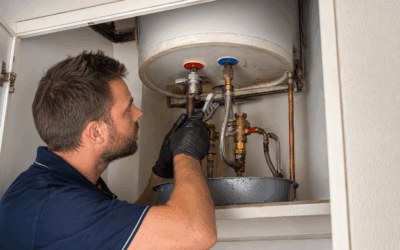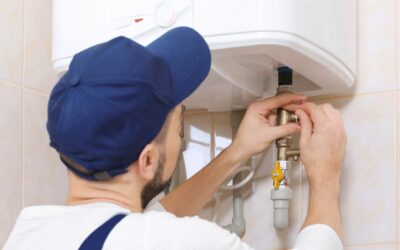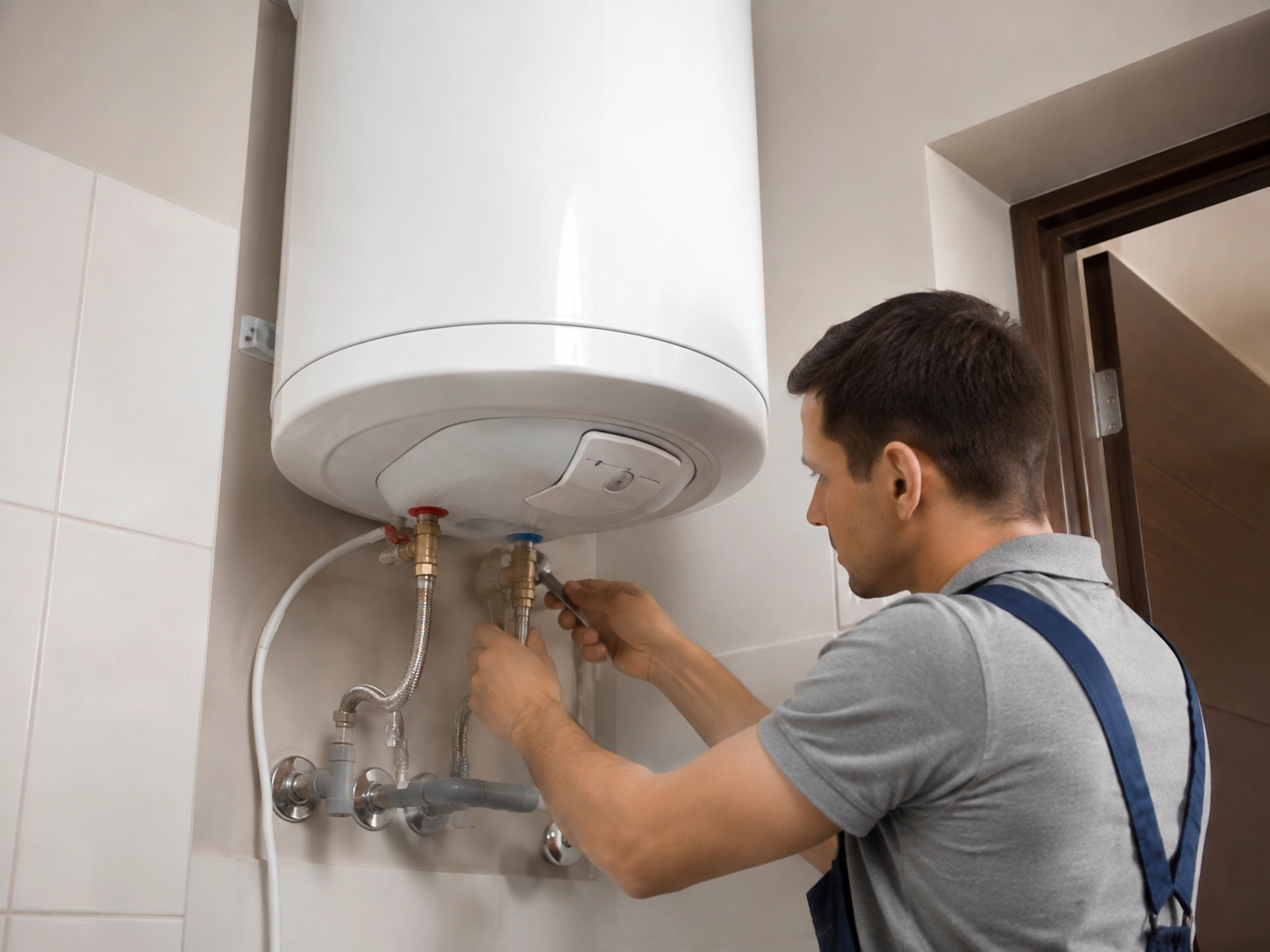
A 150l geyser is a practical hot-water storage option for many South African homes, particularly households of approximately three to four people with controlled shower and household usage. Capacity alone does not determine whether it is the correct choice, however. The number of bathrooms, simultaneous showers, bath usage, incoming water temperature, element rating and daily routines all affect whether the geyser will supply enough hot water. This guide explains how to assess the size, estimate energy use and identify the checks that should be completed before installing or replacing a 150-litre geyser.
Is a 150l geyser the right size for your household?
A 150l geyser is commonly suitable for a household of around three to four people, but this should be treated as a starting point rather than a guaranteed sizing rule. A family that mainly takes short showers at different times may use considerably less hot water than a smaller household that fills baths, takes long showers or uses several hot-water outlets simultaneously.
The correct capacity depends on peak demand. This is the period when the highest volume of hot water is required within a short time, such as when several people shower before work or school. If two showers run simultaneously, the stored supply may be depleted faster than the element can reheat it. Larger homes with multiple bathrooms may therefore need a 200-litre geyser, separate geysers for different areas or a professionally designed alternative.
Before choosing a unit, consider how many people live in the property, whether they shower or bath, how long showers normally last and whether hot water is used in several rooms at the same time. A plumber can assess these patterns alongside the existing plumbing layout and advise whether the proposed capacity is realistic.
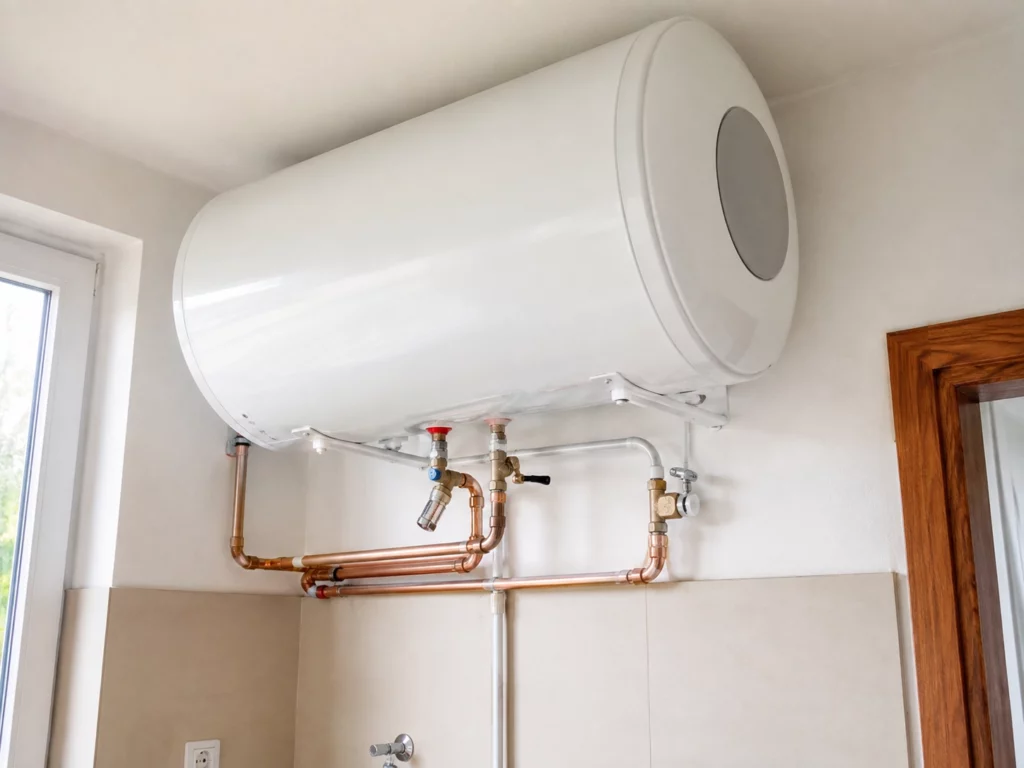
What household factors affect 150L geyser sizing?
The main factors are household size, peak usage, shower flow rates, bath usage, the number of bathrooms and the temperature of the incoming municipal water. These factors determine how quickly the stored hot water is used and how much cold water must be reheated.
| Household Factor | How It Affects the Decision |
|---|---|
| Number of residents | More people generally increase total daily hot-water demand. |
| Simultaneous showers | Using two showers together can empty stored hot water quickly. |
| Bath usage | Filling a bath normally uses more stored hot water than a short shower. |
| Shower flow rate | High-flow shower heads consume the available hot water faster. |
| Incoming water temperature | Colder inlet water requires more energy and reduces the effective mixed-water supply. |
| Usage schedule | Staggered showers give the geyser more time to recover between users. |
Highveld winters can also affect performance because colder incoming water requires a larger temperature increase before it reaches the thermostat setting. A capacity that feels adequate during summer may recover more slowly during colder periods. This is one reason household behaviour and location should be considered instead of selecting a geyser only according to the number of occupants.
How much electricity does a 150L geyser use?
The electricity used by a 150L geyser depends on its element rating, thermostat temperature, heat loss, incoming water temperature and how much hot water the household consumes. A common 150-litre electric model may use a 3kW element, meaning it draws approximately 3kWh of electricity for every hour that the element is continuously heating.
As a theoretical example, heating 150 litres of water from 20°C to 65°C requires approximately 7.85kWh before allowing for heat losses. A 3kW element would take roughly 2.6 hours to complete that full temperature increase under ideal conditions. In normal use, the entire cylinder is not always reheated from completely cold, so actual daily consumption depends mainly on how much hot water is removed and replaced.
The geyser does not draw its full element rating continuously throughout the day. The thermostat switches the element on when the water temperature drops and switches it off when the set temperature is reached. Repeated showers, leaking hot-water pipes, a dripping hot tap or poor insulation can make the element cycle more frequently.
How can you reduce the energy use of a 150l geyser?
You can reduce the energy use of a 150l geyser by limiting unnecessary hot-water consumption, correcting leaks, insulating exposed hot-water pipes and using sensible temperature and timer settings. Eskom advises households to keep geyser temperatures no higher than approximately 60°C and to insulate older geysers and exposed hot-water pipework where appropriate.
- Repair dripping hot taps and leaking hot-water pipes.
- Use efficient shower heads and avoid unnecessarily long showers.
- Insulate accessible hot-water pipes to reduce heat loss.
- Confirm that timer settings match the household’s actual routine.
- Do not set the temperature unnecessarily high.
- Compare the South African energy-efficiency label when selecting a new unit.
A timer can improve control, but it does not compensate for excessive hot-water use, leaking pipes or an incorrectly sized system. Turning a geyser off for a short period does not automatically produce a large saving if the same volume of cold replacement water must later be reheated. The most effective strategy is normally a combination of controlled usage, reduced heat loss and settings that match the household schedule.
For additional practical information, review Eskom’s guidance on hot-water management and household energy use.
What should you check when buying a replacement 150L geyser?
When buying a replacement 150L geyser, check the installation orientation, operating pressure, physical dimensions, element rating, connection positions, energy-efficiency rating and manufacturer requirements. Two cylinders with the same 150-litre capacity are not automatically interchangeable.
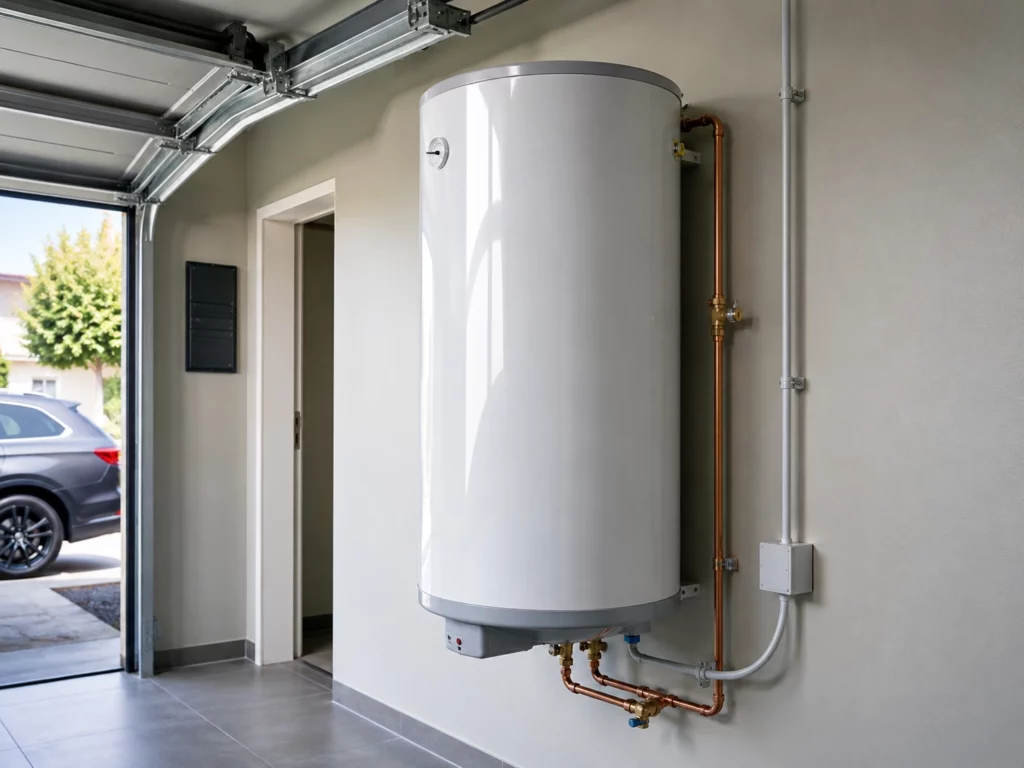
The replacement must fit safely into the available roof space, cupboard or external installation area. The supporting structure must be able to carry the filled weight of the cylinder, which will exceed 150kg once the water, cylinder and fittings are considered. Access is also important because installers need enough working space to connect the valves, pipework, electrical supply and drainage components correctly.
Pressure compatibility must be confirmed before ordering. The new unit and valve arrangement must suit the property’s water pressure and existing system design. Reusing incompatible, worn or incorrectly rated valves can create leaks, pressure problems and unsafe operating conditions.
Can a 150L geyser replace a smaller or larger geyser?
A 150L geyser can sometimes replace a smaller or larger cylinder, but the change should not be treated as a simple like-for-like swap. Increasing capacity changes the filled weight, dimensions, heating time and electrical demand. Reducing capacity may cause the household to run out of hot water during peak periods.
The installer should check roof supports, mounting position, pipe routes, pressure-control equipment, electrical protection, element rating and access before approving a capacity change. A larger cylinder may not fit through the roof opening or between structural members, while a different element rating may require an electrical assessment.
Where the existing installation has been altered over time, professional plumbing installation services can help determine whether the surrounding pipework and safety components also need to be corrected.
When should a geyser be repaired instead of replaced?
A geyser may be repairable when the problem is limited to a replaceable component such as the element, thermostat, valve, gasket or nearby pipe connection. Replacement is normally more practical when the cylinder itself is split, severely corroded or leaking from the tank body.
Water appearing near a geyser does not always mean the cylinder has burst. The leak may come from an expansion valve, temperature and pressure valve, drain cock, flexi connection or pipe fitting. A proper inspection is therefore necessary before a new cylinder is ordered.
Warning signs that require attention include inconsistent hot water, repeated electrical tripping, rusty water, unusual heating noises, damp ceilings, continuously flowing overflow water and visible corrosion. Savvy Plumbing’s guide on what to do when a geyser bursts explains the immediate safety steps homeowners should take when active leaking occurs.
What installation and compliance checks are important?
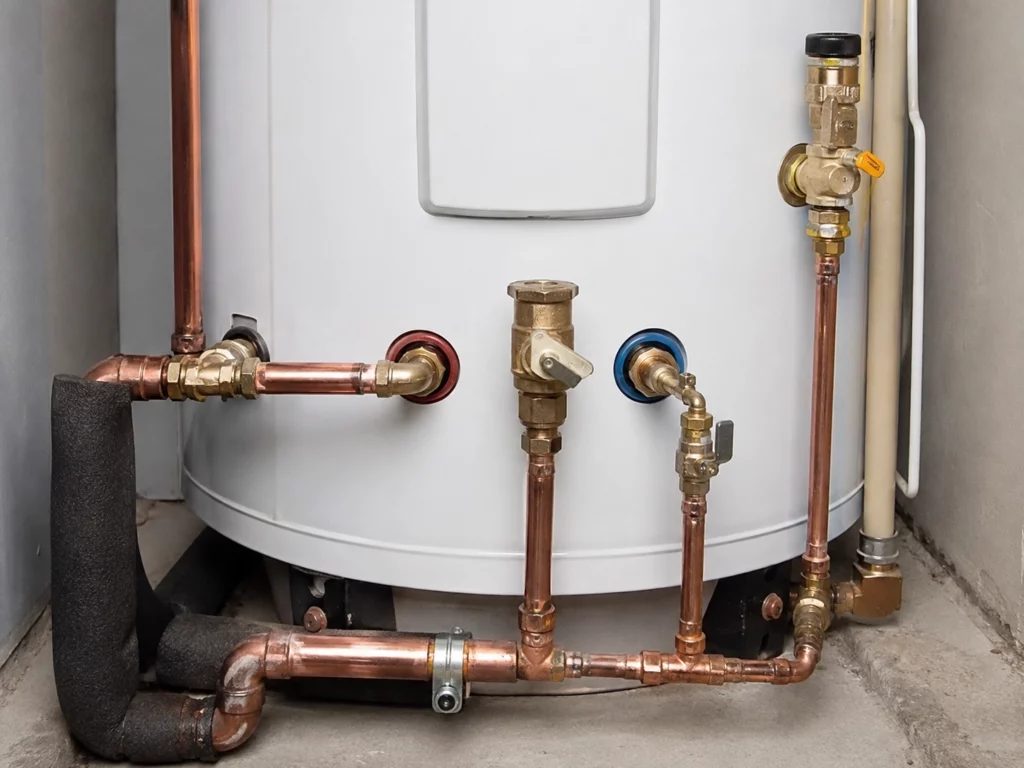
A fixed electric storage water heater should be installed and maintained according to the applicable South African standards, manufacturer instructions and local requirements. The installer should assess the cylinder position, support, pressure-control valve, temperature and pressure safety valve, vacuum breakers, isolating valve, drip tray, overflow routes and electrical connection.
The installation requirements of SANS 10254 remain relevant to electric storage water heaters. However, the certificate requirements for a standard electric geyser have changed over time, and requirements may also be affected by insurers, municipalities, property managers or the type of water-heating system. Homeowners should ask the plumber what documentation applies to the specific installation instead of assuming that every replacement follows exactly the same process.
The valves and overflow pipes are safety components and should never be blocked, capped or redirected informally. A drip tray must also discharge to a visible and suitable location so that a leak can be noticed before extensive ceiling or structural damage occurs.
Should you replace an electric geyser with solar or a heat pump?
Solar water heating or a heat pump may reduce reliance on a conventional electric element, but the best option depends on the property, roof conditions, climate, available space, hot-water demand and project budget. The decision should be based on a site assessment rather than the cylinder capacity alone.
A solar system requires suitable collector positioning, compatible storage, circulation design and protection appropriate to local frost conditions. A heat pump requires adequate airflow, drainage, electrical provision and space for the outdoor or integrated equipment. Both options also have their own installation standards and documentation requirements.
Homeowners considering an upgrade can review Savvy Plumbing’s geyser and plumbing installation options before deciding whether to retain a standard electric system or investigate an alternative water-heating solution.
How do you make the final 150L geyser decision?
The final decision should be based on measured household demand, not only on the capacity of the old cylinder. Confirm how many people use hot water, whether showers overlap, whether baths are filled regularly and whether the existing system currently runs out of hot water. Then check the available installation space, pressure rating, orientation, electrical supply and condition of the surrounding valves and pipework.
A 150l geyser can provide a practical balance between capacity, recovery time and installation size for many South African households, but it must be correctly selected and installed. For assistance with inspection, repair or replacement planning in Johannesburg and surrounding Gauteng areas, contact Savvy Plumbing for geyser installation and repair support or call 087 806 6262.
Frequently asked questions about a 150L geyser
How many people can use a 150L geyser?
A 150L geyser is commonly used in households of approximately three to four people. Actual suitability depends on shower length, bath usage, flow rates and whether several people use hot water at the same time.
How long does a 150L geyser take to heat?
A 150L geyser with a 3kW element takes approximately 2.6 hours to heat a completely cold cylinder from 20°C to 65°C under theoretical conditions. Normal recovery time varies because the starting temperature, element rating and heat losses differ.
Is a 150L geyser enough for two bathrooms?
A 150L geyser may serve two bathrooms when hot-water use is staggered, but it may struggle when two showers or other outlets are used simultaneously. Peak demand should be assessed before choosing the capacity.
What temperature should a 150L geyser be set to?
Eskom advises that a household geyser should generally be set no higher than approximately 60°C. The correct setting should also follow the manufacturer’s instructions and take the household’s requirements into account.
Does replacing a geyser require new valves?
New valves may be required when existing components are worn, incompatible, incorrectly rated or non-compliant. The plumber should inspect the pressure-control and safety components instead of automatically reconnecting every old fitting.