Drain cleaner safety is important for any homeowner dealing with a blocked sink, shower, bath, or drain. Chemical drain cleaners may seem like a quick fix, but they can be dangerous if they are used incorrectly, mixed with other products, splashed onto skin, inhaled, or poured into the wrong type of plumbing system.
Some drain cleaners contain strong corrosive chemicals that can burn skin, damage eyes, irritate the lungs, and weaken plumbing components when used too often. Safer options such as plungers, drain snakes, hot water flushing, and enzymatic cleaners may be better for minor blockages, while serious or recurring clogs should be handled by a professional.
This guide explains what homeowners need to know about drain cleaner safety, including the main types of drain cleaners, common risks, safer alternatives, disposal advice, exposure symptoms, and when it is better to call a plumber for blocked drains.
Why drain cleaner safety matters
Drain cleaner safety matters because these products are often used in bathrooms, kitchens, and laundry areas where people may not fully understand the risks. A clogged drain can be frustrating, but using the wrong product or using too much of it can make the situation worse.
MedlinePlus explains that drain cleaners can contain very dangerous chemicals that may harm your health if swallowed, inhaled, or brought into contact with the skin or eyes. Poison.org also warns that many non-enzymatic drain cleaners contain highly concentrated corrosive chemicals that require great caution. You can read more from MedlinePlus on drain cleaner poisoning and Poison.org’s drain cleaner safety guidance.
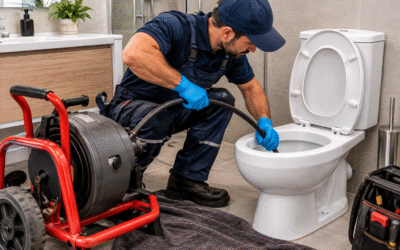
For minor clogs, it is usually better to start with low-risk methods before reaching for a harsh chemical product. For persistent drain issues, professional support through blocked drains services can help resolve the problem without unnecessary damage to the plumbing system.
Common types of drain cleaners
There are several types of drain cleaners, and each one works differently. Understanding the difference can help homeowners choose a safer option for the type of blockage they are dealing with.
| Type of drain cleaner | How it works | Main safety concern |
|---|---|---|
| Chemical drain cleaner | Uses strong chemicals to break down grease, hair, soap scum, and organic buildup. | Can cause burns, fumes, pipe damage, and dangerous reactions if mixed with other products. |
| Enzymatic drain cleaner | Uses enzymes or bacteria to break down organic matter more slowly. | Usually gentler, but slower and not suitable for every blockage. |
| Mechanical drain cleaner | Uses tools such as plungers, drain snakes, or augers to physically clear the blockage. | Can damage fixtures or pipes if forced or used incorrectly. |
| Professional drain cleaning | Uses plumber-grade tools and inspection methods to identify and clear the blockage. | Best for severe, recurring, or deep blockages that household methods cannot solve. |
Chemical drain cleaners may work quickly, but they are not always the safest first option. Enzymatic cleaners and mechanical tools can be safer for routine maintenance, while professional help is usually better when the blockage keeps coming back.
How chemical drain cleaners can be dangerous
Chemical drain cleaners can be dangerous because many products are corrosive. This means they can burn skin, damage eyes, irritate the throat and lungs, and react badly with other chemicals. These risks are higher when the cleaner splashes, is used in a poorly ventilated space, or is mixed with another household product.
Drain cleaner safety is especially important in homes with children, pets, older plumbing, or blocked drains that already contain standing water. If a chemical cleaner sits in the drain and does not clear the blockage, the drain may now contain hazardous liquid that can splash during later attempts to plunge or snake the drain.
Never mix drain cleaners with bleach, ammonia, vinegar, toilet cleaner, or any other household chemical. Mixing products can create toxic fumes, heat, splashing, or violent reactions. Always read the label and use only one product exactly as directed.
Drain cleaner safety precautions before use
Before using any drain cleaner, take time to prepare the area and read the label carefully. Safety instructions differ between products, and you should follow the manufacturer’s directions exactly.
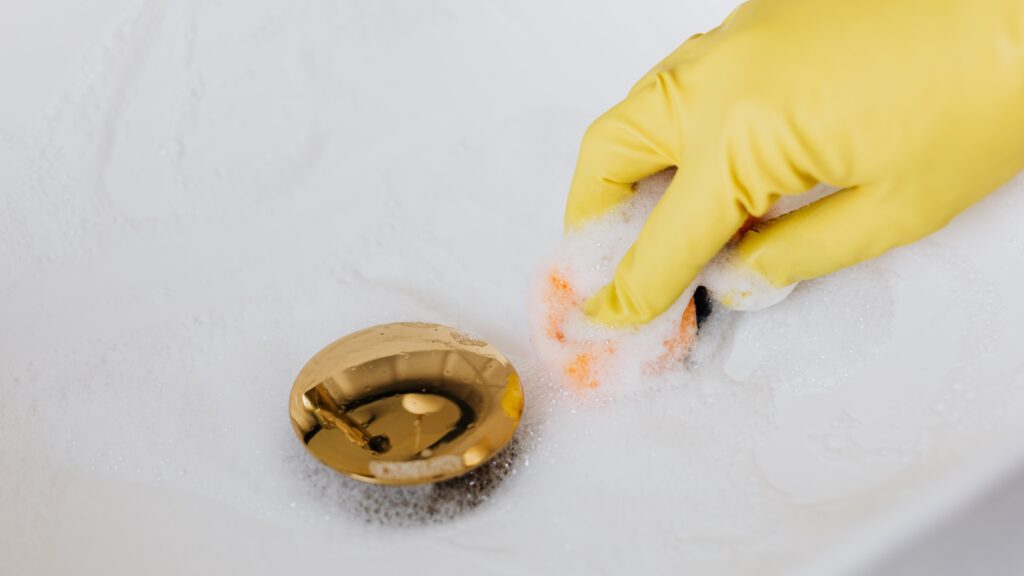
Wear gloves and eye protection, keep your face away from the drain, open windows or doors for ventilation, and keep children and pets away from the area. Do not use chemical drain cleaner in a toilet unless the label clearly says it is safe for toilets, and do not use it in a drain that has already been treated with another chemical.
| Safety step | Why it matters |
|---|---|
| Read the product label | Different products have different instructions, waiting times, and warnings. |
| Wear gloves and eye protection | Helps protect against splashes, burns, and irritation. |
| Ventilate the area | Reduces exposure to fumes, especially in bathrooms and small kitchens. |
| Keep children and pets away | Prevents accidental contact, spills, or ingestion. |
| Never mix chemicals | Mixing products can create toxic fumes or violent reactions. |
| Use the correct amount | Using more than instructed does not make the product safer or more effective. |
| Avoid plunging after chemicals | Plunging can splash hazardous liquid back out of the drain. |
| Call a plumber for severe clogs | Recurring or deep blockages may need professional equipment and inspection. |
Safer alternatives to chemical drain cleaners
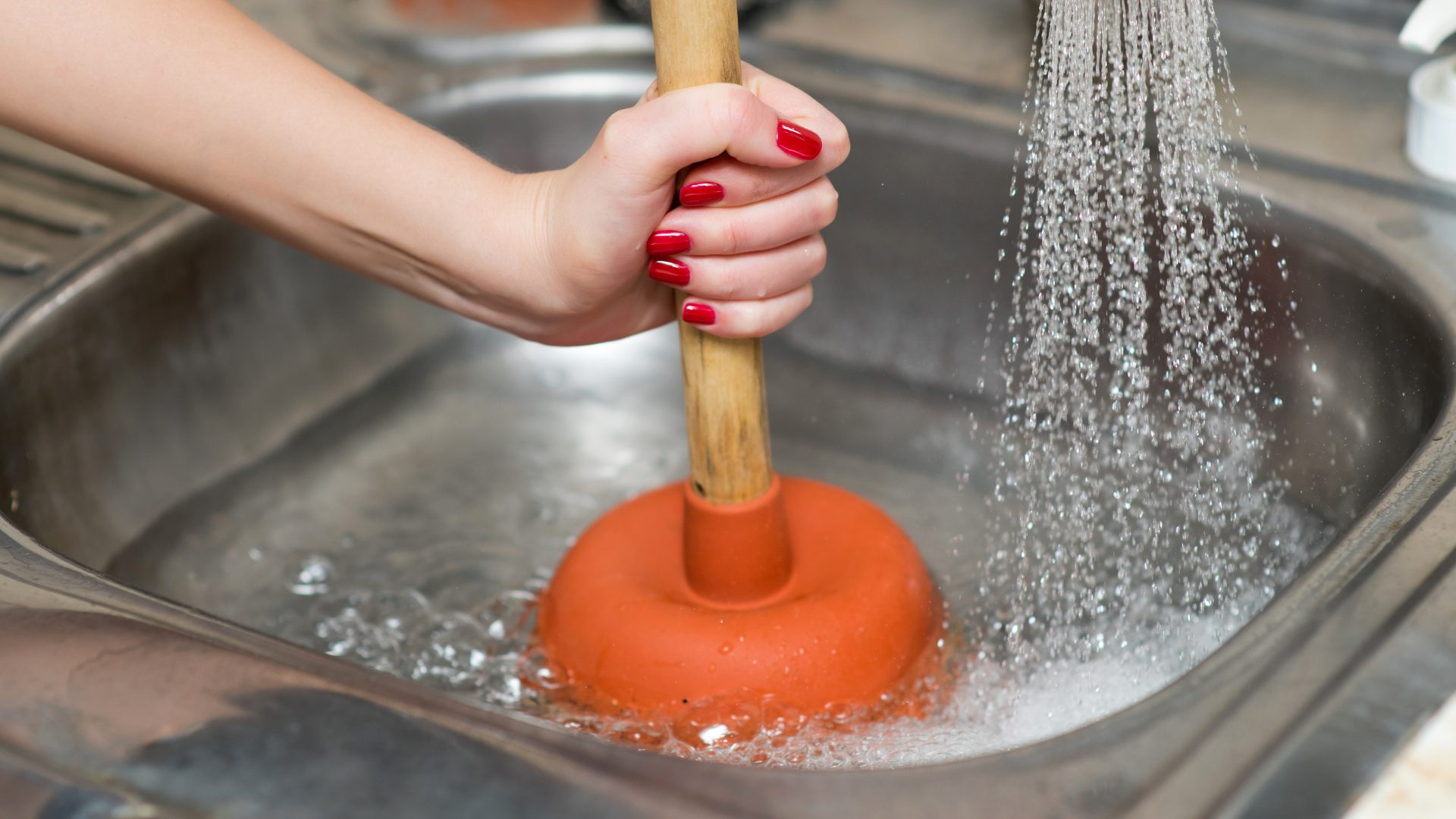
There are safer alternatives to chemical drain cleaners, especially for minor clogs and routine drain care. A plunger is often the first tool to try because it uses pressure instead of chemicals. A drain snake can also help remove hair, soap buildup, and small obstructions from sinks, showers, and baths.
Enzymatic drain cleaners may be useful for maintenance because they work more slowly and are generally gentler than harsh chemical cleaners. Hot water flushing can also help with light grease or soap buildup, but boiling water should be used carefully because it may damage some pipe materials or fittings.
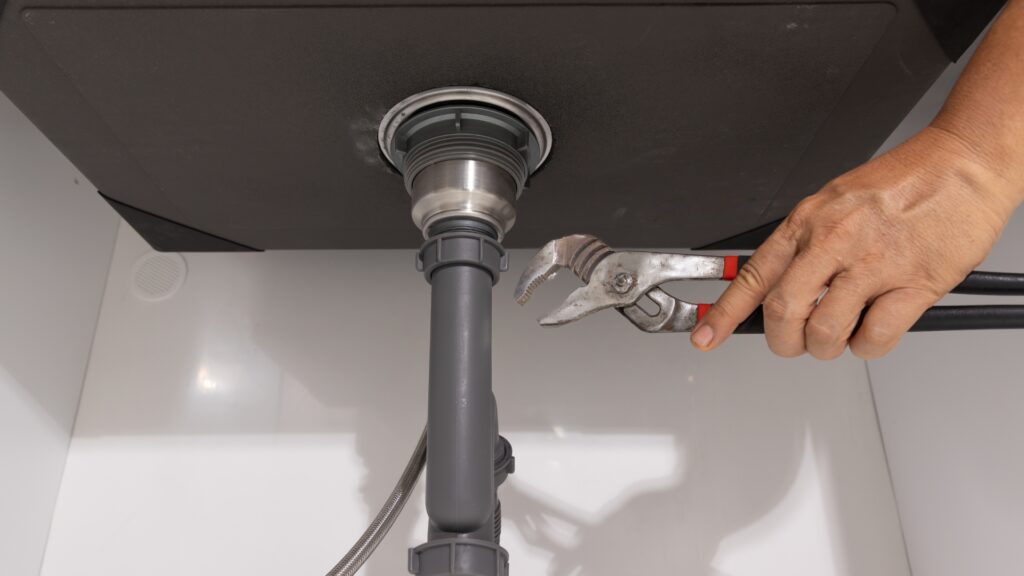
For homeowners building a basic toolkit for safer drain care, our guide on plumbing tools explains useful items such as plungers, drain snakes, pipe wrenches, and other basic maintenance tools.
Can drain cleaners damage pipes?
Yes, chemical drain cleaners can damage pipes when they are used too often, left in the drain too long, or used in older plumbing systems. Corrosive products can weaken pipe materials, seals, joints, and fittings over time.
The risk can be higher if the drain is completely blocked and the chemical cannot move through the pipe. In that case, the product may sit in one section of the plumbing system, increasing the chance of damage and making later repair work more hazardous.
If you have repeated blockages, slow drains, bad smells, or water backing up, do not keep using stronger drain cleaners. A recurring blockage usually needs proper inspection. Professional plumbing maintenance services can help identify the cause before it leads to pipe damage or a larger repair.
How to dispose of unused drain cleaner safely
Unused drain cleaner should be handled carefully because many products may be considered hazardous household waste. Do not pour leftover drain cleaner down the drain unless the product label specifically instructs you to do so. Do not pour it onto the ground, into stormwater drains, or into outdoor areas.
The EPA recommends that household hazardous waste is generally handled through local household hazardous waste programs rather than regular disposal. Homeowners should check local municipal guidance, hazardous waste drop-off options, or the product label for specific disposal instructions. You can read more from the EPA’s household hazardous waste disposal guidance.
Keep drain cleaner in its original container with the label intact until it can be disposed of safely. Never transfer it into a drink bottle, food container, or unmarked container.
What to do if drain cleaner spills
If drain cleaner spills, keep people and pets away from the area immediately. Open windows or doors if it is safe to do so, avoid breathing fumes, and do not touch the chemical with bare skin. Wear protective gloves and eye protection before attempting any cleanup.
Follow the product label for spill instructions. Do not mix the spill with other cleaners or chemicals. If the spill is large, involves strong fumes, causes burns, or you are unsure what to do, contact emergency services or a poison information service for advice.
In South Africa, AfriTox lists the Western Cape Poisons Information Helpline for poison emergencies at +27 861 555 777. Keep emergency numbers available, especially if you store chemical cleaners at home.
Signs of drain cleaner exposure
Drain cleaner exposure can happen through swallowing, inhaling fumes, splashing into the eyes, or contact with skin. Symptoms can vary depending on the product and the amount of exposure.
Possible signs of exposure include coughing, throat irritation, difficulty breathing, burning skin, redness, eye pain, blurred vision, nausea, vomiting, or burns around the mouth if swallowed. MedlinePlus warns that drain cleaners can be harmful if swallowed, breathed in, or brought into contact with skin or eyes.
If exposure occurs, follow the product label and seek urgent medical or poison control advice. Do not wait for symptoms to become severe. For eye or skin exposure, many first-aid instructions recommend flushing with water, but professional guidance should still be sought immediately for chemical exposure.
When should you call a plumber for a blocked drain?
You should call a plumber if the blockage is severe, keeps returning, affects more than one drain, causes bad smells, brings water back up, or does not clear with safer methods such as a plunger or basic drain snake.
A professional plumber can inspect the drain, identify the cause, and use the correct method to clear it without unnecessary chemical exposure or pipe damage. This is especially important when the blockage may be deeper in the drainage system or connected to damaged pipework.
For recurring or serious drainage problems in Gauteng, professional help with blocked drains can be a safer and more effective option than repeated chemical cleaner use.
How to plan safer drain maintenance
Safe drain maintenance starts with prevention. Avoid pouring grease, oil, coffee grounds, food scraps, and harsh chemicals down the drain. Use drain screens where possible to catch hair and debris before they enter the plumbing system.
It also helps to clean drains regularly with safer methods and pay attention to early warning signs such as slow drainage, gurgling sounds, bad smells, or water backing up. These signs can point to a developing blockage that should be addressed before it becomes more serious.
If you are renovating or upgrading parts of your plumbing system, professional plumbing installations can help ensure drains, fixtures, and pipework are fitted correctly from the start.
Final thoughts on drain cleaner safety
Drain cleaner safety should never be ignored. Chemical drain cleaners may help in some situations, but they can also create health risks, pipe damage, toxic fumes, and hazardous spills when used incorrectly.
For minor blockages, start with safer methods such as plungers, drain snakes, and gentler maintenance options. For severe, recurring, or deep blockages, professional plumbing support is usually the safer choice. The best approach is to protect both your plumbing system and the people in your home.
Frequently asked questions about drain cleaner safety
Are chemical drain cleaners safe to use?
Chemical drain cleaners can be risky because many contain corrosive ingredients. They should only be used according to the product label, with proper ventilation, gloves, eye protection, and no mixing with other chemicals.
What is the safest way to clear a blocked drain?
For minor clogs, safer first steps include using a plunger, drain snake, or gentle maintenance method. For severe or recurring blockages, it is safer to call a professional plumber.
Can drain cleaner damage PVC pipes?
Some chemical drain cleaners can damage pipes, seals, or joints if used too often, used incorrectly, or left sitting in a blocked drain. Always check the product label and avoid repeated use on recurring blockages.
What should I do if drain cleaner touches my skin or eyes?
Follow the product label immediately and seek urgent medical or poison control advice. For many chemical exposures, flushing the affected area with water is recommended, but professional guidance should be sought as soon as possible.
Can I pour unused drain cleaner down the drain?
Do not pour unused drain cleaner down the drain unless the product label specifically instructs you to do so. Check local hazardous waste disposal guidance or municipal drop-off options.
When should I stop using drain cleaner and call a plumber?
Call a plumber if the blockage keeps returning, affects multiple drains, causes bad smells, brings water back up, or does not clear with safer basic methods.