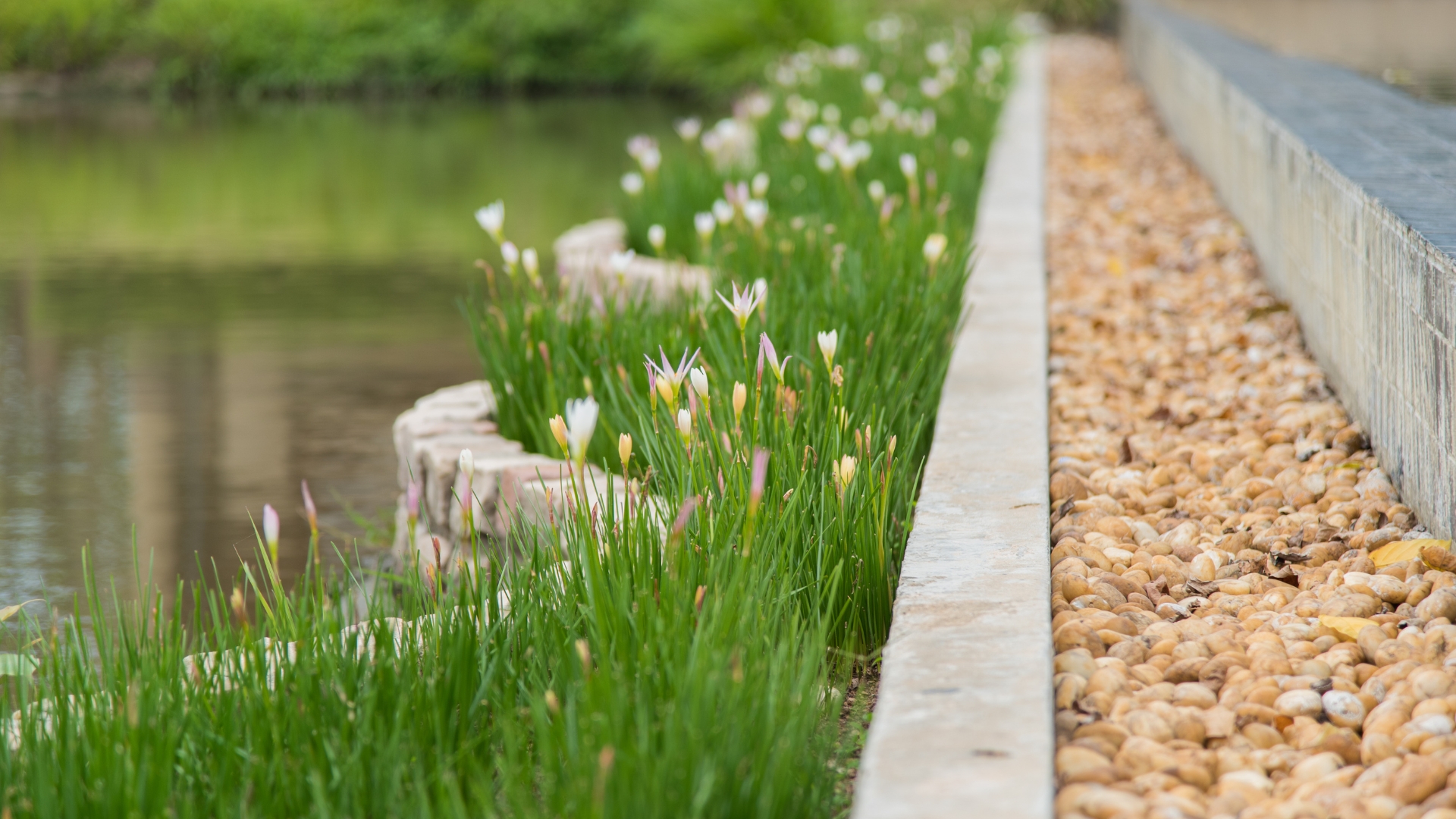
Excessive water accumulation can cause serious problems around a property, from waterlogged gardens and damaged landscaping to damp walls, soil erosion and flooded basements. One effective way to manage these issues is by installing a french drain. This drainage system is designed to redirect water away from your home, helping to protect your foundation, outdoor areas and overall property condition.
A french drain can be especially helpful when water collects in low-lying areas, flows toward the house, or remains trapped after heavy rain. By giving water a controlled route to follow, it helps reduce pooling and supports better long-term drainage performance.
What Is a French Drain and How Does It Work?
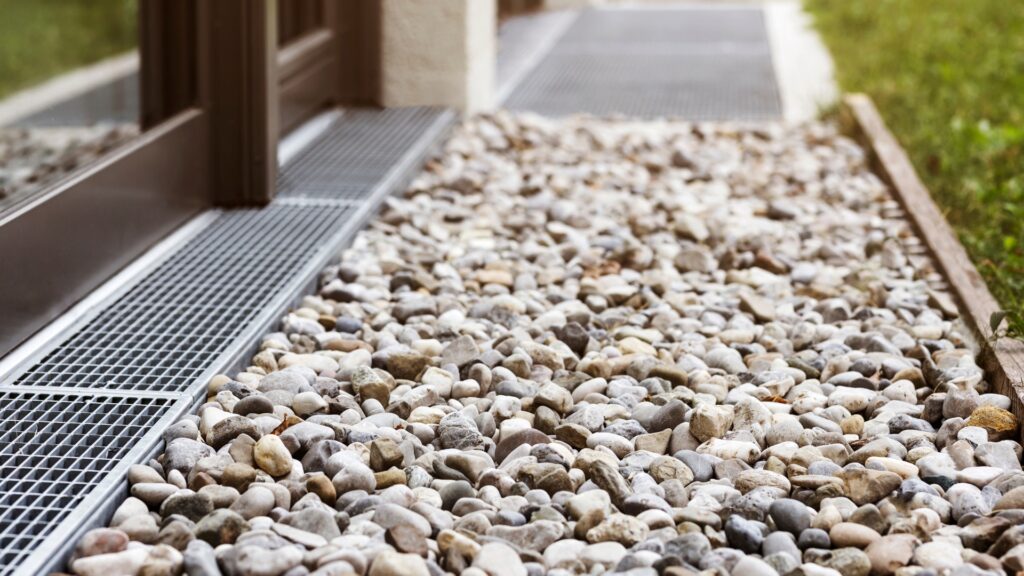
A french drain is a trench filled with gravel or stone that usually contains a perforated pipe. The system is designed to collect surface water or shallow groundwater and move it away from a problem area. Water enters the gravel-filled trench, flows into the perforated pipe and is then directed toward a suitable discharge point.
This setup is useful in areas where water tends to pool after rain. Instead of allowing water to remain against walls, foundations or garden beds, the french drain creates a path of least resistance so water can move away more efficiently. You can also read more about the basic concept of a French drain on Wikipedia.
When Should You Consider Installing a French Drain?
You should consider installing a french drain if you notice persistent drainage problems around your property. Common signs include water pooling in the yard, soggy lawn areas, damp patches near the house, basement water problems or erosion around the foundation.
A french drain may also be useful if your landscape slopes toward your home instead of away from it. When water naturally moves toward the building, it can increase the risk of dampness and long-term structural concerns. In these cases, proper drainage planning can help redirect water before it causes damage.
If drainage problems are connected to blocked outlets or slow-moving drains, professional help with blocked drains in Gauteng may also be needed before a full drainage solution is planned.
How Do You Install a French Drain?
Installing a french drain starts with identifying where water is collecting and deciding where it should be redirected. The route of the drain must be carefully planned so that water flows away from the property, not back toward the home or into another problem area.
The installation usually involves digging a trench, adding a layer of gravel, placing a perforated pipe, covering the pipe with more gravel and then finishing the surface. The trench must be installed at the correct slope to allow water to move naturally. If the slope is incorrect, the system may not drain effectively.
Because drainage work often involves levels, water flow and existing plumbing infrastructure, it is best to get professional support. Savvy Plumbing can assist with reliable plumbing installations where drainage planning forms part of a wider home or property improvement project.
What Are the Benefits of Using a French Drain?
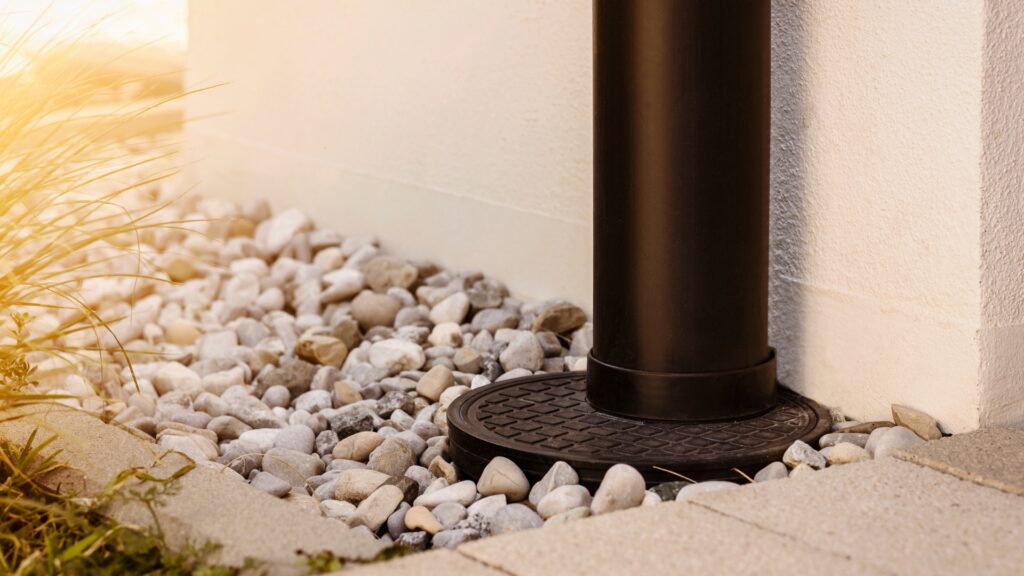
A french drain offers several practical benefits for homeowners dealing with excess water. The main advantage is that it helps redirect water away from areas where it could cause damage. This can reduce the risk of basement flooding, foundation dampness, soil erosion and waterlogged garden areas.
French drains are also relatively low maintenance when they are installed correctly. With the right materials and proper placement, they can provide long-term drainage support and help maintain the condition of your landscape and property.
| Drainage Issue | How a French Drain Helps | Why It Matters |
|---|---|---|
| Water pooling in the garden | Collects and redirects excess surface water | Helps prevent soggy, unusable outdoor spaces |
| Damp soil near foundations | Moves water away from the base of the home | Can reduce moisture pressure around walls |
| Basement water problems | Helps control water movement around the property | May reduce the risk of water entering lower areas |
| Soil erosion | Creates a controlled path for water flow | Helps protect garden beds, paving and landscaping |
| Water behind retaining walls | Relieves trapped groundwater pressure | Can support the long-term stability of retaining structures |
Are There Any Drawbacks to Installing a French Drain?
Although french drains are effective, they do have some drawbacks. Installation can be labour-intensive, especially if the trench needs to run across a large section of the property. The work may also require careful planning around paving, landscaping, walls or underground services.
If a french drain is not installed correctly, it may clog, drain slowly or redirect water to the wrong place. This is why the system should be designed with the correct slope, pipe type, gravel and outlet point. Regular checks may also be needed to make sure debris, roots or silt are not affecting water flow.
Can a French Drain Handle All Types of Water Problems?
A french drain is useful for managing surface water and shallow groundwater, but it is not the right solution for every drainage issue. For example, if the water problem is caused by a leaking pipe, burst geyser, blocked drain or serious flooding, the cause must be addressed directly.
In some cases, additional drainage solutions may be needed. These can include surface channels, grading adjustments, sump pumps or repairs to existing plumbing. A professional inspection can help determine whether a french drain is enough or whether another solution is required.
If water damage is linked to geyser failure or an internal plumbing problem, Savvy Plumbing also assists with burst geyser repairs to help prevent further damage inside the home.
How Does a French Drain Compare to Other Drainage Solutions?
Compared to some surface drainage systems, a french drain can be less visible once completed because it is installed below the ground. This makes it a good option for homeowners who want a practical drainage solution without changing the appearance of the garden too much.
Surface drains may be better for collecting water from paving or driveways, while dry wells may be suitable where water needs to soak into the ground. A french drain is often chosen when water needs to be collected underground and carried away from a specific problem area.
How Long Does a French Drain Last?
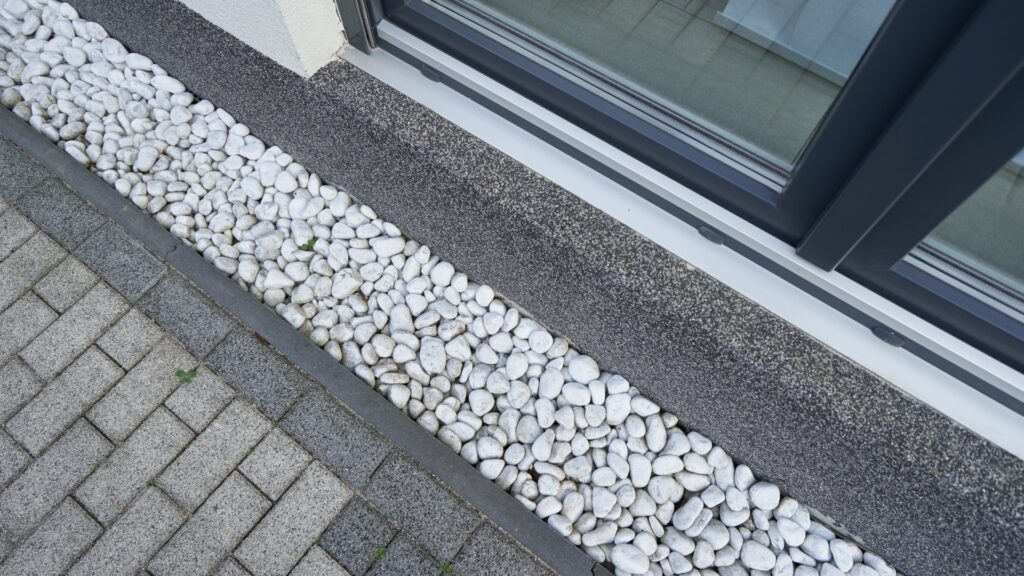
The lifespan of a french drain depends on the quality of the installation, the materials used and the conditions around the property. A well-installed system can last for many years, especially when it is protected from excessive silt, debris and root intrusion.
Regular maintenance can help extend the life of the drain. If water starts pooling again, or if the system seems to be draining more slowly, it may need to be inspected and cleared. Good installation and occasional checks are important for long-term performance.
Can You Finance the Installation of a French Drain?
Yes, some homeowners may be able to finance drainage and plumbing improvements instead of paying the full cost upfront. This can be helpful when a drainage problem needs attention but forms part of a larger renovation or property maintenance project.
Savvy Plumbing offers options to finance your renovations, which can help homeowners plan essential plumbing and drainage work more comfortably.
What Should You Consider Before Installing a French Drain?
Before installing a french drain, it is important to understand where the water is coming from, where it is collecting and where it should safely go. The slope of the land, soil type, existing plumbing, nearby structures and drainage outlets all need to be considered.
You should also think about long-term maintenance. A french drain is designed to manage water, but it still needs to remain clear and functional. Choosing quality materials and using professional installation can help prevent problems later.
If you are unsure whether a french drain is the right solution, professional plumbing maintenance services can help assess the issue and recommend the most suitable next step.
A French Drain Can Help Protect Your Property from Water Damage
A french drain can be a practical and long-lasting solution for managing excess water around your home. By redirecting water away from problem areas, it helps protect your foundation, garden, basement and outdoor spaces from avoidable water damage.
The key to success is proper planning and professional installation. When the system is designed around your property’s specific drainage needs, a french drain can make your outdoor areas more usable and help protect the long-term condition of your home.