Searching for a plumber near me usually means you need help quickly, whether you are dealing with a leak, blocked drain, burst pipe, faulty geyser, or general plumbing issue. Knowing what to expect from professional plumbing services can help you choose the right plumber and avoid confusion before the work begins.
A professional plumber should be able to assess the problem, explain the cause, recommend a practical solution, and complete the work safely. The best plumbing service is not just about arriving with tools. It is about clear communication, proper diagnosis, safe workmanship, and long-term reliability.
This guide explains what to expect when hiring a plumber near me, including qualifications, inspections, emergency response, service costs, safety checks, and what homeowners should ask before approving any plumbing work.
What should you expect from a plumber near me?
When hiring a plumber near me, you should expect a professional service that starts with understanding the issue properly. A plumber may ask questions about the problem, when it started, whether it is getting worse, and whether there are signs of water damage, pressure loss, blocked drains, or unusual noises.
Once on site, the plumber should inspect the affected area, identify the likely cause, and explain the repair options. For smaller problems, repairs may be completed during the same visit. For larger issues, the plumber may need to provide a detailed quote or recommend further investigation.
If the issue involves a geyser leak, burst geyser, or hot water failure, it is safer to use professional help rather than attempting the repair yourself. Homeowners dealing with hot water emergencies can read more about burst geyser repairs.
What qualifications should a professional plumber have?
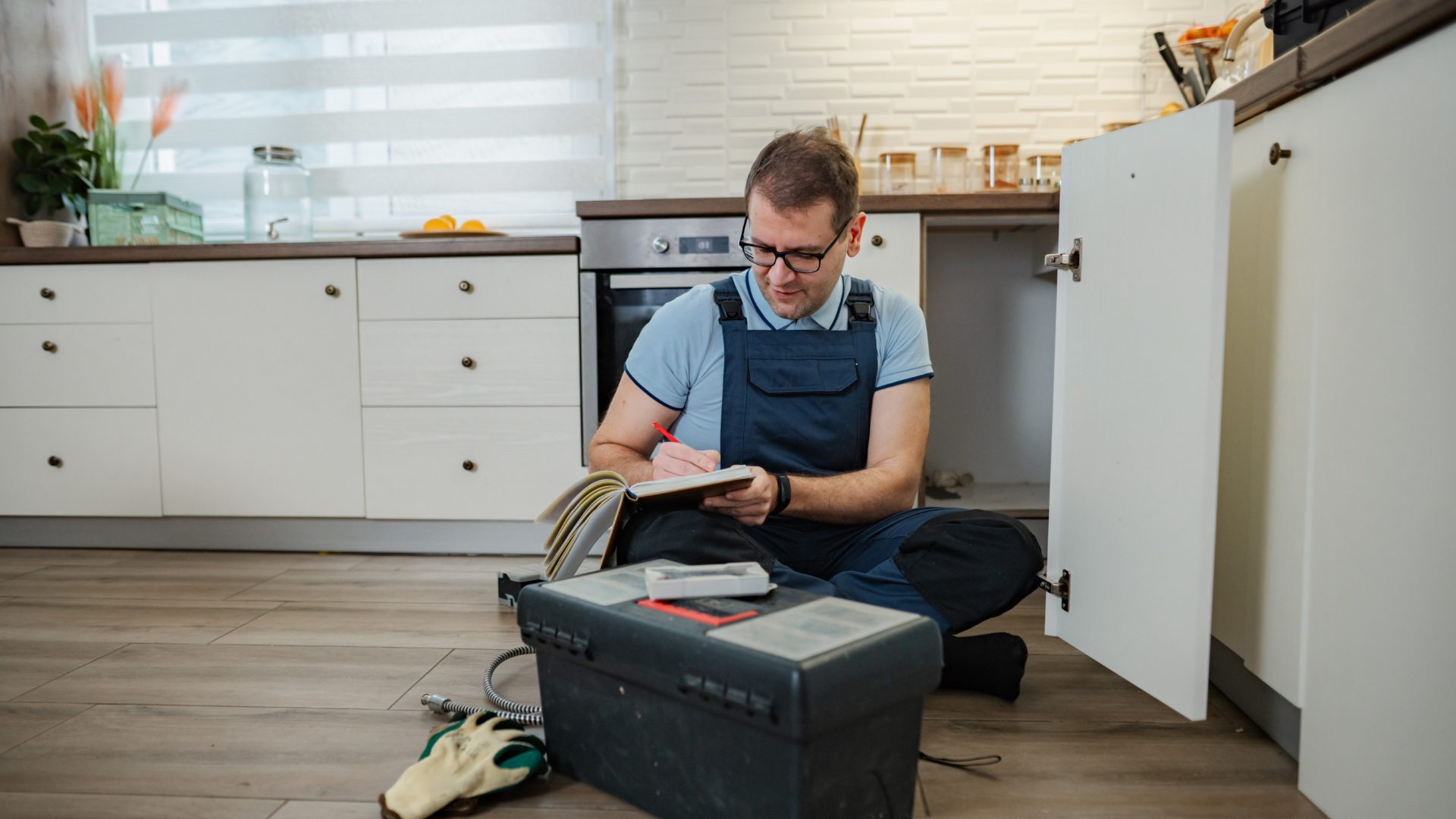
A professional plumber should have the correct training, practical experience, and knowledge of plumbing systems. In South Africa, homeowners can also check whether a plumber is registered with relevant industry bodies such as the Plumbing Industry Registration Board, which promotes accountability and professionalism in the plumbing industry.
For certain types of plumbing work, documentation may also matter. PIRB explains that a Plumbing Certificate of Compliance is a self-certification and declaration by a licensed plumber that the work undertaken was completed to the required professional standard. You can learn more from the PIRB Certificate of Compliance guidance.
Before choosing a plumber, it is reasonable to ask about experience, registration, insurance, workmanship guarantees, and whether the plumber can provide documentation where required.
How do plumbers diagnose plumbing problems?
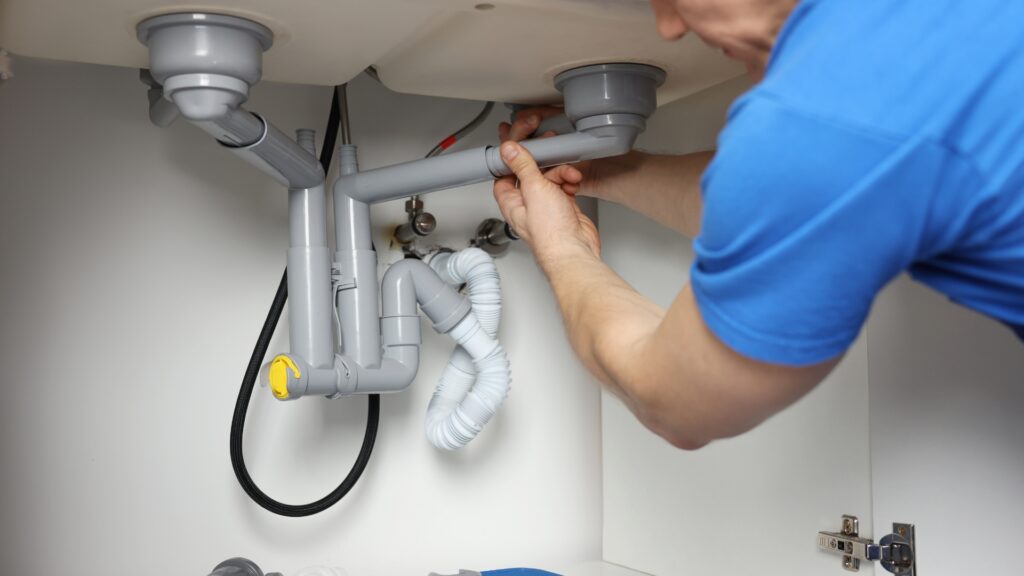
Professional plumbers diagnose plumbing problems by combining experience with practical inspection methods. They may check visible fittings, water pressure, drainage flow, pipe condition, valves, taps, toilets, geysers, and signs of hidden leaks.
For harder-to-find problems, plumbers may use tools such as pressure testing equipment, moisture detection tools, drain inspection cameras, or leak detection methods. This helps locate the source of the issue instead of only treating the visible symptom.
Accurate diagnosis is important because two plumbing problems can look similar but have very different causes. A blocked basin may be a local drain issue, while recurring blockages may point to a deeper drainage problem. A leaking ceiling may come from a pipe, geyser, roof issue, or overflow line, so proper inspection matters.
Common services offered by a plumber near me
A plumber near me may offer a wide range of services, depending on the company, location, and level of experience. Some plumbers focus on repairs and maintenance, while others also handle installations, renovations, geysers, water filtration, and emergency plumbing.
| Plumbing service | What it usually includes | When you may need it |
|---|---|---|
| Leak detection | Finding visible or hidden water leaks in pipes, fittings, walls, or ceilings. | Water stains, damp areas, high water bills, or unexplained moisture. |
| Drain cleaning | Clearing blockages in sinks, showers, baths, toilets, or external drains. | Slow drainage, bad smells, gurgling drains, or repeated clogs. |
| Geyser repairs | Inspecting leaks, faulty valves, no hot water, or burst geyser issues. | No hot water, leaking geyser, dripping overflow, or water damage. |
| Pipe repairs | Repairing or replacing damaged, leaking, or corroded pipes. | Burst pipes, water pressure loss, leaks, or visible pipe damage. |
| Toilet repairs | Fixing running toilets, blockages, leaks, flushing problems, or faulty parts. | Overflowing toilet, weak flush, constant running water, or leaks. |
| Tap and mixer repairs | Repairing or replacing leaking taps, mixers, washers, cartridges, or fittings. | Dripping taps, stiff handles, poor flow, or damaged fittings. |
| Plumbing maintenance | Routine checks to prevent plumbing issues and spot early warning signs. | Older homes, recurring issues, rental properties, or preventative care. |
For preventative care and ongoing checks, homeowners can explore plumbing maintenance services to reduce the chance of small problems becoming expensive repairs.
How do professional plumbers work safely?
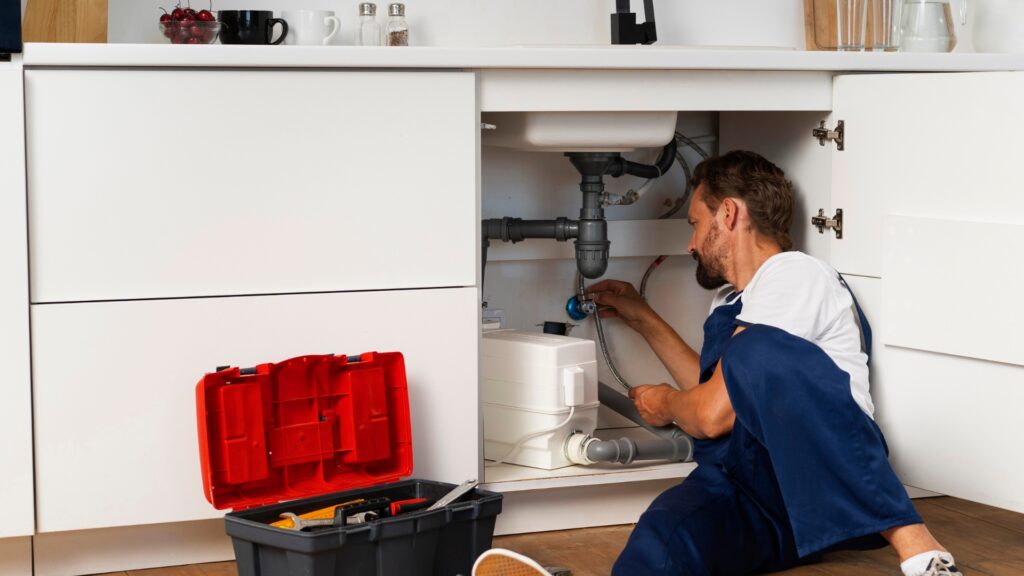
Professional plumbers work safely by assessing the site before starting the repair. They should check water shut-off points, affected pipework, electrical risks, pressure issues, slippery surfaces, and any areas where water damage may already be present.
Safety is especially important when plumbing work involves geysers, hot water systems, pressurised lines, ceiling spaces, confined areas, or electrical connections. A plumber should avoid shortcuts and should explain if there are any risks or non-compliant conditions that need attention.
Where a Certificate of Compliance is required, using a properly licensed plumber matters. PIRB states that a CoC must be issued on plumbing work undertaken by a licensed plumber, subject to the requirements for issuing a PIRB CoC, including geysers, solar water installations, and heat pumps.
How can I check the reputation of a plumber near me?
Before hiring a plumber near me, check whether the company has real reviews, clear contact details, service information, and a professional online presence. Reviews can help you understand how the plumber handles communication, punctuality, workmanship, and after-service support.
It is also useful to ask whether the plumber has experience with your specific issue. A simple blocked basin is different from a burst geyser, hidden leak, or repeated drain blockage. The more specific the problem, the more important experience becomes.
Do not choose only based on the cheapest price. A low quote can become expensive if the problem is misdiagnosed, repaired poorly, or not resolved properly the first time.
What affects the cost of plumbing services?
The cost of plumbing services depends on the type of issue, the time required, the parts needed, the complexity of the repair, and whether the job is urgent. A small tap repair will usually cost less than finding a hidden leak, replacing pipework, or repairing a burst geyser.
Professional plumbers should explain the expected cost before major work begins. In some cases, a plumber can give a fixed quote. In other cases, especially with hidden leaks or complex faults, the first step may be an inspection or diagnosis before a full repair quote can be confirmed.
| Cost factor | Why it matters |
|---|---|
| Type of problem | Simple repairs usually cost less than complex leaks, burst pipes, or geyser issues. |
| Parts and materials | Replacement valves, fittings, pipes, taps, or geyser parts can affect the final cost. |
| Access to the problem | Repairs inside walls, ceilings, cupboards, or underground areas may take longer. |
| Emergency callout | After-hours or urgent work may cost more than scheduled maintenance. |
| Diagnosis required | Hidden leaks or recurring blockages may need inspection before a repair is confirmed. |
| Compliance needs | Some work may require documentation, corrective work, or compliance-related checks. |
How long do plumbing repairs usually take?
The time needed for plumbing repairs depends on the problem. Minor repairs such as fixing a dripping tap, replacing a washer, or clearing a simple blockage may be completed quickly. More complex work, such as tracing a hidden leak, replacing damaged pipework, or repairing a geyser fault, may take longer.
A professional plumber should give you a realistic timeline after inspecting the issue. If the repair depends on replacement parts, access limitations, or further testing, the plumber should explain this before continuing.
Clear communication matters. Homeowners should know what work is being done, whether water needs to be turned off, and whether the repair is temporary or permanent.
How do plumbers handle emergency plumbing problems?
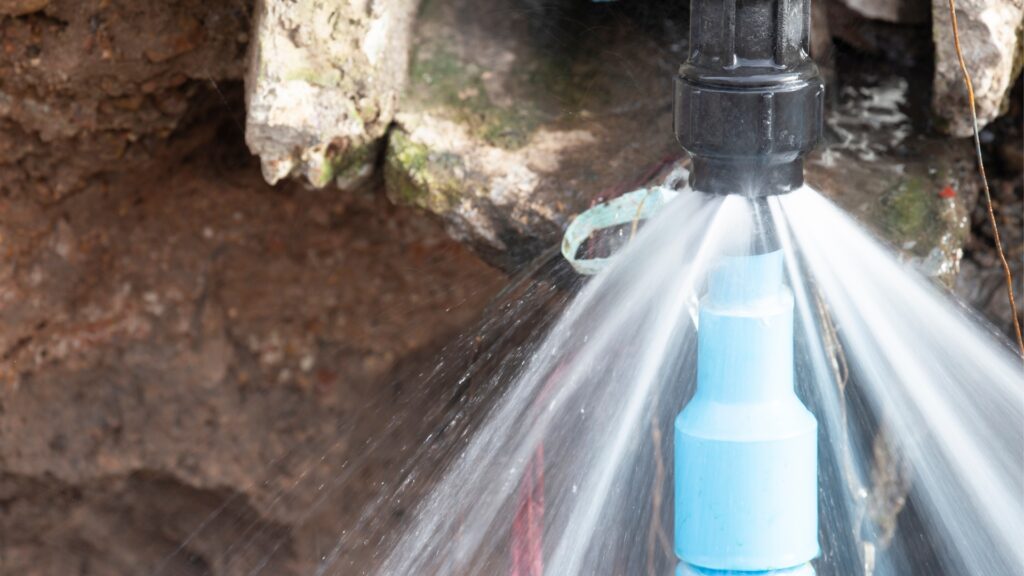
Emergency plumbing problems require fast action to reduce damage. A plumber near me may prioritise urgent issues such as burst pipes, severe leaks, overflowing toilets, geyser leaks, flooding, or plumbing problems that affect safety.
When a plumber arrives, the first step is usually to control the situation. This may include shutting off the water supply, isolating the affected area, reducing pressure, protecting the property from further damage, and then carrying out the repair where possible.
If the issue is linked to a geyser, do not ignore it. Leaking or burst geysers can cause ceiling damage, electrical risks, and ongoing water loss. A professional plumber can assess whether the geyser can be repaired or whether replacement is needed.
How can homeowners prevent frequent plumbing issues?
Homeowners can prevent frequent plumbing issues by paying attention to early warning signs. Slow drains, damp smells, dripping taps, low water pressure, water stains, and unusually high water bills should not be ignored.
Simple habits can also help. Avoid pouring grease down drains, use drain screens where possible, do not flush non-flushable items, check under sinks for moisture, and inspect taps, toilets, and visible pipes regularly.
For homes with older plumbing systems, regular maintenance can reduce the risk of repeat problems. Preventative checks are especially useful before rainy seasons, holidays, property sales, renovations, or when moving into a new home.
Checklist before hiring a plumber near me
Before choosing a plumber near me, use a simple checklist to make sure you are hiring someone suitable for the job. This is especially important if the repair involves a geyser, hidden leak, major blockage, insurance claim, or compliance-related work.
| What to check | Why it matters |
|---|---|
| Experience | Confirms the plumber has handled similar problems before. |
| Registration or licensing | Important for professional accountability and compliance-related work. |
| Insurance | Protects both the homeowner and plumber if something goes wrong. |
| Clear quote | Helps avoid confusion around pricing, parts, and labour. |
| Scope of work | Confirms exactly what will be repaired, replaced, or inspected. |
| Timeline | Helps you plan around water shut-offs, access, or longer repairs. |
| Warranty or guarantee | Gives clarity on workmanship support after the job is complete. |
| Documentation | Useful for insurance, compliance, warranty, or property records. |
Final thoughts on choosing a plumber near me
Searching for a plumber near me should lead to more than the closest available option. The right plumber should communicate clearly, diagnose the problem properly, explain the repair options, work safely, and provide reliable service.
For small issues, a quick repair may be enough. For larger problems such as burst pipes, geyser faults, hidden leaks, or repeated blockages, professional experience matters. Choosing the right plumber can help protect your home, reduce future problems, and give you confidence that the work was handled correctly.
Frequently asked questions about hiring a plumber near me
What should I expect when hiring a plumber near me?
You should expect the plumber to assess the issue, explain the likely cause, recommend repair options, provide pricing where possible, and complete the work safely and professionally.
How do I know if a plumber is qualified?
You can ask about training, experience, registration, insurance, references, and whether the plumber can provide documentation or compliance certificates where required.
What services does a plumber usually offer?
Plumbers commonly offer leak detection, drain cleaning, pipe repairs, tap repairs, toilet repairs, geyser repairs, maintenance, and emergency plumbing services.
How much does a plumber near me cost?
The cost depends on the type of repair, parts needed, time required, access to the problem, and whether the job is urgent. Always ask for a clear quote or cost explanation before major work begins.
When should I call an emergency plumber?
You should call an emergency plumber for burst pipes, severe leaks, overflowing toilets, geyser leaks, flooding, sewage smells, or plumbing problems that may cause property damage or safety risks.
Can regular maintenance prevent plumbing problems?
Regular maintenance can help identify leaks, weak fittings, blocked drains, pressure issues, and early warning signs before they become more serious plumbing problems.