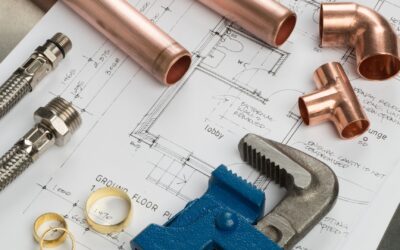
Plumbing maintenance helps homeowners prevent leaks, blocked drains, geyser faults, water damage and expensive repairs before small problems become serious emergencies. A home’s plumbing system works quietly every day, moving clean water in, carrying wastewater out and supporting essential areas such as kitchens, bathrooms, laundry spaces, outdoor taps and geysers. Because many pipes and fittings are hidden behind walls, under floors or inside ceilings, plumbing problems are often only noticed once damage has already started. Regular checks, good habits and professional inspections can help protect the property, improve system performance and give homeowners more control over long-term repair costs.
Why is plumbing maintenance important for every home?
Plumbing maintenance is important because water damage can spread quickly and become costly when early warning signs are ignored. A small leak under a basin, a dripping geyser overflow, a slow drain or a loose toilet fitting may seem minor at first, but these issues can lead to damp cupboards, damaged ceilings, mould, wasted water, unpleasant smells and structural problems over time. Regular maintenance helps homeowners identify problems early, before they affect flooring, walls, electrical points or fixtures. It also supports better water efficiency, safer geyser performance and more reliable drainage. For homeowners who want practical support, professional plumbing maintenance services can help with inspections, repairs and preventative care.
What should homeowners check during routine plumbing maintenance?
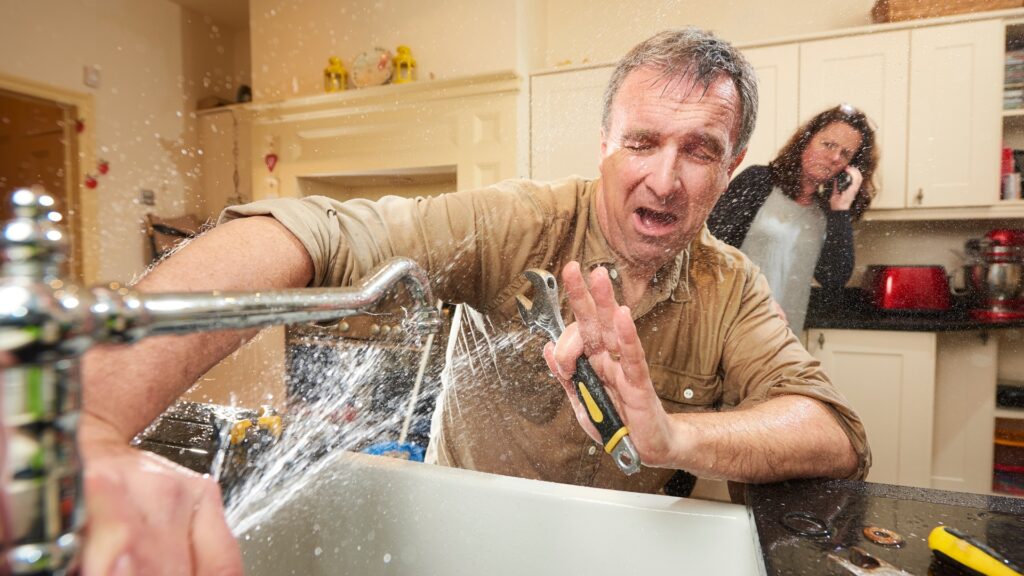
Homeowners should check visible plumbing areas regularly, especially under sinks, around toilets, near geysers, around outdoor taps and in any area where water is used often. Look for damp marks, rust, dripping water, swollen cupboards, water stains, loose fittings, unusual smells or changes in water pressure. In bathrooms, check around basins, showers, baths and toilets for leaks or slow drainage. In kitchens, inspect the sink trap, dishwasher connection, washing machine connection and any visible pipes. Outside, check garden taps, exposed pipes, drains and stormwater areas. Plumbing maintenance does not mean homeowners must repair everything themselves; it means knowing what to look for and calling a plumber before the issue becomes larger.
| Area to Check | Warning Signs | Why It Matters |
|---|---|---|
| Under sinks | Damp cupboards, dripping traps, bad smells | Small leaks can damage cabinetry and flooring |
| Toilets | Running water, loose base, leaking cistern | Can waste water and cause hidden floor damage |
| Geyser area | Overflow dripping, ceiling stains, rusty water | May indicate pressure, valve or geyser faults |
| Drains | Slow drainage, gurgling sounds, recurring smells | Can point to blockages or poor drainage flow |
| Outdoor taps | Constant dripping, low pressure, wet soil | May indicate leaking fittings or underground pipe issues |
How often should plumbing maintenance be done?
Basic plumbing maintenance checks should be done throughout the year, while a more detailed inspection should be arranged at least once a year or whenever warning signs appear. Homes with older plumbing, large families, high water use, previous leaks or recurring blockages may need more frequent attention. Seasonal checks are also useful, especially before heavy rain, colder weather or major home renovations. Homeowners should not wait for a burst pipe or blocked drain before checking their plumbing system. A practical routine could include monthly visual checks, quarterly drain awareness and an annual professional inspection. This approach helps keep the system reliable and gives homeowners a better understanding of the condition of their property.
What are the most common plumbing maintenance problems?
The most common plumbing maintenance problems include dripping taps, leaking toilets, blocked drains, low water pressure, leaking pipes, geyser faults, worn valves and poor drainage flow. These problems often start small but become more serious when ignored. A dripping tap can waste a surprising amount of water over time. A leaking toilet can increase water bills without being obvious. A slow drain can develop into a full blockage if grease, hair, soap residue or foreign objects continue to collect inside the pipe. Geyser faults can lead to water damage, no hot water or even a burst geyser if pressure and safety components are not checked. Good maintenance helps homeowners deal with these issues before they disrupt the home.
How can plumbing maintenance help prevent blocked drains?
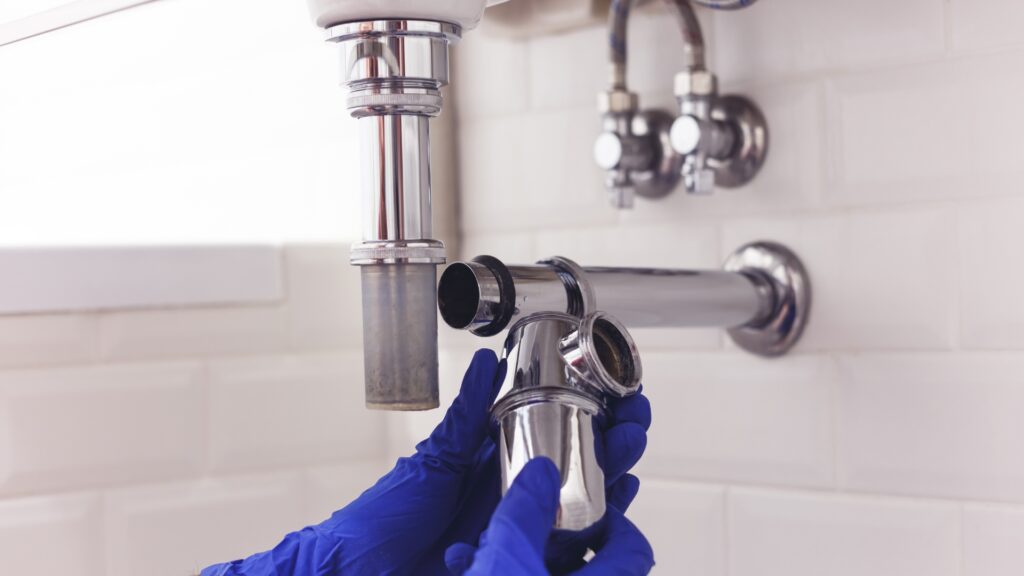
Plumbing maintenance helps prevent blocked drains by reducing the build-up of materials that should not enter the drainage system. In kitchens, grease, oil, coffee grounds and food scraps can collect inside pipes and restrict flow. In bathrooms, hair, soap residue, toothpaste, wipes and hygiene products can create blockages over time. Outdoor drains may become blocked by leaves, soil, roots and debris. Homeowners can reduce risk by using drain strainers, avoiding grease disposal down the sink, keeping outdoor drains clear and responding quickly when water starts draining slowly. If blockages keep returning, a professional inspection may be needed, and Savvy Plumbing’s blocked drains service can help identify and clear more stubborn drainage problems.
What geyser checks should be part of plumbing maintenance?
Geyser checks should be an important part of plumbing maintenance because the geyser works under pressure and is often installed in areas where leaks are not immediately visible. Homeowners should look for dripping overflow pipes, ceiling stains, inconsistent hot water, rusty water, unusual noises or damp areas near the geyser. A geyser should have working safety components, correct pressure control and proper overflow discharge. If the geyser is old, it may need closer monitoring because corrosion and worn parts can increase the risk of failure. A suspected geyser issue should not be ignored, especially if water is leaking into the ceiling or near electrical points. Where a geyser has already failed, professional burst geyser repairs may be needed urgently.
Can plumbing maintenance reduce water bills?
Yes, plumbing maintenance can help reduce water bills because leaks, running toilets, dripping taps and hidden pipe faults can waste water every day. Some leaks are obvious, but others are quiet and continuous. A toilet cistern that keeps running may waste water without creating visible flooding. A small underground leak may show up as wet soil, unusually green patches of grass or a sudden increase in water usage. Regular inspections help identify these problems early. Homeowners should also compare water bills from month to month, because an unexplained increase may indicate a hidden plumbing issue. Fixing leaks quickly is not only good for the home; it also supports responsible water use and long-term cost control.
What plumbing maintenance should be done before a renovation?
Before a renovation, plumbing maintenance should include checking pipe condition, drainage performance, water pressure, fixture positions and any existing leaks. Renovations are an ideal time to inspect hidden plumbing because walls, floors, cupboards or fixtures may already be opened or moved. If old pipes are weak, blocked or poorly positioned, it is better to correct them before new tiles, cabinets and finishes are installed. This is especially important for bathrooms, kitchens and laundry areas where water points and drainage must be planned accurately. Homeowners preparing for upgrades should consider professional plumbing installations to make sure new fixtures and pipework are correctly placed from the beginning.
What plumbing problems should never be ignored?
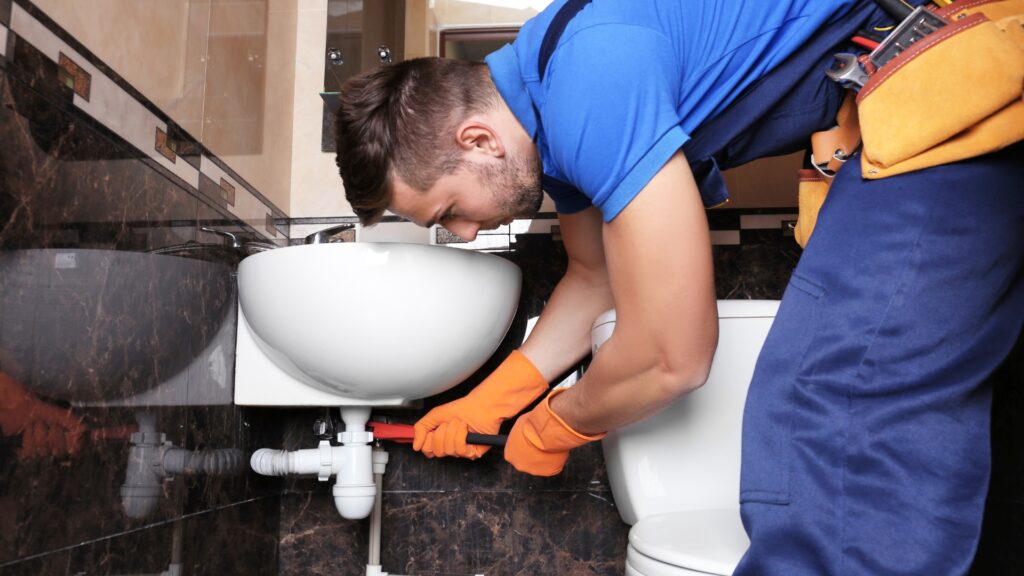
Some plumbing problems should never be ignored because they can quickly cause damage or safety risks. These include water near electrical points, ceiling leaks, sewage smells, overflowing drains, burst pipes, no hot water, constantly running toilets, sudden low water pressure, damp walls and geyser overflow problems. A homeowner may be able to manage small visual checks, but urgent plumbing problems need professional attention. Water can move into walls, ceilings and floors long before the full damage becomes visible. A strong plumbing maintenance routine helps homeowners respond early, but knowing when to call for help is just as important as routine checking.
- Do not ignore water dripping through a ceiling.
- Do not ignore sewage smells or recurring drain blockages.
- Do not ignore sudden changes in water pressure.
- Do not ignore geyser overflow pipes that drip continuously.
- Do not ignore damp cupboards, walls or floors.
- Do not ignore water close to electrical fittings.
When should homeowners call a plumber for plumbing maintenance?
Homeowners should call a plumber when there are signs of leaks, blocked drains, geyser faults, low water pressure, unusual noises, bad smells or repeated plumbing problems. A plumber should also be called before major renovations, when installing new fixtures, when moving water points or when the plumbing system has not been inspected for a long time. While basic checks are useful, professional plumbers have the tools and experience to identify issues that may not be obvious to the homeowner. It also helps to understand the basic role of plumbing in safely moving water through a building, because this shows why proper installation and maintenance matter. With regular care and timely repairs, plumbing maintenance can help keep a home safer, cleaner and more reliable throughout the year.