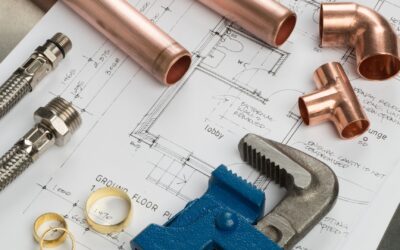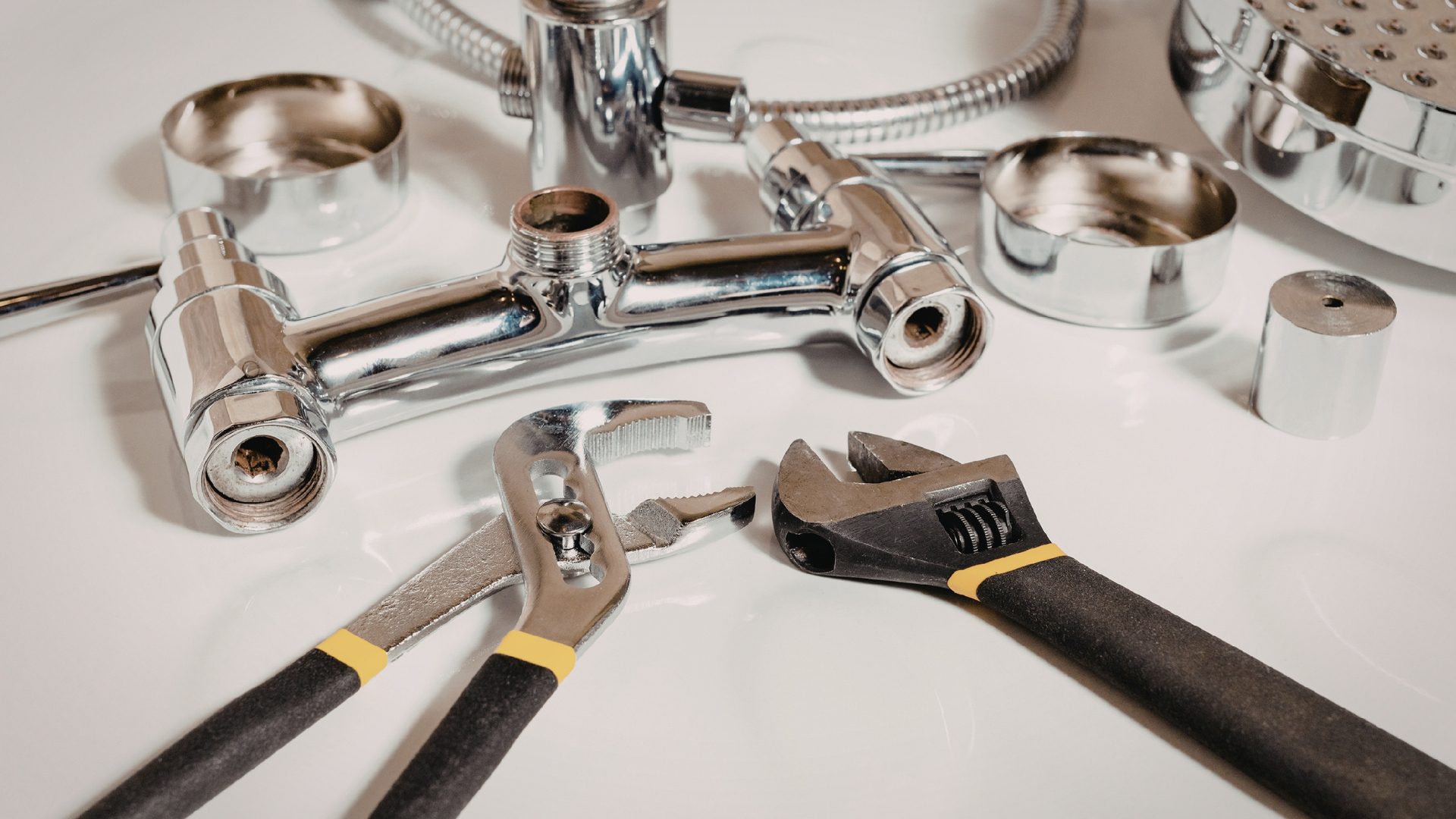
Plumbing tools give homeowners a practical way to deal with minor plumbing problems, basic maintenance and small emergencies around the home. While burst pipes, geyser faults, major leaks and serious blockages should be handled by a professional plumber, keeping a basic plumbing toolkit nearby can help you respond quickly when smaller problems occur.
The most useful plumbing tools for homeowners include a plunger, adjustable wrench or spanner, pipe wrench, plumber’s tape, basin wrench, drain snake and pipe cutter. A bucket, gloves, towels and a flashlight are also useful additions to a home plumbing kit.
This guide explains which plumbing tools every homeowner should consider keeping at home, what each tool is used for, which tools you should buy first and when a plumbing problem should be left to a professional. For serious hot-water system problems, homeowners can also learn more about burst geyser repairs.
Why Should Homeowners Keep Plumbing Tools at Home?
Plumbing problems often happen without warning. A blocked sink, dripping tap, loose connection or leaking fitting can quickly become frustrating when you do not have the correct plumbing tools available.
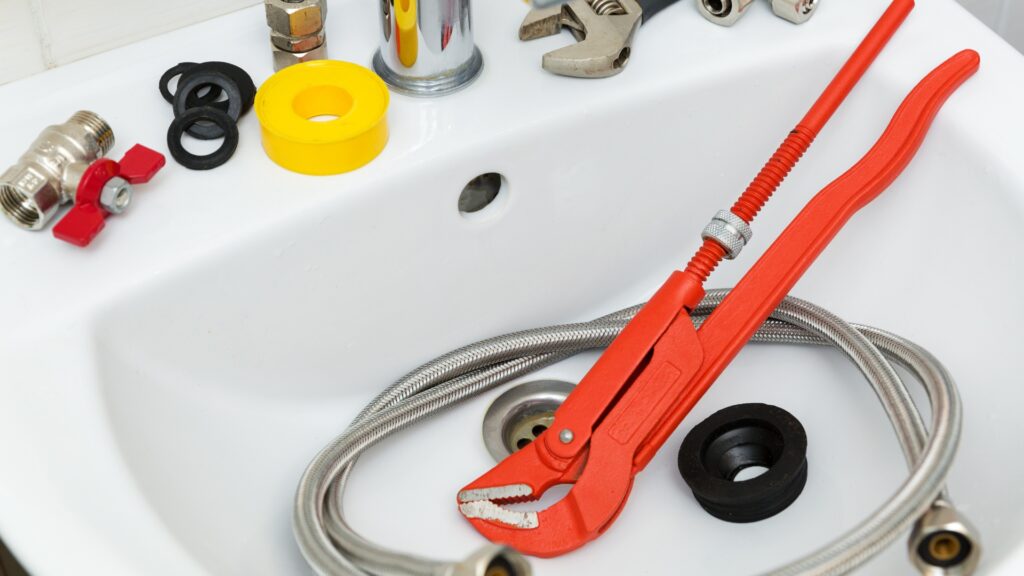
A small home plumbing toolkit can help with simple tasks such as plunging a toilet, tightening an accessible fitting, applying plumber’s tape to a suitable threaded connection or checking beneath a sink for the source of a minor leak.
Having the right tools also makes it easier to recognise when a problem is beyond a safe DIY repair. Severe leaks, burst pipes, blocked main drains, recurring drainage problems and geyser faults usually require professional attention. Regular plumbing maintenance services can also help identify problems before they become more serious.
Which Plumbing Tools Should Every Homeowner Have?
You do not need a professional plumber’s complete toolkit for everyday household maintenance. The best plumbing tools for homeowners are those that can help with common problems such as minor blockages, loose fittings and accessible plumbing connections.
For most South African homes, a good starting kit includes a plunger, adjustable wrench or spanner, plumber’s tape, water-pump pliers, bucket, gloves and flashlight. More specialised plumbing tools such as a pipe wrench, basin wrench, drain snake and pipe cutter can then be added as needed.
| Plumbing Tool | Main Use | Best For |
|---|---|---|
| Plunger | Clearing minor blockages using pressure and suction | Toilets, sinks, baths and showers |
| Adjustable wrench or spanner | Tightening and loosening nuts and fittings | Taps, supply lines and general maintenance |
| Pipe wrench | Gripping and turning round pipes | Metal pipes and stubborn connections |
| Water-pump pliers | Gripping fittings and irregular shapes | Pipe fittings and general plumbing work |
| Plumber’s tape | Helping seal suitable threaded connections | Showerheads, taps and threaded fittings |
| Basin wrench | Reaching nuts in tight spaces | Under-sink tap and basin work |
| Drain snake | Reaching blockages beyond a plunger | Hair, soap buildup and minor drain clogs |
| Pipe cutter | Making clean cuts through suitable pipe | PVC, copper and plastic pipe repairs |
| Tap or faucet key | Operating certain valves without handles | Outdoor and utility water points |
Which Plumbing Tools Should You Buy First?
If you are building your first plumbing toolkit, start with the tools that can deal with the most common household problems. A plunger, adjustable spanner, plumber’s tape, water-pump pliers and a bucket will cover many simple situations.
You can then add more specialised plumbing tools as you need them. A basin wrench is useful if you regularly work beneath sinks, while a drain snake can help with blockages that cannot be cleared with a plunger. A pipe wrench or pipe cutter is generally more useful for homeowners who are comfortable working with accessible pipework.
What Is a Pipe Wrench Used For?
A pipe wrench is one of the most recognisable plumbing tools. It is designed to grip round pipes and pipe fittings, with adjustable jaws that provide enough grip to loosen or tighten stubborn connections.
Pipe wrenches are most useful when working with metal pipework or older fittings. They can also be used to hold one section of pipe steady while another fitting is adjusted.
A pipe wrench should not normally be used on decorative chrome fittings, taps or other delicate surfaces because the jaws can leave marks. An adjustable spanner or protected pliers may be a better choice for these fittings.
Which Type of Plunger Should You Keep at Home?
A plunger is one of the most important plumbing tools for dealing with minor household blockages. It creates suction and pressure that can help dislodge material blocking a toilet, sink, bath or shower drain.
There are two common types worth knowing about. A cup plunger works best on flat surfaces such as sinks, baths and shower drains. A flange plunger has an extended rubber section designed to create a stronger seal inside a toilet outlet.
If a blockage does not clear after reasonable plunging or returns repeatedly, the problem may be further down the drainage system. In that situation, continuing to force the blockage can make matters worse and professional inspection may be required.
What Is Plumber’s Tape Used For?
Plumber’s tape, also called thread seal tape or PTFE tape, is used on suitable threaded plumbing connections. The tape is wrapped around the male thread before the connection is tightened, helping to improve the seal between the threads.
It is commonly used on threaded showerhead connections, certain tap fittings and other threaded plumbing connections. Because it is inexpensive and takes up very little space, plumber’s tape is one of the easiest plumbing tools and supplies to keep in a home toolkit.
Not every connection requires plumber’s tape. Compression fittings, washers and other sealing systems work differently, so tape should only be used when appropriate for the connection.
What Are Water-Pump Pliers Used For?
Water-pump pliers, sometimes called tongue-and-groove pliers, have adjustable jaws that make them useful for gripping plumbing fittings of different sizes.
They are especially useful for holding fittings, loosening accessible connections and gripping irregularly shaped plumbing components. Their versatility makes them one of the most useful general-purpose plumbing tools for a homeowner.
Care should still be taken around chrome, painted or decorative fittings because the jaws can scratch the surface. A cloth or protective layer can help when working on finishes that could be damaged.
What Is a Basin Wrench Used For?
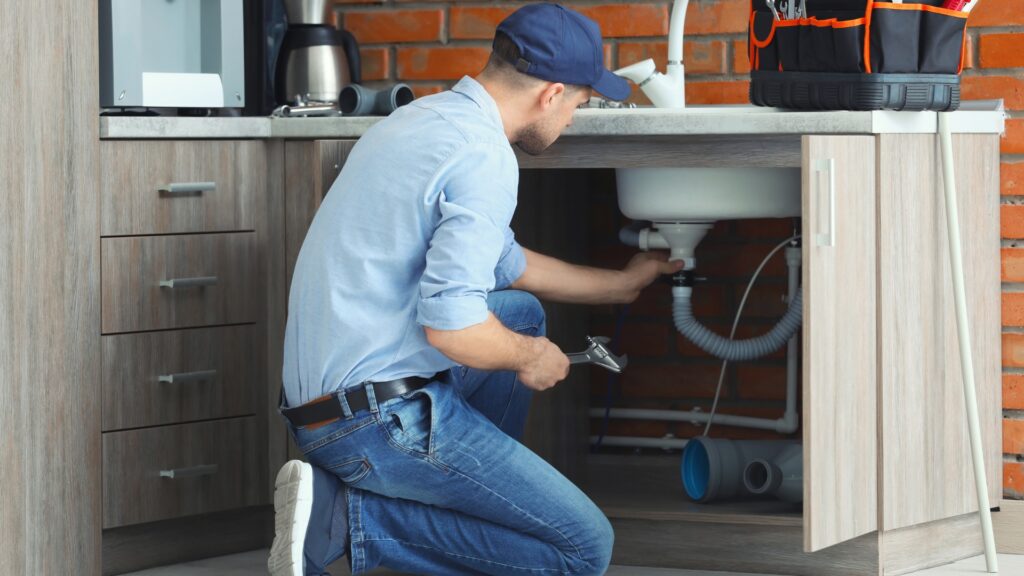
A basin wrench is specifically designed for the narrow space underneath sinks and basins. Its long handle and pivoting jaw make it possible to reach tap mounting nuts that are difficult to access with an ordinary spanner.
This plumbing tool can be particularly helpful when tightening or replacing an accessible tap. Under-sink areas are normally cramped and difficult to work in, so the additional reach of a basin wrench can make the job considerably easier.
If work beneath a sink involves deteriorated pipework, persistent leaking or significant changes to the existing plumbing, professional plumbing installations may be the safer option.
Plunger vs Drain Snake: Which Should You Use?
A plunger should generally be the first plumbing tool used for a simple blockage because it can often clear the obstruction without inserting anything into the pipe.
If a plunger does not work, a basic hand drain snake may help reach material that is further into the drain. Drain snakes use a flexible cable to break up, dislodge or retrieve certain types of blockage.
They are often useful for hair, soap buildup and small debris. However, a drain snake should never be forced through a pipe. Recurring or severe drainage problems can indicate a deeper issue that requires professional assistance with blocked drains in Gauteng.
When Is a Pipe Cutter Useful?
A pipe cutter is designed to produce a cleaner and straighter cut than a general-purpose saw. Different pipe cutters are made for different materials, including copper, PVC and certain plastic pipes.
This is one of the more specialised plumbing tools for homeowners and is most useful when repairing or replacing an accessible section of pipe. A clean cut can make it easier to fit the correct connector or coupling securely.
Before cutting into any pipe, the water supply must be isolated and the pipe must be correctly identified. Never cut into unknown pipework, a pressurised water line or plumbing positioned near electrical systems unless you know that the work is safe.
Adjustable Wrench vs Pipe Wrench: What Is the Difference?
An adjustable wrench, commonly called an adjustable spanner in South Africa, is designed for nuts, bolts and fittings with flat surfaces. A pipe wrench is designed to grip round pipework.
For most basic household plumbing jobs, an adjustable spanner is the more versatile tool. It can be used on accessible tap fittings, supply-line connections and a wide range of nuts.
A pipe wrench provides much more aggressive grip and is better suited to round metal pipes and stubborn threaded pipe fittings. Keeping both gives homeowners more flexibility, but an adjustable spanner should usually be one of the first plumbing tools added to a toolkit.
Do Homeowners Need a Tap or Faucet Key?
A tap or faucet key is a small tool used to operate certain water points and valves that do not have conventional handles. Depending on the property, it may be useful for outdoor taps, utility water points or valves with square stems.
Not every home requires one, but it is inexpensive, compact and useful when your property has a compatible water point.
Are Plumbing Inspection Cameras Worth Buying?
A plumbing inspection camera is more specialised than the other plumbing tools in this guide and is not essential for most homeowners.
The camera is attached to a flexible cable that can be moved into certain pipes, drains or difficult-to-see spaces. It may help identify visible blockages, damage or objects inside a drain.
An inspection camera only helps identify a problem; it does not repair it. If an inspection suggests that pipework is damaged, collapsed or severely blocked, professional assessment is normally required.
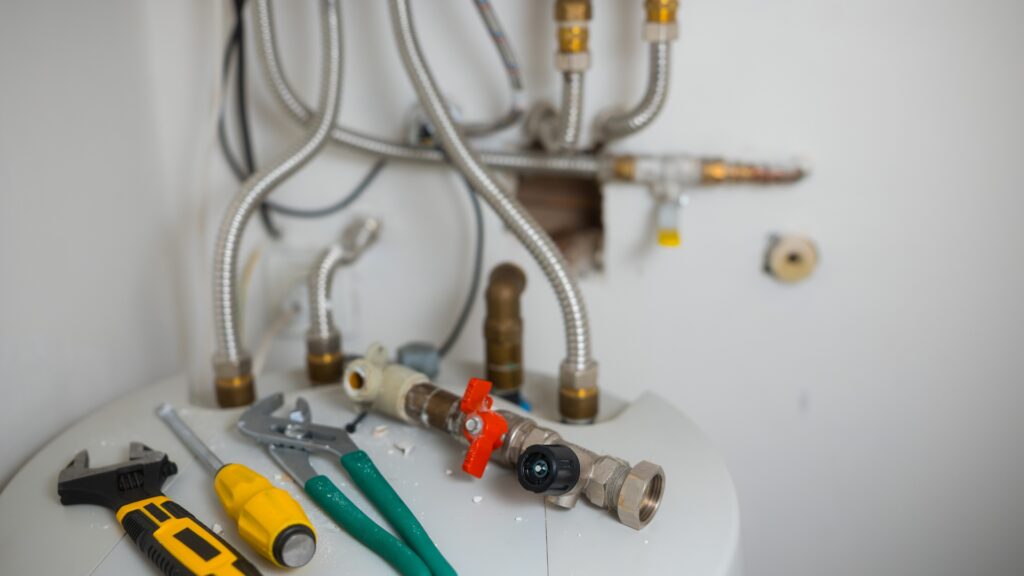
Extra Items to Keep With Your Plumbing Tools
The plumbing tools themselves are only part of a useful home toolkit. A few inexpensive support items can make minor maintenance cleaner, safer and easier to manage.
| Extra Item | Why It Helps |
|---|---|
| Bucket | Catches water beneath sinks, taps and leaking fittings |
| Old towels or rags | Absorb spills and help protect cupboards and floors |
| Rubber gloves | Protect hands when working around drains and dirty water |
| Flashlight or headlamp | Improves visibility beneath sinks and in dark spaces |
| Safety glasses | Help protect the eyes when cutting or clearing debris |
| Screwdriver set | Useful for removing covers, handles and accessible fittings |
| Toolbox | Keeps plumbing tools together and easy to find |
What Plumbing Jobs Are Safe for Homeowners?
Having plumbing tools does not mean every plumbing problem should become a DIY project. Homeowners should limit themselves to work that is simple, accessible and safe.
Depending on the situation and your level of experience, minor tasks may include using a plunger, tightening an obvious loose fitting, replacing a simple showerhead or applying plumber’s tape to a suitable threaded connection.
If you do not understand the plumbing system, cannot isolate the water supply or are unsure what a pipe or fitting does, it is better to stop and get professional advice rather than risk water damage.
When Should You Stop DIY Plumbing and Call a Plumber?
Some plumbing problems should not be repaired with basic household plumbing tools. A mistake can result in hidden leaks, water damage, mould, damaged fixtures or more expensive repairs.
You should contact a plumber when there is a burst pipe, major leak, repeated drain blockage, sewage smell, water entering ceilings or walls, a geyser problem, no hot water, unidentified pipe damage or any plumbing issue involving electrical safety.
Geysers are a particularly important example because they combine stored hot water, pressure and nearby electrical components. Homeowners experiencing a leaking or failed geyser can find more information about burst geyser repairs. Those considering alternative hot-water systems can also read about solar geysers.
How to Build a Basic Home Plumbing Toolkit
You do not need to purchase every plumbing tool at once. Start with the tools most likely to be useful during an everyday plumbing problem.
A practical starter kit could contain a plunger, adjustable spanner, water-pump pliers, plumber’s tape, bucket, flashlight, gloves and a few old towels. These items can help with many simple plumbing situations around the home.
You can then add a basin wrench, pipe wrench, drain snake and suitable pipe cutter if you regularly perform basic home maintenance. Keep everything together in a dry toolbox or storage container so that the tools are easy to find during an emergency.
Final Thoughts on Plumbing Tools for Homeowners
The right plumbing tools can help homeowners handle small problems more efficiently and react quickly when something goes wrong. A basic toolkit can help with minor blockages, loose fittings, suitable threaded connections and everyday plumbing maintenance.
The most important part of any home plumbing toolkit, however, is knowing its limits. A plunger or adjustable spanner may solve a small problem, but burst pipes, recurring blockages, geyser faults and hidden leaks require proper diagnosis and professional repair.
Building a practical collection of plumbing tools gives you the ability to deal with straightforward maintenance while knowing when it is time to call a plumber and protect your home from more serious damage.
Frequently Asked Questions About Plumbing Tools
What plumbing tools should every homeowner have?
Every homeowner should consider keeping a plunger, adjustable wrench or spanner, water-pump pliers, plumber’s tape, basin wrench, drain snake, bucket, gloves and flashlight. A pipe wrench and pipe cutter can also be useful for more specialised home maintenance.
What are the five most useful plumbing tools for beginners?
For most beginners, the five most useful plumbing tools are a plunger, adjustable spanner, water-pump pliers, plumber’s tape and a basic drain snake. These cover several common household plumbing problems without requiring a professional-grade toolkit.
Do I need both a toilet plunger and a sink plunger?
Ideally, yes. A flange plunger is designed to form a better seal in a toilet outlet, while a cup plunger works better against flat drain openings found in sinks, baths and some showers.
Is a drain snake safe to use at home?
A basic hand-operated drain snake can be suitable for some minor household clogs when used carefully. It should never be forced into a drain. If the blockage cannot be cleared easily or keeps returning, the drainage system should be inspected professionally.
What is the difference between a pipe wrench and an adjustable spanner?
A pipe wrench has serrated jaws designed to grip round pipework. An adjustable spanner is designed for nuts and fittings with flat sides. For general home plumbing maintenance, an adjustable spanner is normally the more versatile option.
What is plumber’s tape used for?
Plumber’s tape is used on suitable threaded pipe connections to help improve the seal between the threads. It is commonly used on certain showerhead, tap and threaded plumbing connections.
When should I not attempt a plumbing repair myself?
You should avoid DIY plumbing work when there is a burst pipe, major leak, geyser problem, sewage smell, recurring blockage, hidden water damage or a plumbing issue involving electrical safety. You should also stop if you cannot identify or safely isolate the plumbing you are working on.