
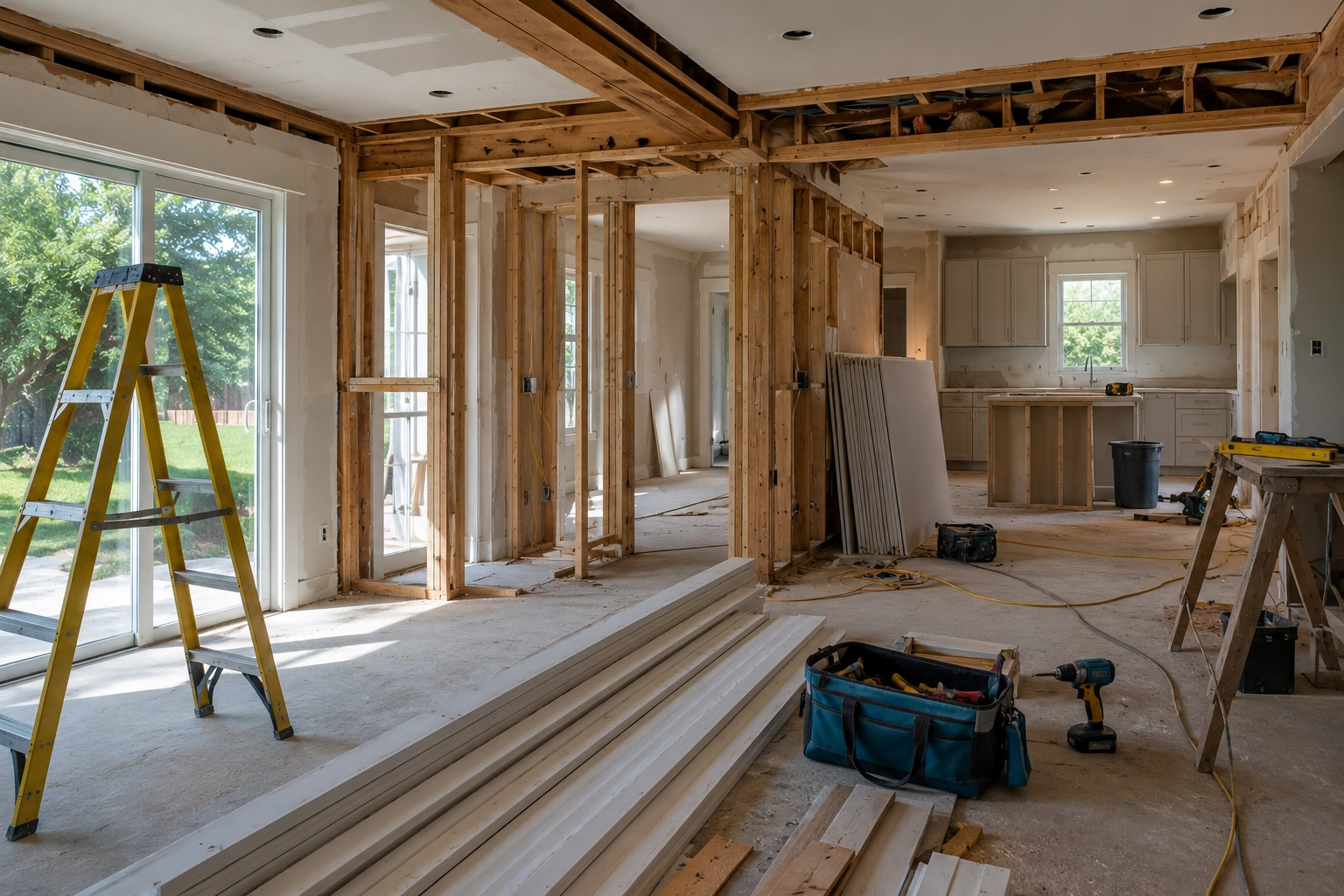
Home renovations can completely change how a property looks, functions and feels, but successful projects depend on far more than choosing new tiles, cupboards, fittings or paint colours. The best results come from planning the renovation as a complete project, taking into account the existing structure, plumbing, drainage, electrical work, materials, contractors, budget and the correct sequence of construction.
Whether you are upgrading a bathroom, renovating a kitchen, adding an ensuite or improving several areas of your home, the decisions made before demolition begins can have a major effect on the final cost and quality of the work.
This home renovations guide explains how to plan the work properly, what commonly affects renovation costs, how plumbing and construction should be coordinated and which mistakes homeowners should avoid before and during a renovation.
What Do Home Renovations Include?
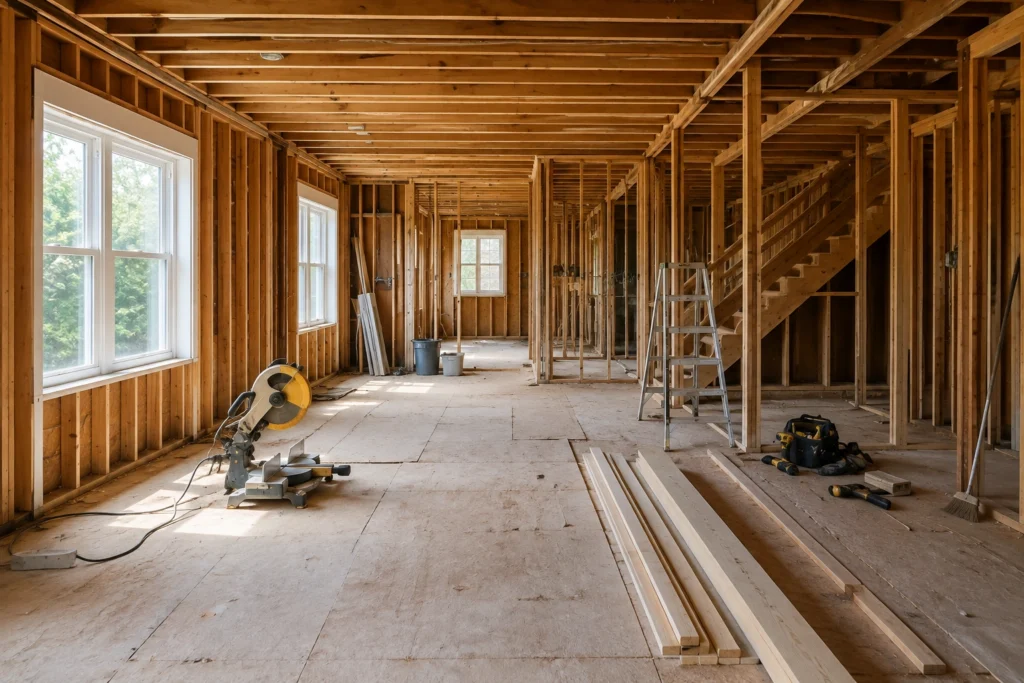
Home renovations can range from relatively simple cosmetic improvements to extensive building projects involving structural alterations, plumbing, drainage and electrical work. A project may focus on one room or form part of a larger upgrade affecting most of the property.
Common projects include bathroom and kitchen renovations, new flooring, painting, ceiling replacement, plumbing upgrades, room additions, new bathrooms, patios, drainage improvements, wall alterations and general property modernisation.
The complexity increases significantly once the project changes the existing layout. Repainting a room, for example, is very different from relocating a bathroom or kitchen where water pipes, waste pipes, electrical points and structural elements may all need to be changed.
For larger projects that extend beyond cosmetic work, Savvy Plumbing and Construction provides construction and civils services covering building work, drainage, water reticulation and related construction requirements.
Start Home Renovations With a Detailed Plan
One of the most expensive mistakes during a renovation is starting demolition before the complete scope of work has been considered. Once cupboards, tiles, ceilings, floors or walls are removed, hidden problems may become visible and previously simple design changes can become expensive construction changes.
Before work begins, determine exactly which areas are changing and what you want the finished property to achieve. Consider whether the work is primarily cosmetic, whether existing plumbing or drainage needs attention and whether walls, water points, electrical connections or appliances will be moved.
The planning stage should also establish a realistic budget, identify which improvements are essential and separate them from optional upgrades that could be completed later if necessary.
This detailed scope makes quotations easier to compare because each contractor can price approximately the same work rather than working from different assumptions.
Homeowners looking for additional ideas can also read Savvy Plumbing’s guide to budget-friendly home renovation ideas.
How to Budget for Home Renovations
There is no single standard price for home renovations because the cost depends heavily on the property, the type of work and the materials selected. Two bathrooms of a similar size can have very different renovation costs if one simply requires new finishes while the other needs new pipework, drainage, waterproofing and structural repairs.
A renovation budget therefore needs to cover more than the visible finishes. Tiles, taps, cupboards and countertops may be the most noticeable parts of the completed room, but substantial costs can sit behind the walls and underneath the floors.
A comprehensive budget may need to account for planning, demolition, labour, building materials, plumbing, electrical work, waterproofing, tiling, flooring, cabinetry, sanitaryware, painting, waste removal and final finishing.
It is also sensible to keep part of the budget available for unexpected work. This becomes particularly important when renovating older properties because ageing pipes, moisture damage, inadequate waterproofing, damaged drainage or previous poor-quality repairs may only be discovered once surfaces are opened.
What Affects Home Renovation Costs?
The final cost of a renovation is normally influenced by several factors working together. Understanding these factors makes it easier to establish a realistic project budget before construction starts.
| Renovation Factor | How It Can Affect the Project |
|---|---|
| Project size | Larger areas generally require more materials, labour and project time. |
| Existing property condition | Leaks, damaged pipes, damp, structural defects or previous poor workmanship may require repairs first. |
| Material selection | Tiles, flooring, sanitaryware, cupboards and finishes can vary significantly in price. |
| Layout changes | Moving kitchens, bathrooms, fixtures or appliances can require new plumbing, drainage and electrical work. |
| Structural alterations | Removing walls, extending rooms or adding new structures may require additional professional input and approvals. |
| Plumbing requirements | Moving water or waste points can require floors and walls to be opened. |
| Property access | Restricted access may make demolition, rubble removal and material handling more difficult. |
| Hidden defects | Problems concealed behind existing finishes may only become visible after demolition. |
Repair Existing Problems Before Installing New Finishes
Home renovations should improve the underlying condition of the property rather than simply hiding existing problems behind new finishes.
Installing expensive tiles over an unresolved plumbing leak, for example, can result in those tiles having to be removed again when the leak becomes worse. The same applies to damp, failed waterproofing, damaged drainage or structural cracking.
Before cosmetic work starts, the contractor should identify signs of leaking pipes, damp walls, roof leaks, damaged drainage, recurring blockages, waterproofing failures, structural cracking, damaged ceilings or ageing plumbing connections.
Resolving these problems while the property is already being opened for renovation is generally far more practical than returning to them after the finishes have been completed.
Bathroom Renovations and Plumbing Planning
Bathroom renovations are popular because a relatively small area can have a significant effect on everyday comfort and the overall appearance of a home. They can, however, involve more technical work than many homeowners initially expect.
A bathroom renovation may involve replacing the bath, shower, toilet, basin, vanity, taps, tiles and storage while also improving ventilation and waterproofing. If the layout changes, the existing water supply and drainage system must also be considered.
Moving a toilet or shower can be considerably more involved than simply installing a new fixture in the original position. Waste pipes need the correct positioning and fall, while new water connections may need to be routed through walls or floors.
For this reason, the plumbing layout should be confirmed before finalising tile positions, vanities and other finishes. Savvy Plumbing explains this further in its guide covering professional plumbing services during home renovations.
Kitchen Renovations Require Coordination Between Trades
Kitchen renovations often require several trades to complete work in a specific sequence. Cabinetry, countertops, plumbing, appliances, electrical connections, flooring and finishes all need to match the final kitchen layout.
The position of the sink, dishwasher, fridge, washing machine where applicable, oven and other major appliances should therefore be decided before installation work begins.
If a sink is moved to another wall, for example, new water pipes and waste connections may be required. Moving appliances can also affect electrical connections and cabinetry dimensions. Making these decisions after cupboards have already been manufactured can lead to avoidable delays and extra costs.
The plumbing and electrical services should therefore be installed and checked before cabinetry, countertops and final finishes close access to these areas. Savvy Plumbing’s professional plumbing services can assist with the installations and alterations required as part of kitchen renovations.
Adding an Ensuite or New Bathroom
Adding an ensuite or additional bathroom can improve the functionality of a property, but the location of the new room can significantly affect the amount of construction and plumbing work required.
A new bathroom positioned close to an existing bathroom or kitchen may be easier to connect to existing water and sewer lines. A bathroom positioned on the opposite side of the building may require substantially more pipework and drainage alterations.
The design should consider the position of existing drainage, water supply routes, floor levels, waterproofing, ventilation, available hot-water capacity and access for future maintenance. These practical requirements should be checked before the room layout is finalised.
Structural Changes During Home Renovations
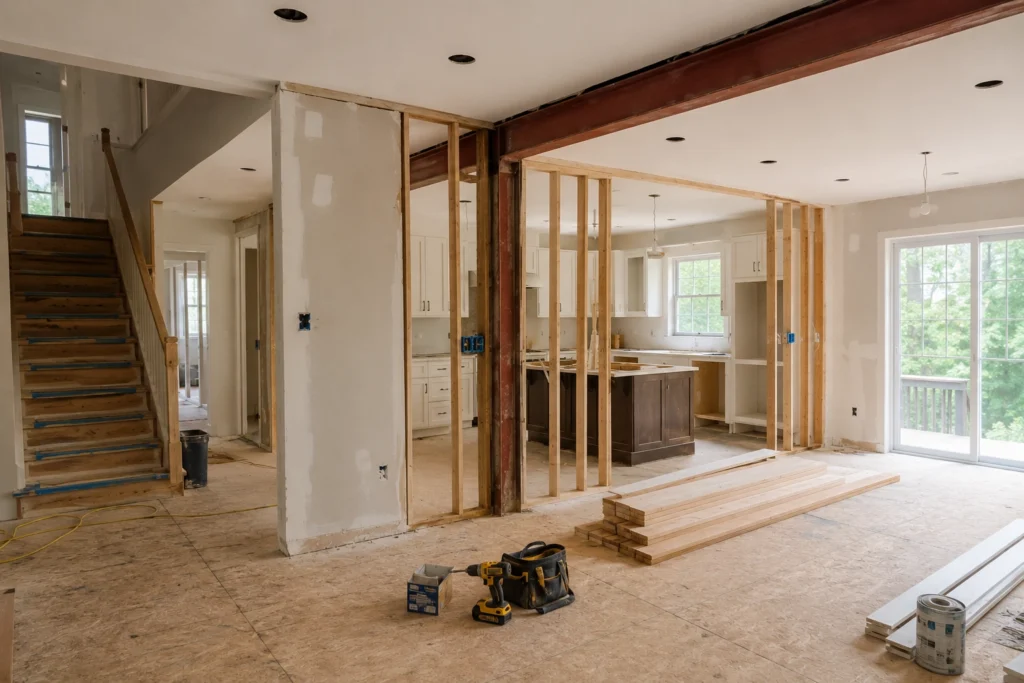
Some renovations move beyond replacing fixtures and finishes and begin changing the actual structure of the building. Examples include removing or moving walls, extending existing rooms, creating larger openings and adding new sections to the property.
A wall should not be removed simply because it appears unnecessary. Certain walls can support the roof, upper floors or other parts of the building and may require professional assessment before any structural changes are made.
Structural renovation work can also affect drainage, water services and access around the property. For projects involving foundations, concrete, building work, drainage or water reticulation, Savvy’s construction and civils services can form part of the renovation planning process.
Do Home Renovations Need Building Plans?
Not every renovation requires new building plans. Straightforward redecorating and cosmetic improvements are different from alterations that change the structure, layout, drainage or footprint of a property.
For Johannesburg properties, structural additions and alterations generally need to be submitted to the relevant municipal planning authority for approval. Projects involving extensions, moving walls or other significant changes should therefore be checked before physical construction begins.
Confirming these requirements early can prevent delays later in the project and helps ensure that the construction work is planned around the approved design.
How to Choose a Home Renovation Contractor
The contractor selected for a renovation can have a direct effect on workmanship, project management, cost control and the quality of the finished property. Choosing entirely on the lowest quoted price can become expensive when incomplete or poor-quality work later needs to be repaired.
A useful contractor comparison should look at experience with similar projects, exactly what is included in the quotation, workmanship, references, payment terms and who will coordinate the different trades involved in the project.
The quotation should also make clear how additional work will be handled. Renovations sometimes expose defects that could not reasonably have been identified before demolition, so both the homeowner and contractor should understand how variations to the original scope will be priced and approved.
Savvy Plumbing and Construction provides plumbing and construction services for homeowners and property owners throughout Johannesburg and surrounding areas.
Compare Renovation Quotes by Scope, Not Price Alone
A renovation quote is only useful when it clearly explains what the contractor is actually supplying. Comparing two bottom-line prices without comparing the work behind those prices can give a misleading impression of which quotation offers better value.
Where relevant, the quotation should identify labour, materials, demolition, plumbing, electrical work, construction, finishes, rubble removal, exclusions and payment stages.
If one quotation is dramatically cheaper than others, check whether important materials, preparation work or specialist services have been excluded rather than assuming that the overall project will genuinely cost less.
Plan Plumbing Before Walls, Tiles and Cupboards Are Finished
Plumbing deserves particular attention during home renovations because much of the final pipework will eventually be concealed. Once walls are closed, tiles are installed and cupboards are fitted, correcting a poorly positioned or leaking pipe becomes considerably more disruptive.
Renovation plumbing may involve replacing old pipes, moving water points, altering waste pipes, installing new toilets, showers, baths or basins, connecting kitchen appliances, changing geyser connections and improving drainage.
The goal should be to complete, inspect and test as much concealed plumbing as possible while the area remains accessible.
For installation, maintenance and plumbing alterations during renovations, view Savvy Plumbing’s full range of plumbing services.
Complete Home Renovation Work in the Correct Order
The exact order of work depends on the property and renovation scope, but the general principle is straightforward: complete disruptive and concealed work before finishing the visible surfaces.
A typical renovation sequence may look like this:
- Planning, design and required approvals
- Site preparation and demolition
- Structural and building work
- Initial plumbing and electrical installation
- Waterproofing, walls and ceilings
- Tiling, flooring and cabinetry
- Painting and final finishes
- Final plumbing and electrical fittings
- Testing, snagging, cleaning and handover
Good coordination prevents completed areas from having to be opened again. A plumber, for example, may need to complete concealed pipework before a tiler finishes the wall, while electrical work may need to be completed before cabinetry or ceilings restrict access.
Avoid Changing the Design During Construction
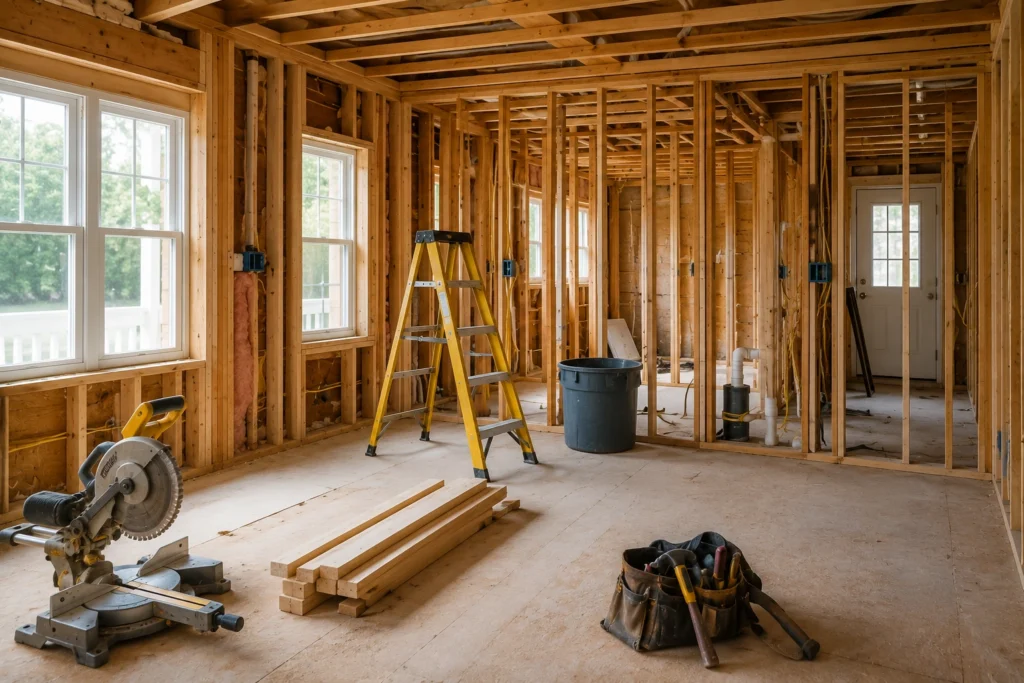
Repeated design changes after construction starts are one of the easiest ways to increase renovation costs and extend the project timeline.
Moving a shower after drainage has already been installed, changing appliance positions after electrical points are complete or selecting different fixtures after tiling begins can mean completed work needs to be changed or removed.
Where possible, finalise room layouts, major fixtures, appliances, tiles, sanitaryware, cupboards and other key materials before physical construction begins.
Include Drainage and Water Management in the Renovation
Drainage should form part of the renovation plan, particularly when extensions, new paving, patios, roof areas or outdoor entertainment spaces are being added.
Changing the surface area or layout around a property can alter how rainwater moves across the site. Poor drainage can contribute to standing water, damp, erosion, moisture entering the building and problems around foundations.
The same principle applies inside the property. Wastewater from kitchens, bathrooms and other plumbing fixtures needs to be directed through appropriately planned drainage systems.
Projects involving stormwater, sewer connections or site drainage can also be discussed with Savvy’s construction and civils team.
Plan for Long-Term Maintenance
A good renovation should not only look better when construction is complete. It should also make the property practical to maintain in the years ahead.
When planning concealed plumbing, cupboards and built-in features, consider whether important components such as valves, geyser connections and other service points will remain accessible if repairs are needed later.
Durable fixtures, water-resistant materials in wet areas, effective ventilation, correct drainage and sensible access to plumbing can all contribute to lower maintenance requirements after the renovation.
Should You Renovate the Whole House or Work in Stages?
Renovating an entire home at the same time can make sense when several rooms require related plumbing, electrical or structural work. Combining this work may reduce repeated demolition, contractor mobilisation and material deliveries.
A complete renovation, however, creates more disruption and usually requires a larger available budget. For some households, completing the project in stages is more manageable.
When renovating in phases, priority should normally be given to defects that could cause further damage. Structural concerns, leaking plumbing, failed waterproofing and drainage problems should be addressed before purely cosmetic improvements.
Bathrooms and kitchens can then be prioritised according to the needs of the household, followed by living spaces, bedrooms and less urgent decorative improvements.
Financing Larger Home Renovations
Larger home renovations can require significant upfront expenditure, particularly when essential plumbing, building and structural work needs to be completed alongside new finishes.
Homeowners planning qualifying projects can explore Savvy’s home renovation finance options to determine whether financing may be suitable for the work being considered.
Common Home Renovation Mistakes to Avoid
Many renovation problems can be traced back to decisions made before the actual construction work starts. Beginning without a clearly defined scope makes budgeting and contractor management difficult, while choosing a contractor purely on price can result in important work being excluded from the quotation.
Another common mistake is selecting expensive finishes while ignoring plumbing, drainage, waterproofing or structural problems underneath them. These underlying elements should be addressed first because failure can damage the new finishes later.
Homeowners should also avoid repeatedly changing the design during construction, purchasing fixtures without checking measurements, moving plumbing fixtures without considering drainage and beginning structural work before confirming whether approval is required.
Clear communication, accurate quotations and an agreed sequence of work can prevent many of these problems before they affect the project.
Home Renovation Planning Checklist
Before contractors begin work, make sure the major practical decisions have been addressed. A useful final planning check includes:
- Scope and budget: Define what is being renovated, establish the available budget and keep an allowance for unexpected repairs.
- Existing problems: Check for plumbing leaks, damp, drainage issues, waterproofing failures and structural concerns.
- Layout and services: Finalise fixture positions and confirm plumbing and electrical requirements before finishes are selected.
- Approvals: Determine whether structural alterations or additions require plans or municipal approval.
- Contractor scope: Obtain detailed quotations and confirm responsibilities, exclusions and payment stages.
- Project sequence: Make sure concealed plumbing, electrical and structural work is completed before finished surfaces close access.
You can also browse the Savvy Plumbing blog for additional guidance covering plumbing, maintenance, construction and property improvements.
Planning Successful Home Renovations
Successful home renovations combine good design with practical construction planning. New finishes are important, but the plumbing, drainage, waterproofing, electrical work and structural components behind those finishes have an equally important effect on the long-term quality of the renovation.
Planning these elements before demolition starts can reduce unexpected costs, prevent unnecessary rework and make it easier for different contractors to complete their work in the correct order.
For homeowners in Johannesburg and surrounding areas planning bathroom renovations, kitchen upgrades, plumbing alterations, structural work or larger home improvements, Savvy Plumbing and Construction can assist with the plumbing and construction requirements of the project.
Visit the Savvy Plumbing contact page to discuss your home renovation requirements and request a quote.
Frequently Asked Questions About Home Renovations
What should I do first when planning home renovations?
Start by deciding exactly which areas you want to renovate and what problems the project needs to solve. Establish a realistic budget and consider the final layout, plumbing, drainage, electrical requirements and any structural changes before demolition begins.
How much do home renovations cost?
Home renovation costs vary according to project size, property condition, materials, labour, plumbing, electrical work, structural alterations and the quality of the finishes selected. A detailed scope and site assessment are generally required before an accurate quotation can be prepared.
Which rooms should I renovate first?
Urgent structural, plumbing, waterproofing and drainage problems should normally be dealt with first. Once essential repairs have been completed, kitchens and bathrooms are common priorities because they have a major effect on the everyday functionality of the property.
Do home renovations require building plans?
It depends on the type of work being completed. Cosmetic improvements may not require new building plans, while structural additions, extensions and alterations can require approval. Confirm the requirements with the relevant professionals and local authority before structural work begins.
How can I keep my renovation within budget?
Define the project scope before construction begins, obtain detailed quotations, make major design decisions early and keep part of the budget available for unforeseen repairs. Avoiding repeated design changes during construction can also help control costs.
Should plumbing be checked before a bathroom or kitchen renovation?
Yes. Existing pipes, drainage, fixture positions and plumbing connections should be checked before new tiles, cupboards and other finishes are installed. Any necessary alterations are easier to complete while walls and floors remain accessible.
Is it better to renovate the whole house at once?
Not necessarily. Completing related work at the same time can reduce repeated demolition and contractor setup, while renovating in stages can make costs and disruption easier to manage. The best approach depends on the condition of the property, available budget and overall scope of work.


