
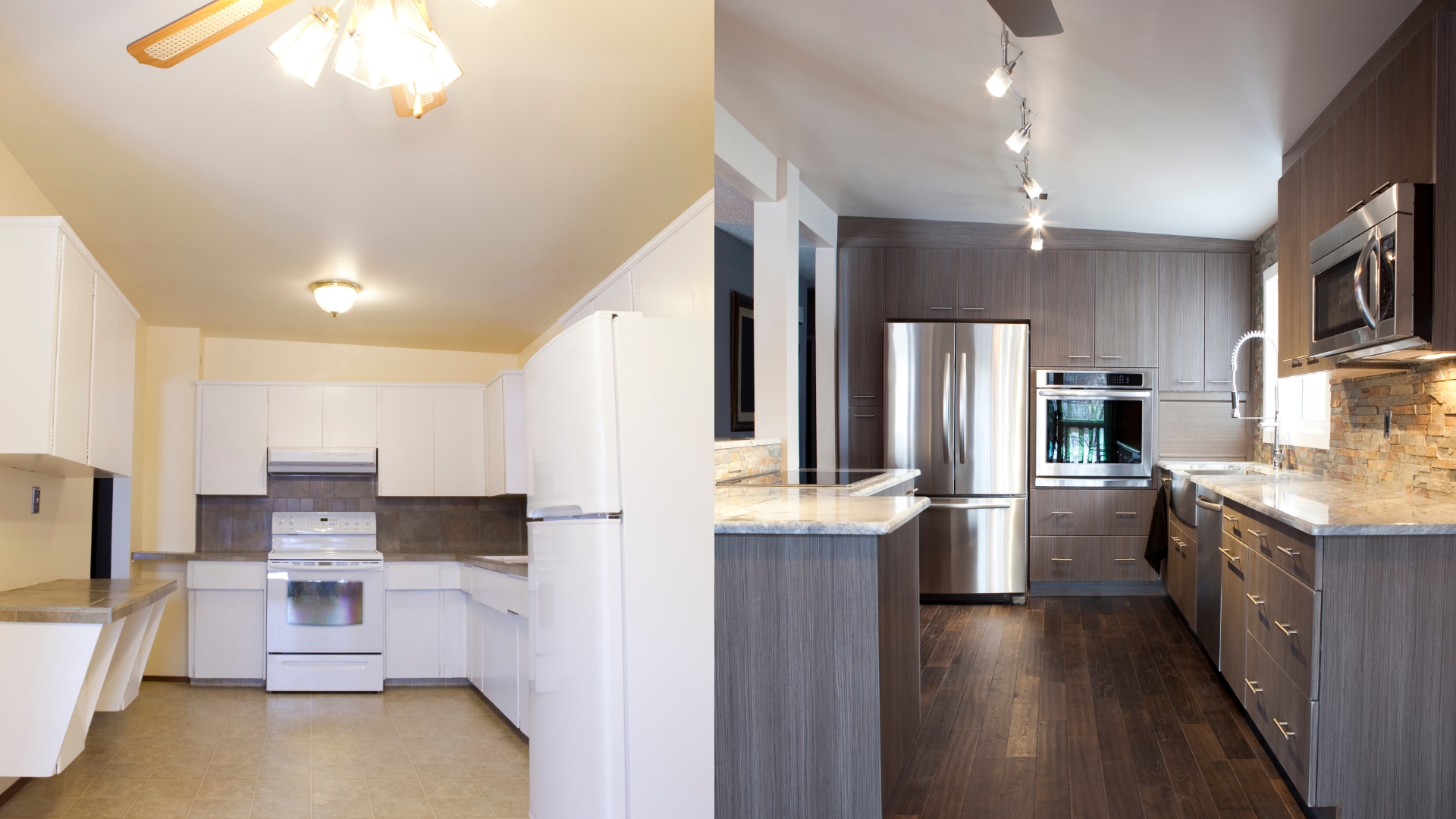
A renovation can completely change the way a home feels, works and supports everyday life. It can create more space, improve comfort, update tired rooms and add practical value to the property. But a successful renovation is not only about new tiles, fresh paint, modern cupboards or better lighting. The best results come from planning the unseen details as carefully as the visible finishes.
Plumbing is one of the most important parts of any home renovation. Kitchens, bathrooms, ensuites, laundry areas, outdoor entertainment spaces and even storage upgrades can all be affected by water supply, drainage, pipe routes, geysers, fixtures, leaks and maintenance access. If these details are ignored, a renovation that looks beautiful on the surface can become expensive to repair later.
For homeowners in Johannesburg, Gauteng and surrounding areas, Savvy Plumbing brings practical installation and maintenance experience into the renovation process. Whether you are updating one room or planning a larger home improvement project, the right plumbing advice can help you avoid hidden problems, protect your budget and make better long-term choices.
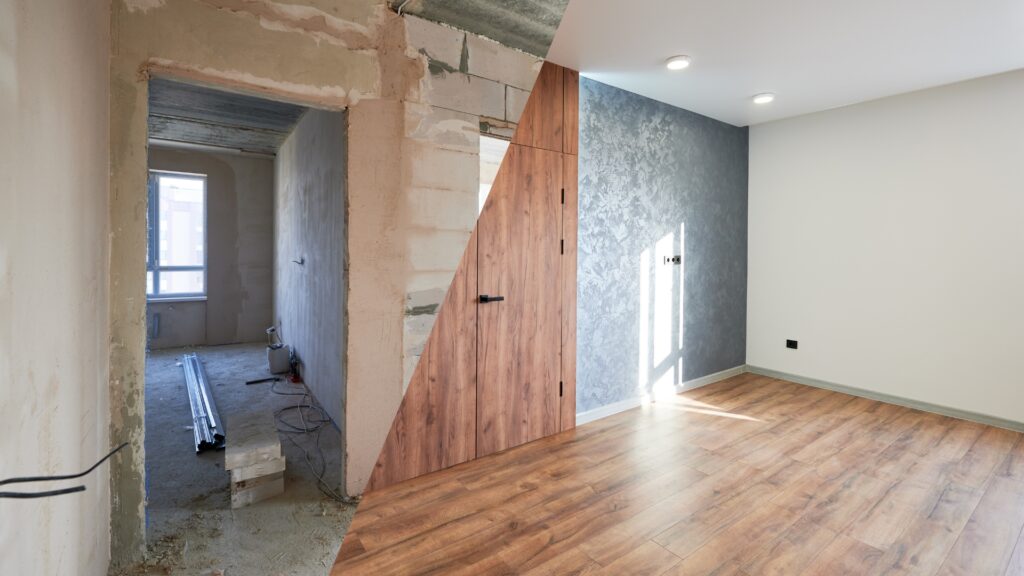
Why Planning Matters Before You Start a Renovation
The most common renovation mistake is starting with finishes before understanding what the home actually needs. It is easy to choose a new basin, shower, bath, tap, countertop, tile or cabinet style. It is harder, but far more important, to check whether the existing plumbing can support those choices safely and efficiently.
Before work begins, homeowners should understand the condition of the current plumbing system. Older pipes, slow drains, weak water pressure, leaking connections, poor waterproofing or geyser issues can all affect the final result. A new bathroom may look impressive, but if the drainage is not corrected or the water pressure is unsuitable, the upgrade may not perform well.
Good renovation planning also helps control costs. When plumbing issues are discovered after tiles, cupboards, floors or walls have already been installed, repairs become more disruptive and expensive. A clear inspection before the project starts can help identify what must be repaired, what can stay and what should be upgraded while the space is already open.
Home Renovation on a Budget: How to Save Money Without Cutting Corners
Renovating on a budget does not mean choosing the cheapest materials or rushing through important work. It means spending money in the right places. For plumbing-related upgrades, the priority should always be safety, function, durability and proper installation before decorative finishes.
Start by separating your renovation budget into essentials and improvements. Essentials include plumbing repairs, waterproofing, drainage changes, fixture installation, water supply adjustments and any work needed to prevent leaks or future damage. Improvements include cosmetic finishes such as tiles, cupboard colours, handles, lighting, mirrors and accessories.
This approach helps prevent overspending on visible details while ignoring hidden systems. For example, a beautiful new kitchen sink is only a good investment if the waste line, water supply, traps and connections are properly installed. The same applies to bathrooms, showers, baths, toilets and laundry areas. Savvy Plumbing’s plumbing installations can support renovation projects where visible fixtures and concealed plumbing work need to be planned together.
| Renovation Area | What Homeowners Often Focus On | What Should Also Be Checked |
|---|---|---|
| Kitchen | Cabinets, countertops, sink style, taps and splashbacks | Water supply, waste pipes, shut-off valves, leaks, dishwasher connection and drainage fall |
| Bathroom | Tiles, vanity, shower screen, bath, basin and lighting | Waterproofing, drainage, pressure, mixer installation, toilet position and hidden leaks |
| Ensuite | Layout, privacy, finishes and compact fittings | Drain access, pipe routing, ventilation, hot water supply and floor levels |
| Laundry | Storage, appliance space and work surfaces | Washing machine point, drainage, overflow risk, tap placement and floor protection |
| Outdoor Area | Decking, veranda, entertainment layout and paving | Stormwater flow, outdoor taps, drainage, damp issues and water runoff |
Add Storage Without Blocking Access to Important Services
Storage is one of the most useful upgrades in any renovation. Built-in cupboards, pantry units, bathroom cabinets, laundry shelving and garage storage can make a home feel more organised and easier to live in. However, storage should be planned around access points, not over them.
Homeowners often forget that plumbers may need access to shut-off valves, geysers, inspection points, traps, pipe routes and drainage connections. If new cupboards or shelving block these areas, future repairs can become much harder. A small leak behind a cabinet can also go unnoticed until it causes swelling, mould, damaged floors or water stains.
When adding storage in a kitchen, bathroom, scullery or laundry, make sure there is enough space to inspect and repair plumbing connections. Vanity units should allow access to basin traps. Kitchen cupboards should not permanently seal off important water points. Storage can be beautiful and practical, but it should never make the home harder to maintain.
Add Natural Light While Protecting Wet Areas
Natural light can make a room feel larger, cleaner and more comfortable. Skylights, bigger windows, glass doors and lighter finishes are common renovation choices, especially in bathrooms, kitchens and compact living areas. These changes can make a major difference, but they should be planned with moisture control in mind.
Bathrooms, showers, laundries and kitchens create steam, condensation and humidity. When adding more natural light, homeowners should also consider ventilation, waterproofing, drainage and surface protection. A bright bathroom is not enough if moisture becomes trapped in corners or behind fittings.
If a bathroom renovation includes moving a shower, adding a bath, changing a basin position or creating a wet room effect, the plumbing layout should be reviewed before finalising the design. Light improves the space visually, but water management protects the structure.
Improve Your Kitchen With Practical Plumbing Choices
A kitchen renovation is one of the most valuable home upgrades, but it is also one of the most plumbing-sensitive. The sink, dishwasher, washing machine connection, fridge water point, waste line and hot water supply all need to work together. Changing the kitchen layout without considering these elements can quickly increase the cost and complexity of the project.
If you are moving the sink to a new wall or island, the drainage route must be checked carefully. Waste pipes need the correct fall to drain properly. Long or poorly planned waste runs can lead to slow drainage, smells or recurring blockages. If blockages are already a concern before the renovation starts, professional blocked drain services can help identify deeper drainage issues before new finishes are installed.
Kitchen upgrades should also include a check of existing shut-off valves, traps, flexible connectors and visible pipework. Replacing old or weak components during the renovation can prevent leaks after the new cupboards and counters are installed. This is a small step that can save homeowners from major inconvenience later.
Revamp Your Bathroom With Long-Term Function in Mind
A bathroom renovation can improve comfort, add value and make daily routines feel easier. New tiles, modern taps, frameless showers, updated vanities and freestanding baths can all transform the space. But bathrooms need more than good design. They need correct plumbing, safe water flow, reliable drainage and proper waterproofing.
Before choosing fixtures, check whether the current water pressure suits the products you want. Some mixers, shower heads and systems perform best within specific pressure ranges. If the pressure is too low or inconsistent, the result may be disappointing even if the fixture is high quality.
Drainage is just as important. A shower that drains slowly, a toilet that blocks often or a basin that smells bad can point to deeper issues. These should be addressed before the renovation is completed. Savvy Plumbing can assist with the practical side of bathroom upgrades, from fixture installation to identifying plumbing problems that may affect the final result.
Add an Ensuite Bathroom the Right Way
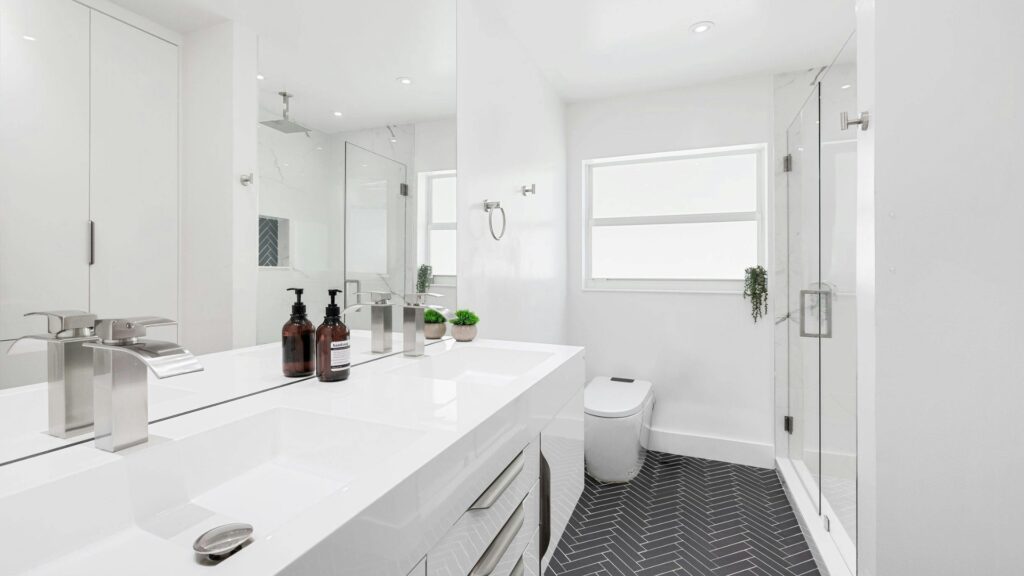
Adding an ensuite can make a home more comfortable and appealing, especially where families need more privacy or convenience. However, an ensuite is not simply a matter of fitting a toilet, basin and shower into unused space. It needs a proper plumbing plan.
The first question is whether the new bathroom can connect practically to existing water supply and drainage lines. The further the ensuite sits from existing plumbing, the more complex the installation may become. Floor levels, pipe routes, ventilation, waterproofing and access for future maintenance all need to be considered before building begins.
Small ensuites also need careful fixture choices. Compact basins, wall-mounted vanities, efficient toilets and well-positioned showers can make the space work without feeling cramped. A professional plumbing assessment can help confirm what is possible before the design is finalised.
Add a Deck or Veranda Without Creating Drainage Problems
Outdoor living spaces are popular renovation additions because they extend the usable area of the home. A deck, veranda, patio or entertainment area can make the property more enjoyable and practical. However, outdoor upgrades should always consider water flow.
Paving, decking, roofing and built structures can change how rainwater moves around the property. If water is directed toward the house, blocked against walls or trapped under decking, it can contribute to damp problems, soil movement, mould or structural damage over time. Stormwater drainage, outdoor taps, garden water points and existing drains should all be checked before the outdoor area is completed.
If you are adding an outdoor kitchen, basin, guest bathroom, pool shower or garden tap, professional plumbing input becomes even more important. These additions need reliable water supply and safe drainage, not just convenient placement.
When to Bring a Plumber Into the Renovation Process
The best time to involve a plumber is before the final layout is approved. Once cabinets, tiles, flooring and walls are in place, plumbing changes become more expensive and disruptive. Early input can help confirm whether your ideas are practical, where water points should go, whether drains can be moved and whether any hidden problems need attention.
A plumber should be involved when you are moving a kitchen sink, adding a bathroom, changing a shower layout, installing a new bath, upgrading a geyser, adding laundry points, fitting new taps, changing toilets, dealing with low pressure or correcting drainage problems. This does not mean the renovation needs to become complicated. It means the work is planned properly from the start.
If the project includes a leaking or ageing geyser, it is better to address it before the new finishes are completed. Savvy Plumbing offers burst geyser repairs for homeowners dealing with geyser leaks, water damage or hot water system problems.
How Renovation Financing Can Help With Essential Work
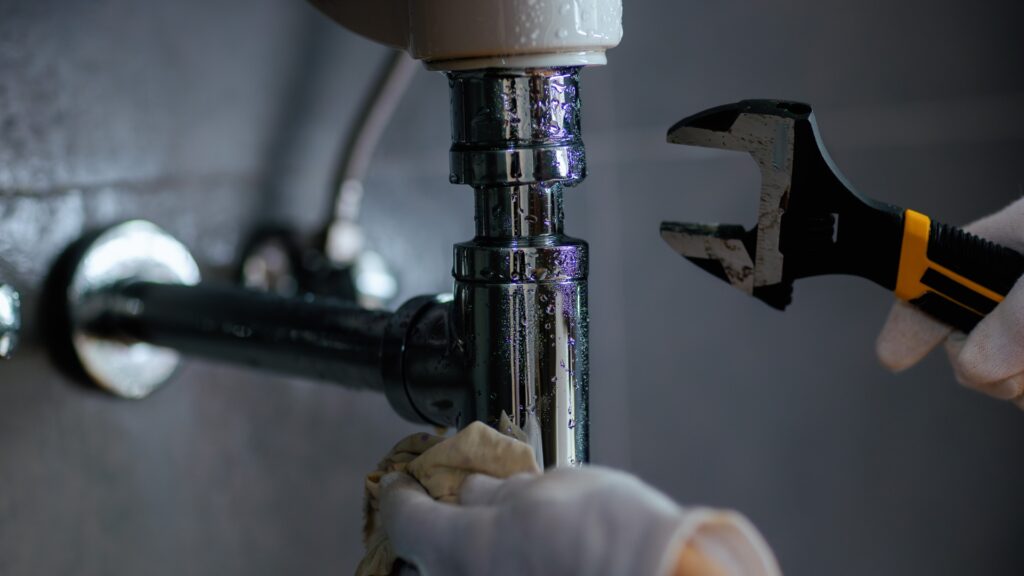
Some renovation projects become more urgent when plumbing problems are discovered. Leaks, old pipework, drainage faults or geyser concerns may need attention before cosmetic upgrades can continue. This can affect the budget, especially when the work is necessary for safety and long-term protection.
For homeowners planning larger upgrades, Savvy Plumbing offers options to finance your renovations. This can help make essential plumbing, bathroom, kitchen or home improvement work more manageable while still prioritising proper installation and reliable results.
A Practical Renovation Checklist for Homeowners
Before starting your project, use this checklist to avoid common problems and keep the upgrade focused on long-term value:
- Decide which parts of the home need cosmetic changes and which need functional repairs.
- Check for existing leaks, damp patches, slow drains, weak pressure and old plumbing fittings.
- Confirm whether any sinks, toilets, showers, baths or appliances will be moved.
- Plan storage around plumbing access points.
- Make sure bathroom and kitchen upgrades include proper drainage and waterproofing.
- Check whether the geyser, hot water supply or pipework needs attention before new finishes are installed.
- Consider stormwater drainage before adding outdoor structures, paving, decks or verandas.
- Keep part of the budget aside for unexpected plumbing repairs or upgrades.
- Use qualified professionals for installation work that affects water, drainage or safety.
A renovation should make your home more comfortable, practical and valuable. The strongest projects are planned from the inside out, with attention given to plumbing, drainage, water pressure, fixtures, maintenance access and long-term performance before the final finishes are chosen.
Whether you are updating a kitchen, revamping a bathroom, adding an ensuite, improving storage or creating a better outdoor living area, the plumbing decisions made early in the project can affect the result for years. Good planning helps protect the budget, reduce future repairs and create a home that works as well as it looks.
Frequently Asked Questions About Renovation Planning
Why should plumbing be considered during a renovation?
Plumbing should be considered during a renovation because kitchens, bathrooms, ensuites, laundries and outdoor areas often depend on water supply, drainage, geysers, fixtures and pipework. Planning these details early can help prevent leaks, poor drainage, pressure issues and costly repairs after new finishes are installed.
When should a plumber be involved in a renovation?
A plumber should be involved before the final layout is approved, especially if the renovation includes moving a sink, adding a bathroom, changing a shower layout, installing a bath, upgrading a geyser, adding laundry points or correcting drainage problems.
What should be checked before a bathroom renovation?
Before a bathroom renovation, homeowners should check water pressure, drainage, waterproofing, fixture placement, toilet position, shower layout, hidden leaks and access to plumbing connections. These details affect how well the finished bathroom performs.
Can adding storage affect renovation plumbing?
Yes, storage can affect renovation plumbing if cupboards, shelves or vanity units block access to shut-off valves, traps, pipework, geysers or inspection points. Storage should be designed so plumbing can still be inspected and repaired when needed.
For professional support with renovation-related plumbing work, visit Savvy Plumbing’s plumbing installations page or contact the team through Savvy Plumbing’s contact page.


