Borehole costs in South Africa vary according to drilling depth, ground conditions, casing requirements, pump selection, filtration, storage and the plumbing required to connect the system to your property. While the initial investment can be substantial, a well-designed borehole can reduce dependence on municipal water and provide an alternative supply for gardens, pools and other household uses. This guide explains the main borehole costs, what affects the final installation price, ongoing expenses and the factors that determine whether a borehole is worth the investment.
What is a borehole and how does it differ from a water well?
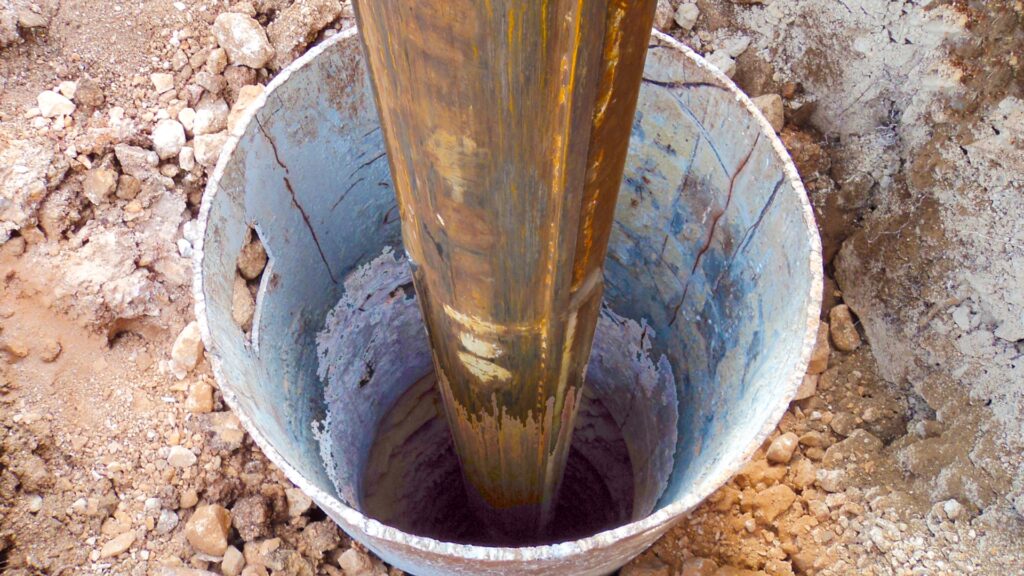
A borehole is a drilled, lined hole that taps groundwater from an aquifer and is typically fitted with a screened casing and pump system to deliver water to a property. While the terms “borehole” and “water well” are often used interchangeably, boreholes in South Africa are commonly deeper and drilled with mechanised rigs to reach fractured rock aquifers. For a concise technical background see the water well entry on Wikipedia.
In practice, a borehole installation is a combined project of drilling and plumbing services: drilling the hole, installing the casing, submersible pump, pressure tank, filtration and then connecting to the household plumbing network. Many full-service plumbing contractors in South Africa coordinate drilling, pump installation, and ongoing maintenance to provide a turnkey solution for residential and commercial plumbing projects.
How much does drilling a borehole cost in South Africa?
Costs vary widely depending on geology, depth to water, access, pump selection and whether storage or filtration is required. A typical residential borehole project can range from a modest drilling and pump install to a more elaborate system with storage tanks, chlorination, filtration and electrical upgrades. Below is a typical cost breakdown to help estimate budget:
| Item | Typical cost range (ZAR) |
|---|---|
| Drilling (per metre & site mobilization) | R200 – R700 / m |
| Casing, screen & grouting | R8,000 – R25,000 |
| Submersible pump and control | R6,000 – R35,000 |
| Filtration and disinfection | R3,000 – R20,000 |
| Storage tank & plumbing tie-in | R4,000 – R25,000 |
| Electrical & automation | R2,000 – R15,000 |
Because geology and yield are site-specific, many homeowners pay for a professional yield test post-drilling to confirm sustainable flow rates before committing to a large pump. For projects paired with renovations or full plumbing installs, consider coordinating with qualified plumbing installers to avoid duplicated site costs — see our plumbing installations for related services: https://savvyplumbing.co.za/plumbing-installations/.
According to the World Bank, investing in resilient water infrastructure often produces significant economic returns, making boreholes a strategic investment for many property owners.
Is a borehole worth it for a typical South African home (long-term ROI)?
Whether a borehole is “worth it” depends on your water usage, municipal tariffs, frequency of supply interruptions, and the specific yield of your borehole. For homeowners on high municipal tariffs or those experiencing repeated water restrictions, the payback period can be relatively short. A borehole that supplies most outdoor irrigation and a portion of household use can reduce municipal water bills substantially.
Here are the main ROI drivers:
- Municipal water tariffs and annual increases
- Household water demand (gardens, pools, Indoor use)
- Initial drilling and installation cost
- Operating costs (pump electricity, maintenance)
- Longevity and resale value improvements
According to UNESCO, groundwater supplies nearly 50% of the world’s drinking water, making it a reliable source in many regions if the aquifer is sustainable and properly managed. For many South African homeowners, combining a borehole with solar geyser systems or energy-efficient pumps can improve ROI by lowering running costs — see solar geyser options for integration: https://savvyplumbing.co.za/solar-geysers/.
How much water can a borehole supply and what water savings can I expect?
A borehole’s yield can range from a few litres per hour to hundreds of litres per hour depending on local geology. Typical good production for domestic use is 1,000–5,000 litres per day, but yields are site-specific. A properly sized system can provide enough water for irrigation, laundry and in many cases household consumption.
Water savings come from replacing municipal water for non-potable uses (gardens, car washing, pool top-ups) and, where treated appropriately, even potable uses. Households that install boreholes often see municipal bill reductions between 30% and 80% depending on how much of daily usage is met by borehole supply. To estimate actual savings, track your current municipal usage and model how much of that can be shifted to borehole water.
What are the ongoing costs and maintenance for a borehole?
Maintenance is crucial for performance and lifespan. Typical ongoing costs include electricity for the pump, periodic water testing, filter replacements, occasional servicing of the pump, and potential repairs to borehole casing or controls.
Maintenance tasks and approximate frequencies:
- Water quality test: annually or when taste/appearance changes
- Filter cartridge replacement: 6–12 months depending on usage
- Pump service/check: every 2–5 years (or sooner if problems)
- Disinfection (shock chlorination): as needed after contamination events
Many plumbing and borehole service companies offer maintenance contracts or scheduled servicing that include emergency response — useful for customers seeking long-term service warranties and fast-response plumbing services. For plumbing maintenance support and contracts, explore: https://savvyplumbing.co.za/plumbing-maintenance-services/.
What permits, regulations and environmental considerations apply in South Africa?
Drilling a borehole in South Africa requires compliance with local municipal bylaws and national water-use regulations. In some provinces you must register the borehole with the Department of Water and Sanitation and obtain authorization if the abstraction volume exceeds certain thresholds. Environmental considerations include sustainable yield, avoiding contamination from septic tanks, and ensuring rehabilitation of drilling sites.
Key steps before drilling:
- Check local municipal bylaws and land-use planning requirements.
- Confirm groundwater availability and sustainable yield with a geohydrologist.
- Register the borehole if required by provincial regulations.
- Plan siting away from contamination sources (septic tanks, grease traps, fuel storage).
Working with professional and certified plumbers and drillers reduces regulatory risk and ensures proper registration, pump selection and water-quality controls.
How long does drilling take and what disruption should I expect?
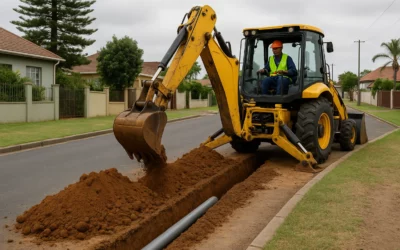
Drilling time depends on depth, geology and site access. A straightforward residential borehole (20–50m) typically takes 1–3 days, including mobilisation, drilling and initial development. Complex sites or hard rock can extend to a week or more. Expect noise, rig access, and some landscaping disruption. Reputable contractors will provide site protection, restore disturbed surfaces and coordinate with your plumber for a tidy handover.
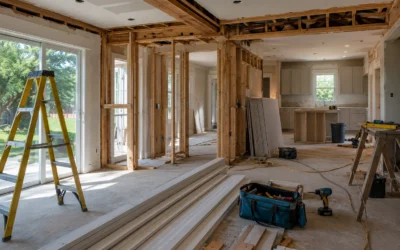
Scheduling drilling around landscaping or renovation projects (for example, bathroom renovations or tiling and flooring work) can reduce rework and save on costs. If you’re renovating, coordinate drilling and plumbing installations together to streamline project timelines and budgets.
How do I choose a drilling contractor and what services should I expect?
Choose contractors who offer both drilling and integrated plumbing services or who work closely with certified plumbers. Look for documented references, examples of past work, equipment photos, and clear guarantees on yield and borehole construction. Important credentials and features to check:
- Professional certification or membership in relevant industry bodies
- Proven experience in local geology and successful yield tests
- Transparent pricing and clear scope for drilling, casing, pump and tie-in
- Long-term service warranties and maintenance contracts
For turnkey projects, consider contractors listed under drilling and installation services like https://savvyplumbing.co.za/water-borehole-drilling/ and those offering construction civils support if heavy civil works are required: https://savvyplumbing.co.za/construction-civils/.
How do I connect a borehole to household systems (geyser, pumps, filtration, solar)?
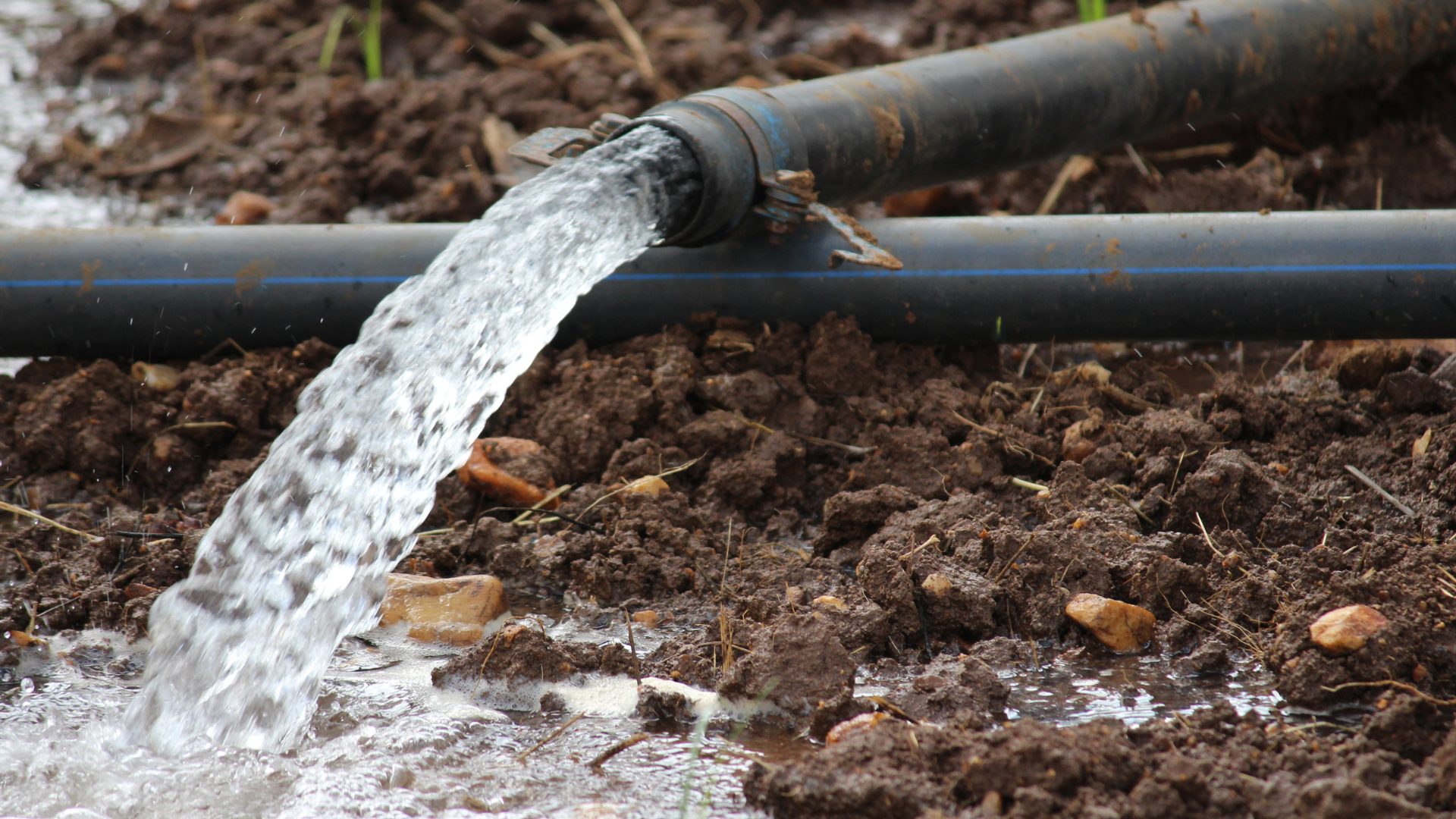
Connecting a borehole to household systems requires pump selection, pressure regulation, isolation valves, filtration and often a storage tank. If you plan to use borehole water for domestic hot water, integrate it with geyser systems (including solar geysers) and ensure water quality meets the geyser manufacturer’s requirements. If you currently use a municipal supply and a separate geyser, you may need additional backflow prevention and dual supply plumbing to comply with regulations and protect potable systems.
Integration tips:
- Install a pressure vessel and pressure switch for steady household pressure.
- Use pre-filtration and UV/chlorination if water will be used for drinking or bathing.
- Consider pump controllers and low-level protection to prevent dry-running.
- Use check valves and isolation taps to enable easy switching between municipal and borehole water.
For geyser work or if you need to replace or repair a burst geyser during integration, certified services like burst geyser repairs and replacement can be coordinated: https://savvyplumbing.co.za/burst-geyser-repairs/.
What common problems should I expect and how does emergency support work?
Common issues include pump failure, reduced yield (due to seasonal drawdown), contamination, blocked filters, and electrical faults. Many property owners also face minor plumbing problems such as blocked drains, leaking pipes, or the need for leak detection after tie-in.
Having a local 24/7 emergency plumber or service contract is valuable. Emergency plumbers can respond quickly to burst or leaking pipes, faulty pump controls or sudden contamination. For blocked drains and preventive maintenance, consider scheduled drain cleaning and grease trap maintenance (restaurants) to avoid cross-contamination with borehole systems: https://savvyplumbing.co.za/blocked-drains-gauteng/.
Fact: According to UNESCO, groundwater plays a critical role in drought resilience. In practice, a well-maintained borehole plus a responsive service contract helps protect your investment and limits water damage and downtime.
How can I finance a borehole and what warranties or service contracts should I expect?
Financing options include personal loans, home improvement finance, or contractor-led finance plans. Many plumbing and renovation companies offer tailored finance packages to spread the cost; investigate options early to include borehole works in your renovation finance package. See financing pathways here: https://savvyplumbing.co.za/finance-your-renovations/.
Look for contractors offering:
- Clear warranty on workmanship and pump compressors
- Service plans for annual checks, water testing and priority emergency response
- Transparent spare parts pricing and documented maintenance schedules
According to development finance studies, investing in onsite water solutions often strengthens property value and business continuity for commercial plumbing clients, with favorable long-term returns when coupled with maintenance contracts.

Final checklist: Is a borehole right for your property?
Before you decide, use this checklist to determine if a borehole is a good fit:
- Review municipal tariffs and projected increases
- Assess your average water consumption and potential shift to borehole water
- Arrange a hydrogeological survey or consult experienced drillers
- Obtain quotes that include drilling, pump, filtration and tie-in costs
- Confirm regulatory requirements and registration with local authorities
- Plan maintenance and emergency support via full-service plumbing providers
Fact: According to the Food and Agriculture Organization (FAO), groundwater supports a significant portion of global irrigation and local water security — underlining the strategic value of properly designed borehole systems. When done correctly, a borehole can provide sustainable water savings, resilience during droughts and strong long-term ROI for South African homes and businesses.
Need help assessing whether a borehole is the right choice for your property? Our full-service plumbing and drilling partners offer site assessments, drilling, installations and long-term maintenance with professional and certified plumbers. We also support integration with gas services, water heater installations and broader plumbing maintenance contracts to protect your investment and ensure reliable supply year-round.