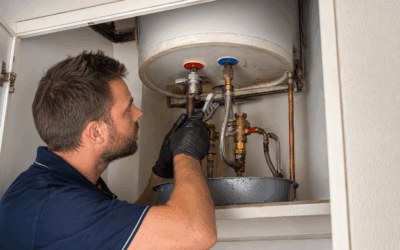
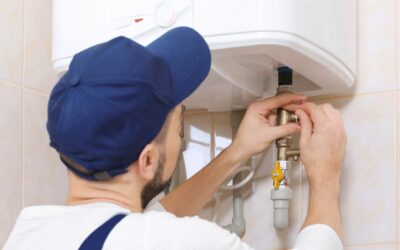
eyser installation involves more than connecting a hot-water cylinder to your home’s water and electricity supply. A safe installation requires the correct valves, drip tray, drainage, vacuum breakers, pipework and electrical connections, as well as a geyser that is appropriately sized for the household. Whether you are replacing a failed geyser or installing a new one, this guide explains the main geyser installation requirements in South Africa, the components involved, factors affecting installation cost and what homeowners should check before the work begins.
What Parts Are Required for a Geyser Installation?
A properly installed geyser includes several essential components:
- Drip tray
- Drainpipe
- Temperature and pressure valve
- Shut-off tap
- Pressure control valve
- Overflow pipe
- Vacuum breakers
- Anti-corrosion anode rod
- Covered thermostat and heating element
- Electrical isolator switch
While some minor repairs, like replacing a drip tray, can be handled by homeowners, most components require professional expertise for safe geyser installation and repair.
Electrical Setup for Geyser Installation
Proper electrical setup is crucial for a safe geyser installation:
- A miniature circuit breaker should protect the unit from electrical surges.
- Switches must be positioned away from water and fully insulated to reduce the risk of electrocution.
For professional guidance on electrical setup and safety compliance, check out Savvy Health and Safety.
Water Lines and Pipe Considerations
The geyser’s water supply must remain unobstructed:
- Water lines and pipes should be properly supported, often using wooden blocks.
- Correct installation ensures a steady flow of water to the geyser.
These tasks are typically performed by professional plumbers to ensure efficiency and compliance with safety standards. Learn more about professional plumbing support for installations here: Plumbing Installations.
Safety Measures in Geyser Installation
Safety should always be a priority:
- Spacing: Ensure there is enough space around the geyser for inspection and maintenance. Adequate height ensures strong water flow.
- Location: Avoid installing geysers near water sources such as bathrooms to reduce electrical hazards.
Professional advice on safe installation and compliance can be found at Savvy Health and Safety.

How Much Does Geyser Installation Cost in South Africa?
Geyser installation and repairs can be expensive, but regular maintenance can help lower costs:
- Perform routine checks on the geyser and its components. Explore our Plumbing Maintenance Services for professional upkeep.
- Lower the temperature to save on electricity.
- Inspect and replace the anode rod and pressure valve as needed.
- Upgrade plastic parts to metal for durability.
- Consult a professional for expert advice.
Investing time in maintenance can extend your geyser’s lifespan and improve energy efficiency first. For reliable service, consider consulting with trusted professionals like Savvy Civils and Plumbing.

Why Professional Geyser Installation Matters
While minor repairs may be manageable at home, geyser installation and major repairs should always be handled by professionals:
- Plumbers have the skills and experience to ensure safe installation.
- Professionals can identify potential issues that are not obvious to untrained eyes.
- An annual professional inspection can prevent costly breakdowns and safety hazards.
Even confident DIYers benefit from professional assessments. For expert geyser repairs, including burst geyser repairs, turn to trusted professionals.
Step-by-Step Geyser Installation Process
The exact process varies depending on the unit, but standard steps include:
- Preparation: Choose a location near water and power sources, but away from splash zones.
- Positioning: Install the geyser vertically or horizontally according to the model’s requirements.
- Component Installation: Connect the drip tray, drainpipe, temperature and pressure valve, shut-off tap, pressure control valve, overflow pipe, and vacuum breakers.
- Electrical Setup: Install a miniature circuit breaker and ensure all electrical components are insulated and away from water.
- Testing: Fill the unit and check that the heating element functions properly.
- Safety Checks: Verify spacing, pressure systems, and proper grounding of electrical components.
For a professional geyser setup, including solar options, explore Solar Geysers.
Ongoing Geyser Maintenance
Regular maintenance ensures efficiency and longevity:
- Temperature management: Turn on the geyser shortly before use to reduce electricity consumption.
- Anode rod inspection: Replace every three years or when corrosion is visible.
- Pressure valve check: Inspect at least once a year for leaks.
- Electrical safety: Watch for burn marks or damage on plugs and sockets.
- Upgrade materials: Replace plastic parts with more durable metal components.
Professional inspections remain invaluable even for well-maintained geysers. Check Plumbing Maintenance Services for regular upkeep.
| Maintenance Task | What to Do | Frequency / Notes |
|---|---|---|
| Temperature Management | Turn on the geyser shortly before use to save electricity. | Every time before using hot water |
| Anode Rod Inspection | Check for corrosion; replace if inner core is visible (6 inches) or every 3 years. | Every 3 years or as needed |
| Pressure Valve Check | Inspect the pressure valve for leaks and proper function. | At least once a year |
| Electrical Safety | Look for burn marks or damaged plugs and sockets; ensure switches are insulated. | Regularly, or if signs of electrical issues appear |
| Upgrade Materials | Replace plastic parts with durable metal components to extend lifespan. | As needed during inspections |
| Professional Inspection | Hire a professional plumber for a complete assessment of the geyser system. | Annually |

Conclusion: Trust Professionals for Safe Geyser Installation
Geyser installation is a complex task that requires attention to detail, technical knowledge, and safety precautions. While proper maintenance can extend your geyser’s lifespan and improve efficiency, professional expertise ensures a safe, reliable setup.
If you’re unsure about any aspect of your geyser’s installation or maintenance, contact a trusted plumbing professional. Their guidance can prevent expensive repairs and reduce safety risks. Remember: when it comes to geyser installation, safety and efficiency always come first.