Drain Camera Inspection is a crucial modern plumbing service that allows homeowners and businesses to accurately detect blockages, cracks, and potential pipe failures without invasive digging. Using advanced camera technology, plumbers can inspect the full length of your pipes, providing detailed insights into issues that could lead to costly repairs or disruptions. This article answers the most common questions about drain camera inspections, their applications, and why they are essential for long-term plumbing health.
What is a Drain Camera Inspection and how does it work?
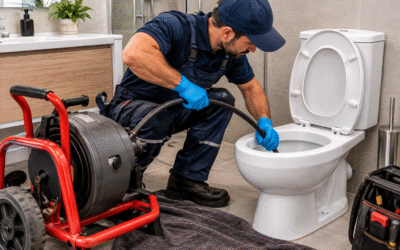
A drain camera inspection involves inserting a small, waterproof, high-definition camera into your drainage system. The camera travels through the pipes, transmitting real-time video to a monitor, allowing the plumber to see exactly what is happening inside. This method is far more accurate than traditional plumbing techniques because it can pinpoint the location of blockages, cracks, pipe collapses, tree root intrusions, and corrosion. Modern cameras also include sonar and laser measuring tools to assess pipe diameter changes and detect minor cracks before they escalate into major failures. For more detailed guidance on preventive maintenance, you can check plumbing maintenance services.

Why is a Drain Camera Inspection important for blocked drains?
Blocked drains are a common problem in both residential and commercial settings. A drain camera inspection provides a clear picture of what is causing the blockage—be it grease buildup, foreign objects, or tree roots. Traditional methods, like using a plunger or chemical cleaners, often treat symptoms without identifying the root cause. By detecting the exact location and nature of the blockage, plumbers can recommend targeted solutions, saving time, money, and the risk of recurring problems. This is especially useful in regions like Gauteng, where urban tree root growth can often invade pipes. Learn more about solutions at blocked drains Gauteng.
Can a camera inspection detect cracks and structural damage?
Yes, one of the primary benefits of a drain camera inspection is its ability to detect structural damage within pipes. Cracks, fractures, and joint separations can be hard to identify without visual inspection. Even minor cracks can eventually lead to leaks, water damage, or pipe collapses if left untreated. The high-definition cameras can also capture still images and videos for documentation, which can be essential for insurance claims or planning repairs. Early detection allows for cost-effective fixes such as pipe relining, rather than full excavation.
How does a camera inspection help with pipe failures?
Pipe failures can happen suddenly and often without warning signs. A drain camera inspection helps prevent unexpected failures by identifying vulnerabilities like corrosion, root intrusion, and sagging sections of pipe. By analyzing the video footage, plumbers can recommend either immediate repairs or long-term preventative solutions. This proactive approach reduces water wastage, structural damage, and emergency plumbing costs. Additionally, camera inspections are useful before major renovations to ensure that existing pipes will support the new construction. Consider learning about finance your renovations for projects that may require upgrading your pipes.

What types of pipes can be inspected using a drain camera?
Drain camera inspections can be conducted on virtually all pipe types, including PVC, copper, cast iron, and clay. The flexibility of modern camera cables allows for navigating bends, elbows, and vertical pipes. Some systems even use robotic cameras for larger commercial drains or severely damaged pipes. Whether you’re dealing with old pipes in a heritage building or modern plumbing installations, the inspection provides clear insights without unnecessary excavation. For information on professional installations, check plumbing installations.
| Pipe Type | Common Use Cases | Suitable for Drain Camera Inspection | Notes |
|---|---|---|---|
| PVC Pipes | Modern residential and commercial plumbing | Yes | Smooth interior makes blockages and cracks easy to detect |
| Copper Pipes | Older homes, geysers, and water supply lines | Yes | Cameras help identify corrosion and joint failures |
| Cast Iron | Older buildings and underground drainage systems | Yes | Ideal for detecting rust, scale buildup, and fractures |
| Clay Pipes | Heritage properties and old sewer connections | Yes | Cameras are essential for spotting root intrusion and collapses |
| Concrete Pipes | Commercial and municipal drainage systems | Yes | Often inspected with larger or robotic camera systems |
How long does a typical drain camera inspection take?
The duration of a drain camera inspection depends on the complexity and length of the plumbing system. A standard residential inspection usually takes between 30 minutes to 2 hours, while larger commercial systems may take longer. The process involves inserting the camera, recording footage, identifying problem areas, and providing a detailed report. Unlike traditional exploratory methods, drain camera inspections are fast, minimally invasive, and often allow the property to remain fully operational during the procedure.
Can drain camera inspections prevent future plumbing emergencies?
Absolutely. Drain camera inspections are not only diagnostic tools but also preventative measures. By identifying early signs of wear and tear, corrosion, and minor blockages, you can address issues before they escalate into emergencies like burst geysers or pipe collapses. Routine inspections are recommended for older properties, high-traffic commercial properties, and areas with known plumbing challenges. For guidance on emergency situations like geyser failures, see burst geyser repairs.

How do plumbers document and use the inspection results?
Plumbers typically document the results of a drain camera inspection using video footage and high-resolution images. The recorded material provides a clear visual record of pipe conditions, which can be shared with property owners, insurance providers, or renovation contractors. Many plumbers provide a full report that includes recommendations for repairs, cost estimates, and preventative maintenance tips. This documentation ensures transparency and allows informed decision-making for both immediate and long-term plumbing solutions.
What are the limitations of a drain camera inspection?
While drain camera inspections are highly effective, they do have limitations. Extremely narrow or heavily damaged pipes may prevent the camera from passing through certain sections. Additionally, some types of debris, such as thick grease or sludge, can temporarily obscure the camera lens, requiring multiple passes or complementary techniques. Nevertheless, when combined with other tools like hydro jetting or sonar equipment, these inspections offer a near-complete picture of pipe health.
How to choose the right plumber for a drain camera inspection?
Selecting a qualified plumber is critical to getting accurate results from a drain camera inspection. Look for certified, experienced professionals who have advanced camera equipment, clear reporting systems, and a strong track record in both residential and commercial plumbing. Reviews, service guarantees, and adherence to safety standards are also important considerations. For information on professional standards and safety, you can refer to Savvy Health and Safety. A competent plumber not only identifies existing problems but also provides advice on preventing future blockages, cracks, and pipe failures.
Drain Camera Inspection FAQ
What is a Drain Camera Inspection and how does it work?
A drain camera inspection involves inserting a small, waterproof, high definition camera into your drainage system. The camera travels through the pipes and transmits real time video to a monitor so the plumber can see exactly what is happening inside. This method is more accurate than traditional plumbing techniques because it can pinpoint the location of blockages, cracks, pipe collapses, tree root intrusions, and corrosion. Modern cameras can also include sonar and laser measuring tools to assess pipe diameter changes and detect minor cracks before they escalate into major failures. For more detailed guidance on preventive maintenance, you can check our plumbing maintenance services.
Why is a Drain Camera Inspection important for blocked drains?
Blocked drains are a common problem in both residential and commercial settings. A drain camera inspection provides a clear picture of what is causing the blockage, whether it is grease buildup, foreign objects, or tree roots. Traditional methods like plungers or chemical cleaners often treat the symptoms without identifying the root cause. By detecting the exact location and nature of the blockage, plumbers can recommend targeted solutions that save time, money, and reduce the risk of recurring problems. This is especially useful in regions like Gauteng, where urban tree root growth often invades pipes. Learn more about solutions at blocked drains Gauteng.
Can a camera inspection detect cracks and structural damage?
Yes. One of the primary benefits of a drain camera inspection is its ability to detect structural damage within pipes. Cracks, fractures, and joint separations can be hard to identify without visual inspection. Even minor cracks can eventually lead to leaks, water damage, or pipe collapses if left untreated. High definition cameras can also capture still images and videos for documentation, which is useful for insurance claims or planning repairs. Early detection allows for cost effective fixes such as pipe relining instead of full excavation.
How does a camera inspection help with pipe failures?
Pipe failures can happen suddenly and often without warning signs. A drain camera inspection helps prevent unexpected failures by identifying vulnerabilities like corrosion, root intrusion, and sagging sections of pipe. By analyzing the video footage, plumbers can recommend immediate repairs or long term preventative solutions. This proactive approach reduces water wastage, structural damage, and emergency plumbing costs. Camera inspections are also useful before major renovations to ensure that existing pipes will support the new construction. If your project involves upgrades, you can also finance your renovations.
What types of pipes can be inspected using a drain camera?
Drain camera inspections can be carried out on almost all pipe types, including PVC, copper, cast iron, and clay. The flexibility of modern camera cables allows them to navigate bends, elbows, and vertical sections. Some systems even use robotic cameras for larger commercial drains or severely damaged pipes. Whether you are dealing with old pipes in a heritage building or modern plumbing installations, the inspection provides clear insights without unnecessary excavation. For information on professional installations, see our plumbing installations.
How long does a typical drain camera inspection take?
The duration of a drain camera inspection depends on the complexity and length of the plumbing system. A standard residential inspection usually takes between 30 minutes and 2 hours, while larger commercial systems may take longer. The process involves inserting the camera, recording footage, identifying problem areas, and providing a detailed report. Compared to traditional exploratory methods, drain camera inspections are fast, minimally invasive, and usually allow the property to remain fully operational during the procedure.
Can drain camera inspections prevent future plumbing emergencies?
Yes. Drain camera inspections are not only diagnostic tools but also powerful preventative measures. By identifying early signs of wear and tear, corrosion, and minor blockages, you can address issues before they escalate into emergencies such as burst geysers or pipe collapses. Routine inspections are recommended for older properties, high traffic commercial properties, and areas with known plumbing challenges. For guidance on emergency situations like geyser failures, visit burst geyser repairs.
How do plumbers document and use the inspection results?
Plumbers usually document the results of a drain camera inspection using video footage and high resolution images. The recorded material provides a clear visual record of pipe conditions that can be shared with property owners, insurance providers, or renovation contractors. Many plumbers supply a full report that includes repair recommendations, cost estimates, and preventative maintenance tips. This documentation ensures transparency and supports informed decisions for both immediate and long term plumbing solutions.
What are the limitations of a drain camera inspection?
While drain camera inspections are highly effective, they do have limitations. Extremely narrow or heavily damaged pipes may prevent the camera from passing through certain sections. Some types of debris, such as thick grease or sludge, can temporarily obscure the camera lens, which may require multiple passes or complementary techniques. When combined with other tools like hydro jetting or sonar equipment, however, these inspections still offer a near complete picture of pipe health.
How to choose the right plumber for a drain camera inspection?
Choosing a qualified plumber is critical to getting accurate results. Look for certified, experienced professionals who use advanced camera equipment, provide clear reporting, and have a strong track record in both residential and commercial plumbing. Reviews, service guarantees, and adherence to safety standards are important considerations. For information on professional standards and safety, you can refer to Savvy Health and Safety. A competent plumber will not only identify existing problems but also give advice on preventing future blockages, cracks, and pipe failures.