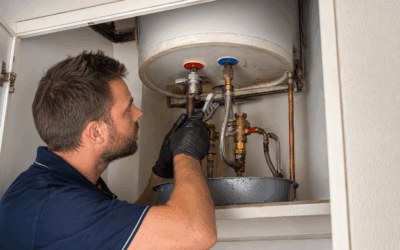
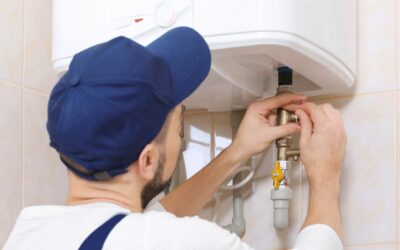
A gas geyser provides hot water on demand without storing a full tank of heated water. For South African homeowners looking to reduce dependence on electricity and maintain access to hot water during power interruptions, a gas geyser can be an attractive alternative to a traditional electric geyser.
This guide explains how gas geysers work, what they cost, their advantages and disadvantages, installation requirements and whether a gas geyser is worth it for your home.
How Does a Gas Geyser Work?
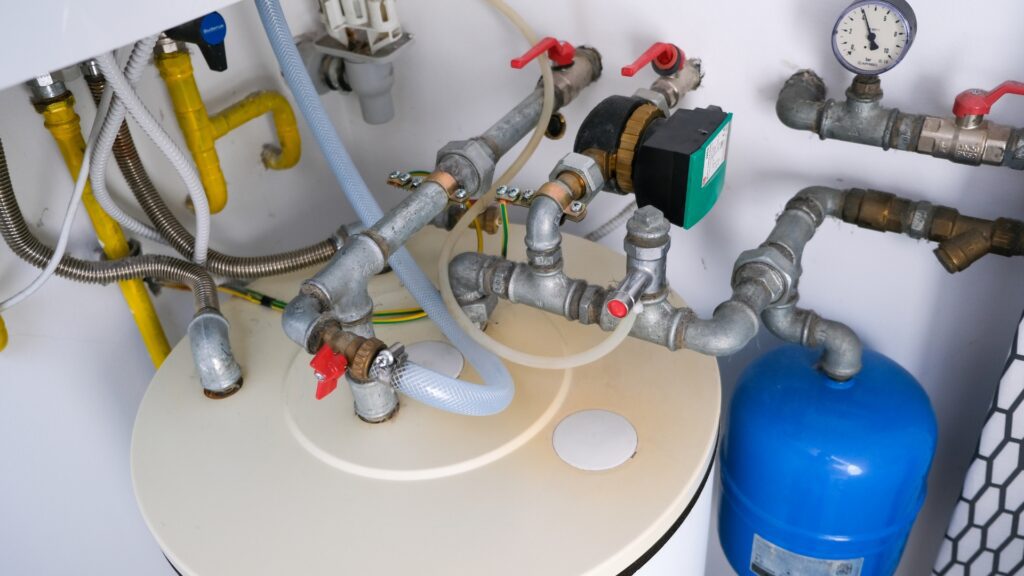
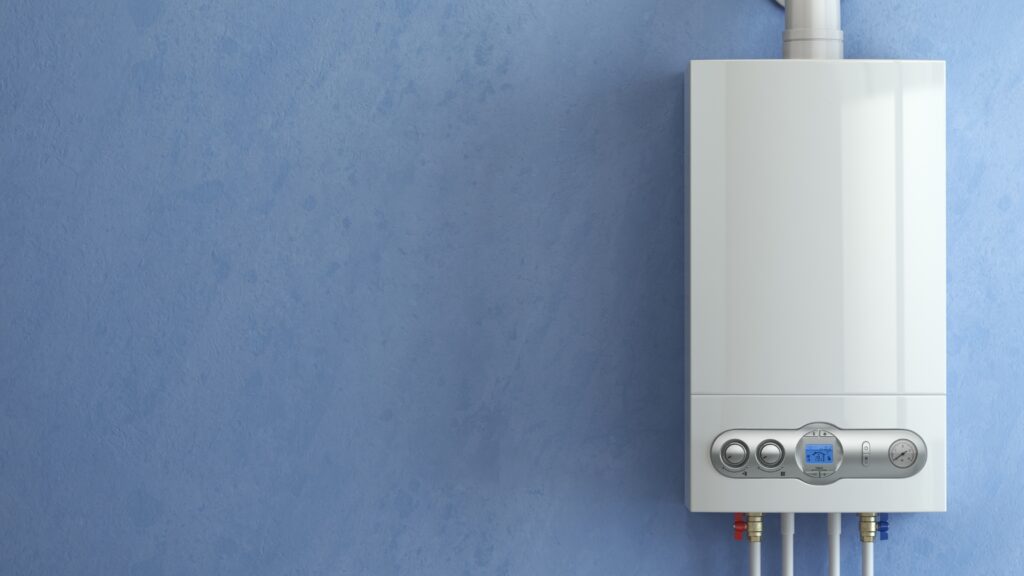
A gas geyser is a tankless, on-demand water heater that heats water as it flows through the unit. Unlike a traditional storage geyser, it does not keep a full cylinder of water hot throughout the day. Instead, it activates when a hot tap is opened and heats the water instantly.
When hot water is needed, water begins flowing through the system, the burner ignites automatically, and the water is heated as it passes through the unit. When the tap closes, the system switches off. This helps reduce unnecessary energy use because gas is only used when hot water is required.
A professional geyser installation ensures that the unit is correctly sized, safely connected and suitable for the property’s hot water demand. This is especially important for gas units, where gas pressure, ventilation and compliance must be handled correctly.
Why Geyser Installation Is Increasing in South Africa
Geyser installation needs have changed as more homeowners look for reliable, energy-conscious and loadshedding-friendly hot water solutions. Many households are no longer only replacing old geysers with the same type of system. Instead, they are comparing electric, gas and solar options based on running costs, reliability and daily hot water demand.
Gas geysers have become popular because they offer on-demand hot water and can continue operating during power interruptions when correctly installed. They are also compact, wall-mounted and suitable for many homes, apartments and commercial spaces where ceiling space is limited.
For homeowners comparing energy-efficient hot water options, Savvy Plumbing also provides information on solar geysers, which may be suitable for properties looking to reduce long-term electricity reliance.
Key Benefits of Professional Geyser Installation
More Reliable Hot Water
A correctly completed geyser installation helps ensure that your hot water system can support your household’s daily needs. Whether the system is electric, gas or solar, proper sizing and placement are essential for reliable performance.
Better Safety and Compliance
Geysers involve water, pressure, heat and, in the case of gas units, fuel supply and ventilation. Professional installation helps reduce the risk of leaks, pressure faults, poor ventilation or unsafe connections.
Improved Efficiency
When a geyser is installed correctly, it can operate more efficiently. Incorrect placement, poor pipe routing, unsuitable sizing or faulty connections can affect performance and increase running costs over time.
Long-Term Protection
A quality geyser installation helps protect the surrounding structure from water damage. Proper overflow routing, pressure control and secure connections all reduce the risk of leaks and future repair costs.
Types of Geyser Installation Options
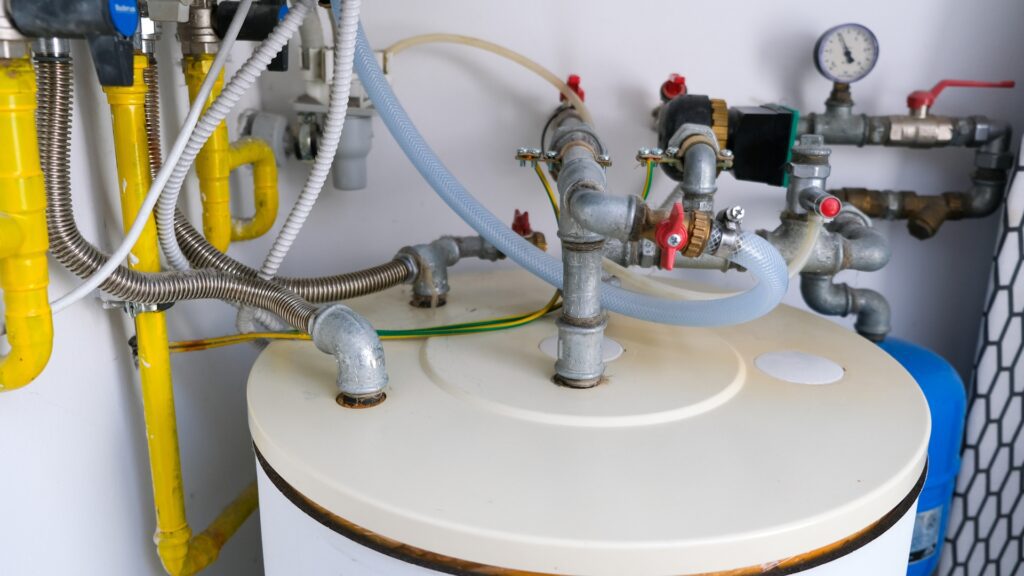
The right geyser installation depends on the property size, hot water demand, available energy source and installation environment. A small household may need a different system from a larger home with multiple bathrooms or several hot water outlets being used at the same time.
| Geyser Installation Option | Best For | Key Consideration |
|---|---|---|
| Electric geyser installation | Homes with existing electric geyser infrastructure | Relies on grid power and must be safely connected |
| Gas geyser installation | Homes needing on-demand hot water during power interruptions | Requires correct ventilation, gas pressure and compliance |
| Solar geyser installation | Homes looking to reduce electricity use over time | Requires suitable roof space and system planning |
| High-demand installation | Larger homes or multiple bathrooms | System must be correctly sized for simultaneous use |
| Replacement geyser installation | Old, leaking or inefficient systems | Existing pipework, valves and pressure control should be checked |
What Is Included in Professional Geyser Installation?
A professional geyser installation involves more than simply placing the unit on a wall or connecting it to existing pipework. The installer must check the property’s hot water needs, confirm the correct system size and make sure the installation meets safety requirements.
Depending on the type of geyser, installation may include:
- Site inspection and geyser sizing assessment
- Secure mounting or placement of the geyser unit
- Water supply and hot water pipe connections
- Pressure control and valve checks
- Drainage and overflow routing
- Gas line connection for gas geysers
- Ventilation and flue compliance where required
- Leak testing and performance checks
- Certificate of Compliance where applicable
For broader installation work, Savvy Plumbing offers professional plumbing installations to support geysers, fixtures, water points, drainage and property plumbing upgrades.
Gas Geyser Installation and Safety Requirements
Gas geyser installation must be handled carefully because it involves gas supply, combustion, water heating and ventilation. The unit must be positioned correctly, connected safely and tested properly before use.
Safe installation includes checking gas pressure, ensuring proper air supply, confirming correct flue placement and testing for leaks. In South Africa, gas installations must comply with relevant safety requirements and may require a Gas Certificate of Compliance.
For gas-related work, homeowners should use qualified professionals. Savvy Plumbing also provides gas installations to help ensure gas systems are installed safely and correctly.
Geyser Installation Costs in South Africa
Geyser installation costs in South Africa vary depending on the type of system, unit size, location, existing pipework and installation complexity. A straightforward replacement may cost less than a new installation that requires additional plumbing, gas lines, ventilation or structural adjustments.
Cost factors may include the geyser type, capacity, labour, valves, fittings, mounting, pipe changes, gas supply setup, pressure regulation and any compliance requirements. Because each property is different, a professional assessment is the best way to get accurate pricing.
If a geyser installation forms part of a larger bathroom, kitchen or home upgrade, homeowners may also consider options to finance your renovations.
Is Geyser Installation Right for Your Home?
A new geyser installation may be right for your home if your current system is old, leaking, inefficient, too small or no longer suited to your household’s needs. It may also be worth considering if you are renovating, adding bathrooms, upgrading hot water supply or looking for better performance during power interruptions.
You may need a geyser installation or replacement if you experience:
- Frequent hot water shortages
- High electricity use from an old geyser
- Leaks around the geyser or overflow
- Rust, corrosion or visible damage
- Inconsistent water temperature
- Repeated pressure or valve problems
- A need for hot water during power interruptions
If your existing geyser has burst or is leaking, a replacement may be urgent. Savvy Plumbing can assist with burst geyser repairs to help reduce water damage and restore safe hot water access.
How to Prepare for a Geyser Installation
Before installing a new geyser, it is important to understand your household’s hot water needs. Consider how many people live in the home, how many bathrooms are used, whether multiple taps run at the same time and whether the geyser will support showers, baths, kitchens or laundry areas.
You should also check where the geyser will be installed, whether the area has safe access, whether existing pipework is in good condition and whether electrical or gas requirements can be met safely. A professional installer can confirm these details during the assessment.
Why Professional Geyser Installation Matters
Professional geyser installation matters because mistakes can lead to leaks, pressure faults, poor performance, safety risks and property damage. A geyser is not a simple appliance that should be fitted without proper knowledge. It must be connected to water supply, pressure systems, overflow drainage and, depending on the type, electricity or gas.
A qualified installer can ensure that the system is suitable for the property and installed according to the correct safety requirements. This helps protect your home, your hot water supply and your long-term maintenance costs.
Frequently Asked Questions About Geyser Installation
What is included in geyser installation?
Geyser installation can include site assessment, system sizing, secure mounting, water pipe connections, pressure control, valve checks, overflow routing, leak testing and compliance checks. Gas geyser installation may also include gas line connection, ventilation checks and a Gas Certificate of Compliance.
Does gas geyser installation work during loadshedding?
Yes, many gas geysers can provide hot water during loadshedding because they do not rely on a traditional electric storage cylinder. The system must still be correctly installed, safely ventilated and properly sized for the property.
How much does geyser installation cost in South Africa?
The cost of geyser installation depends on the geyser type, unit size, installation location, labour, pipework adjustments, compliance requirements and whether the system is electric, gas or solar. A professional assessment is the best way to confirm accurate pricing.
Can one geyser supply multiple bathrooms?
Yes, one geyser can supply multiple bathrooms if it is correctly sized and installed for the property’s hot water demand. Larger homes may need a higher-capacity system or a more advanced installation plan.
Is a Certificate of Compliance required for gas geyser installation?
Yes, gas geyser installation may require a Gas Certificate of Compliance to confirm that the system meets safety and legal requirements. This should be handled by a qualified gas installer.
For geyser installation, gas geyser upgrades, repairs or professional hot water system support, contact Savvy Plumbing for practical advice and reliable installation assistance.