
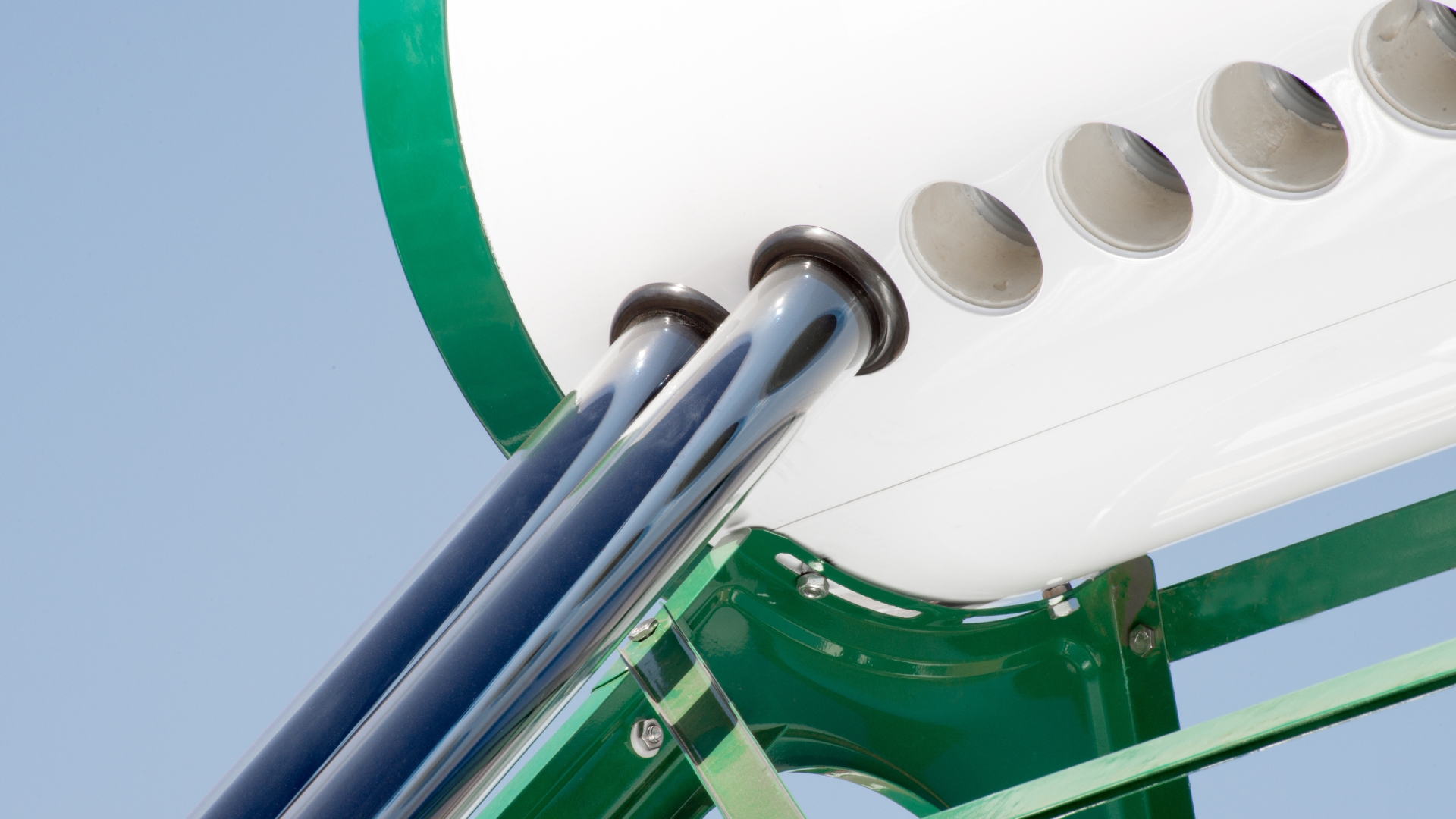
Solar geyser installation can help homeowners reduce electricity use, improve hot water efficiency and make better long-term decisions about how water is heated at home. Because a geyser is one of the biggest energy users in many households, switching to a solar water heating system can be a practical upgrade when it is planned correctly. However, the success of the system depends on more than simply placing a solar collector on the roof. Homeowners need to think about roof position, hot water demand, system size, plumbing compatibility, backup heating, installation quality and long-term maintenance before making the change.
Why should homeowners consider solar geyser installation?
Homeowners should consider solar geyser installation because it uses sunlight to help heat water, which can reduce dependence on electricity for daily hot water needs. In a home where showers, baths, washing and cleaning all rely on hot water, the geyser can place a steady load on electricity usage. A solar geyser system can help reduce this load by using solar energy during daylight hours. It may also be useful for households looking for a more efficient long-term water heating solution, especially where electricity costs are a concern. The right system can support daily comfort while helping the home become less dependent on conventional electrical heating. Savvy Plumbing’s solar geyser services can support homeowners who want the system assessed, installed or maintained properly.
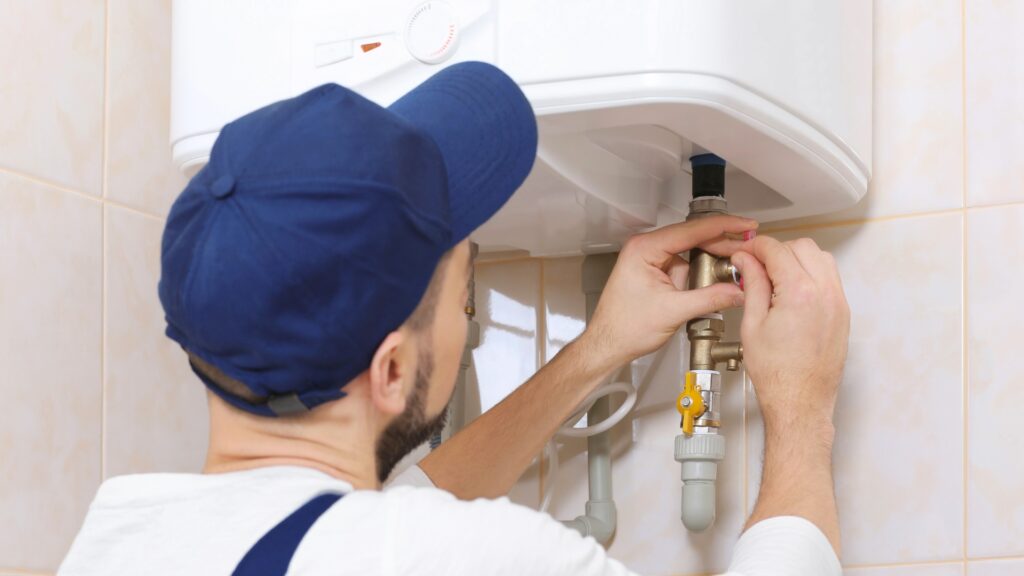
How does a solar geyser work?
A solar geyser works by using solar collectors or panels to absorb heat from the sun and transfer that heat to water stored in a geyser tank. The exact setup depends on the type of system installed. Some systems use evacuated tubes, while others use flat plate collectors. Water may circulate directly through the collectors or through a heat transfer system, depending on the design. Many homes also use an electrical backup element so that hot water is still available during cloudy weather, heavy usage or periods with limited sunlight. A basic understanding of solar water heating can help homeowners see why placement, sizing and plumbing design all matter. Solar geyser installation should always be planned around the home’s actual hot water demand, not only the available roof space.
What must be checked before solar geyser installation starts?
Before solar geyser installation starts, the home’s roof, plumbing system, geyser position, water pressure, hot water demand and electrical backup requirements should be assessed. The roof must be strong enough to support the system and positioned to receive enough sunlight during the day. The existing plumbing layout must also be checked to see whether the solar geyser can connect efficiently to the home’s hot water points. If the existing geyser is old, leaking or incorrectly installed, it may need to be replaced or upgraded as part of the project. The installer should also check pressure control, pipe routes, valves, overflow arrangements and access for future maintenance. Professional plumbing installations are important because the solar system must work safely with the home’s existing water supply.
| Pre-Installation Check | Why It Matters |
|---|---|
| Roof strength | The roof must safely support the collector and system components |
| Sun exposure | Good sunlight improves heating performance |
| Hot water usage | The system must be sized for the household’s needs |
| Existing geyser condition | Old or damaged geysers may not be suitable for integration |
| Water pressure | Correct pressure supports safe and reliable system operation |
| Maintenance access | The system should be reachable for future checks and repairs |
What type of home is suitable for solar geyser installation?
A home may be suitable for solar geyser installation if it has enough roof space, good sun exposure and a plumbing layout that can support the system. Homes with north-facing roof sections are often well positioned in South Africa, but the exact suitability depends on shade, roof pitch, surrounding buildings, trees and the location of the existing geyser. A household with consistent hot water use may benefit more from a properly sized system than a home with very low usage. The number of people in the home, bathing habits, laundry routines and kitchen hot water use should all be considered. A professional assessment helps determine whether a solar geyser is practical, where it should be installed and whether the current plumbing system needs adjustments before installation.
How do you choose the right size solar geyser?
The right size solar geyser depends on how many people live in the home and how much hot water is used each day. A system that is too small may not provide enough hot water during busy periods, while a system that is too large may cost more than necessary. Homeowners should consider the number of bathrooms, shower usage, bath usage, laundry demand and whether hot water is used heavily in the kitchen. The installer should recommend a system size based on real household demand instead of guessing. A larger family home may need a bigger storage tank and collector capacity, while a smaller household may only need a more modest system. Correct sizing is one of the most important parts of solar geyser installation because it affects comfort, cost, efficiency and long-term satisfaction.
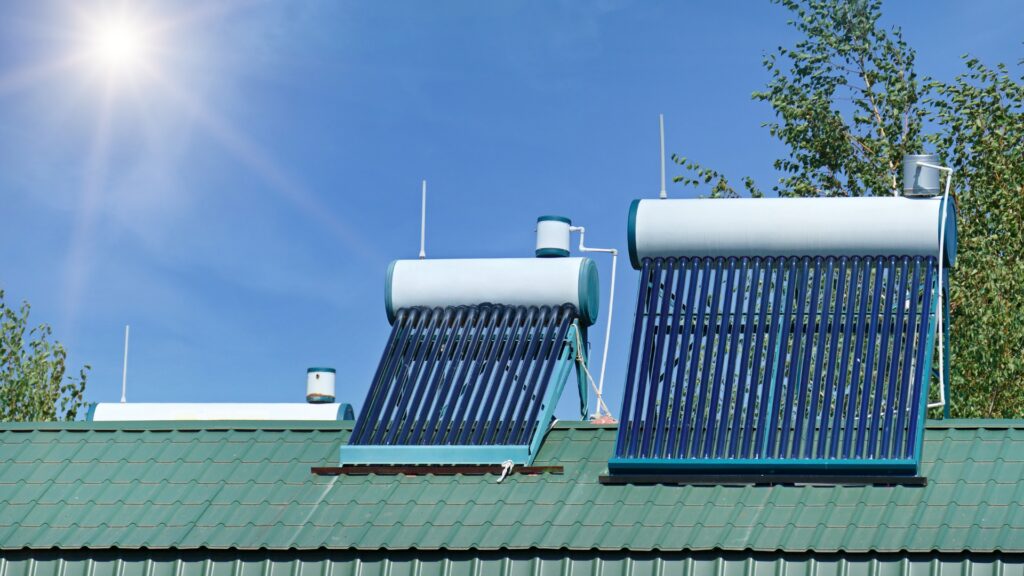
What is the difference between direct and indirect solar geyser systems?
The difference between direct and indirect solar geyser systems comes down to how water is heated and circulated. In a direct system, household water moves through the solar collector and is heated directly by the sun. In an indirect system, a separate heat transfer fluid moves through the collector and transfers heat to the water in the geyser through a heat exchanger. The best option depends on climate, water quality, system design and installation requirements. Some systems may be better suited to certain areas or roof layouts than others. Homeowners do not need to become technical experts, but they should understand that not all systems work in the same way. The installer should explain which system is being recommended, why it suits the property and what maintenance it may need over time.
Can a solar geyser work with an electrical backup?
Yes, a solar geyser can work with an electrical backup, and this is common in many homes. The backup element helps heat water when there is not enough sunlight, during cold or cloudy weather, or when the household uses more hot water than usual. This makes the system more practical because homeowners are not fully dependent on sunlight every day. However, the backup should be set and managed properly so that it supports the system without cancelling out the energy-saving benefit. A timer, thermostat and correct usage habits can help homeowners get better results from the system. If the electrical backup is poorly configured, it may run more than necessary. That is why solar geyser installation should include proper setup and guidance on how to use the system efficiently.
What common mistakes should homeowners avoid with solar geyser installation?
Common mistakes with solar geyser installation include choosing the wrong system size, installing collectors in a shaded position, ignoring roof strength, using poor-quality components, failing to check water pressure and not planning for maintenance access. Another mistake is focusing only on the upfront cost instead of the quality of the system and installation. A badly installed solar geyser may leak, underperform, damage the roof or create ongoing repair problems. Homeowners should also avoid assuming that every home is automatically suitable without an inspection. The plumbing layout, roof position and hot water usage must all be considered. Professional planning can prevent issues that may only become visible after the system is already installed.
- Do not choose a system without checking daily hot water demand.
- Do not install collectors where they will be heavily shaded.
- Do not ignore the condition of the existing geyser and pipework.
- Do not allow poor roof sealing around installation points.
- Do not forget about future maintenance access.
- Do not rely only on price when comparing installation options.
How should a solar geyser be maintained after installation?
After installation, a solar geyser should be checked regularly to make sure the system is working safely and efficiently. Maintenance may include checking valves, pipework, insulation, roof seals, collector condition, pressure control, electrical backup settings and any signs of leaks. Homeowners should watch for changes in water temperature, dripping overflow pipes, unusual noises, damp ceilings or reduced hot water performance. Like any plumbing system, a solar geyser can develop wear over time, especially if it is exposed to weather, pressure changes and daily usage. Professional plumbing maintenance services can help identify problems early and protect the system’s long-term performance.
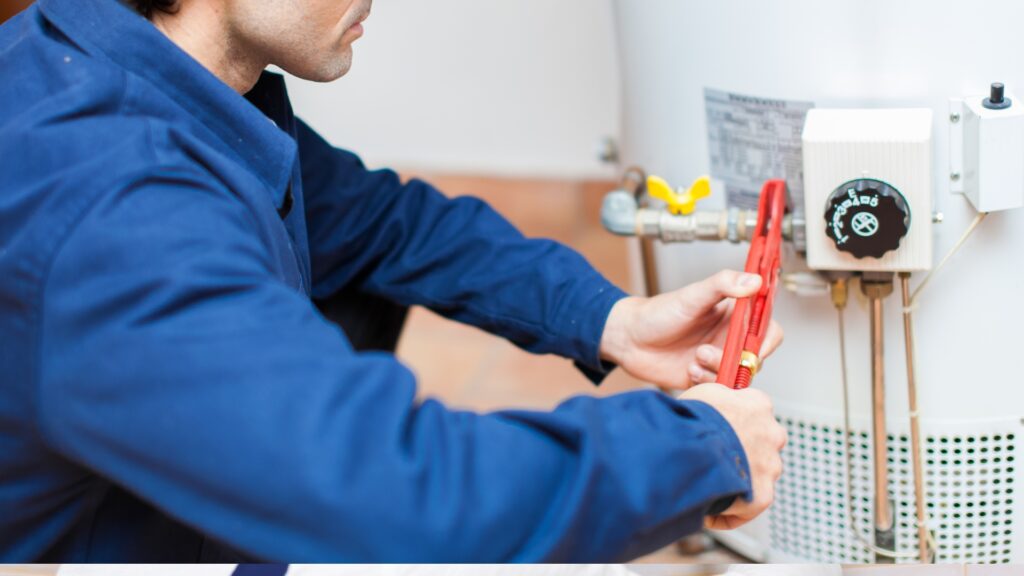
When should homeowners call a plumber for solar geyser installation?
Homeowners should call a plumber for solar geyser installation when they are ready to assess whether their property is suitable, replace an old geyser, upgrade hot water efficiency or plan a new plumbing installation as part of a renovation. A professional plumber can inspect the existing system, advise on installation requirements, check water pressure, plan pipe routes and make sure the system is installed safely. This is especially important if the home has an older geyser, previous leaks, low water pressure or roof access challenges. Where a current geyser is already leaking or failing, it may be necessary to deal with urgent burst geyser repairs before planning the upgrade. With the right advice and installation, a solar geyser can become a reliable and efficient part of the home’s plumbing system.


