
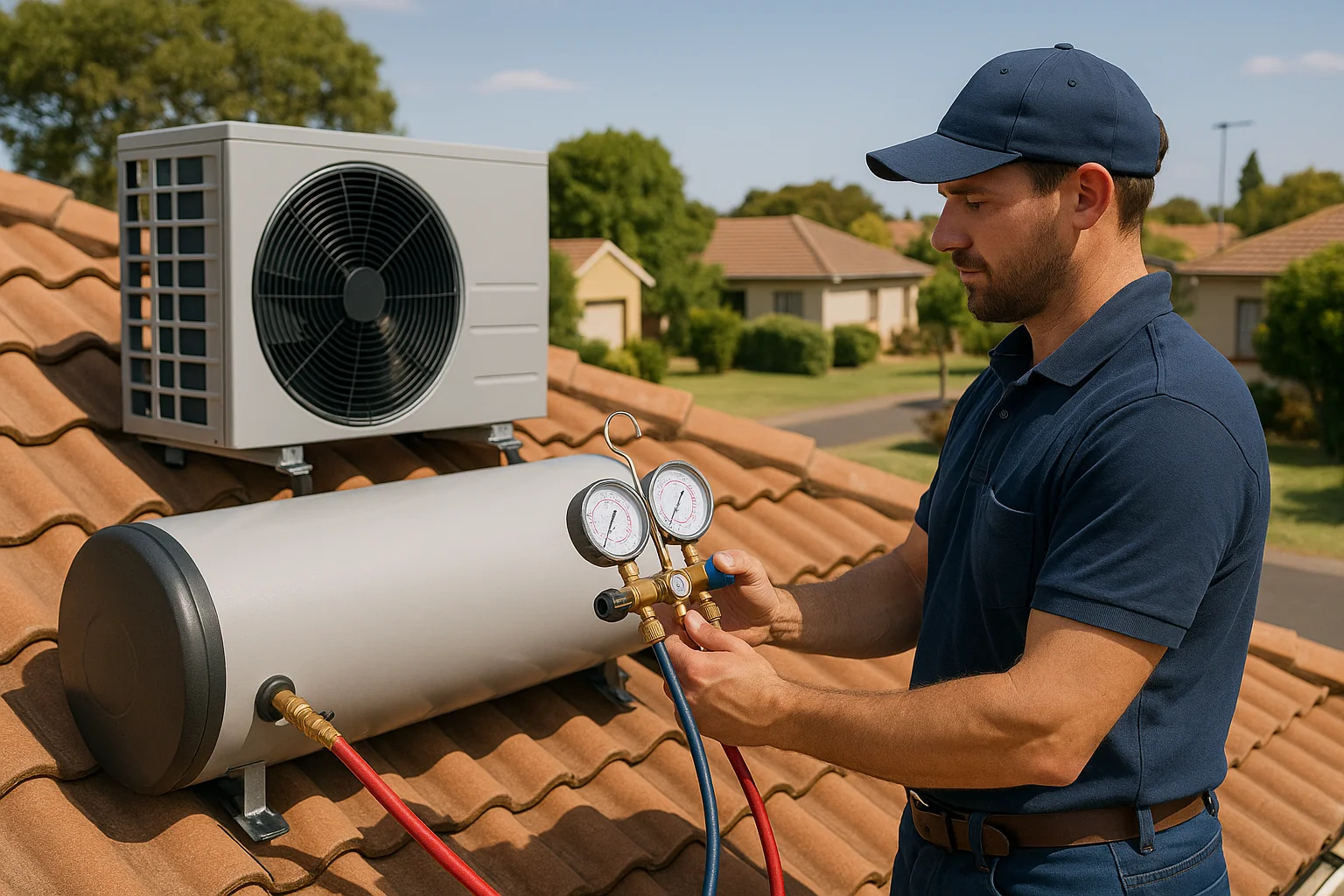
A heat pump can dramatically reduce the cost of water heating and home climate control for South African households and businesses while lowering carbon emissions and improving reliability.
What is a heat pump and how does it work?
A heat pump is a device that moves heat from one place to another using a refrigeration cycle. Rather than generating heat by burning fuel or using electric resistance, the heat pump extracts heat from ambient air, ground or even water and concentrates it to heat a home or a hot water cylinder. This process makes a heat pump much more energy-efficient than traditional electric heating methods.
Technically, the system circulates a refrigerant that evaporates at low temperature and pressure, is compressed to raise its temperature, and then condenses to release heat into the domestic hot water cylinder or living space. For more background information see the Wikipedia article on heat pumps.
Why choose a heat pump for South Africa — benefits and local context?
South Africa’s high electricity prices and widespread use of electric geysers make heat pumps a compelling upgrade. A heat pump reduces running costs, helps manage peak demand on the grid, and integrates well with solar PV and borehole water projects commonly used in residential and commercial plumbing projects across the country. Installers who provide plumbing installations and commercial plumbing services often recommend heat pumps when customers seek long-term savings and lower carbon footprints.
Beyond cost savings, benefits include quieter operation, reduced load on backup generators in remote properties, and compatibility with smart energy management systems used in modern renovations and construction plumbing. Combining a heat pump with solar thermal or PV can further accelerate payback and energy independence.
How much does heat pump installation cost in South Africa?
Heat pump installation costs vary by system size, type (air-source vs ground-source), cylinder size, site access and whether you’re retrofitting an existing geyser. Typical ranges for a domestic air-source heat pump plus indirect cylinder and installation can be between ZAR 18,000 to ZAR 45,000, while larger commercial systems and ground-source installs are significantly higher due to excavation and trenching.
Costs include: the heat pump unit, an appropriately sized hot-water cylinder (or conversion kit), labour for plumbing and electrical works, and any civil works such as brackets, pipe runs or trenching. For replacement geyser and rapid burst geyser repair or replacement scenarios, integrating a heat pump can sometimes be done at marginal additional cost — plumbers experienced in burst geyser repairs will assess cylinder condition and advise. For professional plumbing installations check our plumbing installations page.
How much will I save — energy savings and payback?
Savings depend on your current geyser use, electricity tariff, household hot water demand and whether you pair the heat pump with solar PV. Heat pumps typically use one unit of electricity to move several units of heat energy, making them much more efficient than resistive geysers.
According to the International Energy Agency (IEA), heat pumps can deliver 2–4 times the heat energy per unit of electricity consumed compared with electric resistance heating, depending on system type and conditions. According to the South African Department of Energy, water heating can represent up to 40% of household electricity consumption, so replacing a resistive geyser with a heat pump can produce large bill reductions. According to the Energy Saving Trust, homeowners can typically reduce hot water energy use by around 60% when switching to a modern heat pump system.
Typical payback periods in South Africa range from 2 to 6 years depending on usage and energy prices. Businesses with commercial plumbing needs should evaluate load profiles and consider maintenance contracts to protect the investment.
Which types of heat pump are available and which suits my property?
The main types are air-source heat pumps (ASHP), ground-source heat pumps (GSHP, also known as geothermal) and water-source heat pumps. For most South African homes, air-source heat pumps are the most cost-effective due to lower installation complexity. Ground-source systems require trenching or boreholes and are often used in new builds or large commercial properties where higher upfront costs can be justified by efficiency gains.
Consider climatic conditions, available space, noise sensitivity (ASHP outdoor units produce low sound), and whether you already use borehole water — which can enable water-source options. Commercial plumbing and industrial projects should evaluate ground-source options where consistent high-efficiency heating is required. Consult certified plumbers who offer full-service plumbing and construction civils when planning these installations.
How do I size a heat pump for my home or business?
Sizing requires an assessment of hot water demand (litres per day and peak demand), local climate, cylinder insulation and existing pipework. For domestic users, standard recommendations often use cylinder capacity (150–300 L) and the household’s daily hot water usage pattern to determine heat pump output. Commercial systems are sized based on flow rates, recovery time and simultaneous usage patterns.
A thorough survey by a professional will include: measuring existing cylinder dimensions, checking hot water draw patterns, evaluating electrical supply and earthing, and confirming space for the outdoor unit and pipe runs. For homes undergoing renovations, plumbing maintenance services and renovation financing can be planned together to include the heat pump install in the broader project budget; see finance options here.
What does the heat pump installation process look like and how long does it take?
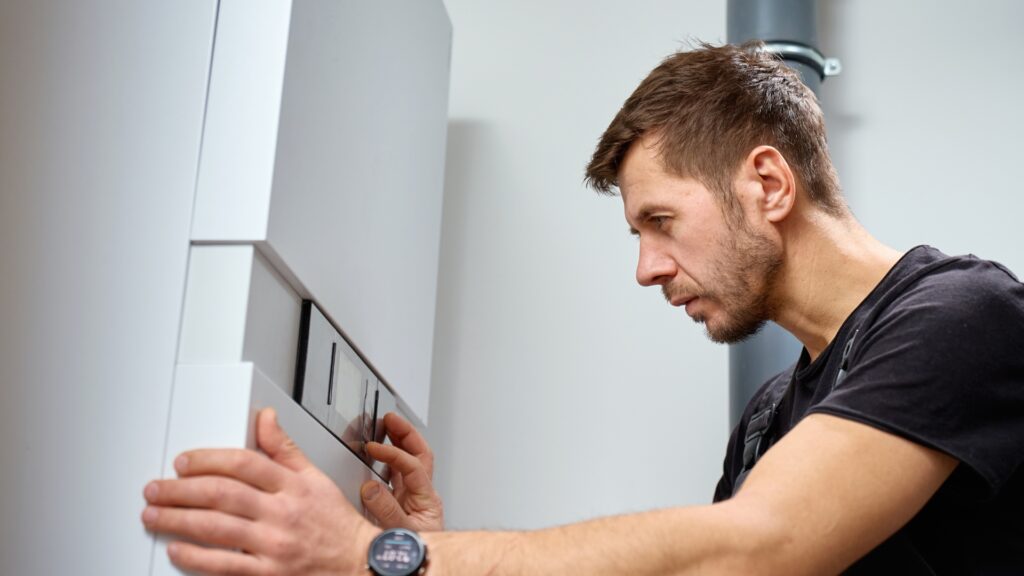
Installation usually progresses through site visit and sizing, ordering equipment, cylinder or conversion works, mounting the outdoor unit, pipework and electrical connections, commissioning, and user training. For a typical domestic air-source heat pump replacing a geyser, an experienced team (including plumbers and electricians) can complete the work in 1–3 days if no major civil work is required.
Larger or ground-source installations can take weeks because of excavation, borehole drilling, or more extensive civil works. It’s important to hire professional and certified plumbers who offer long-term warranties and 24/7 emergency support, particularly if you need burst geyser repairs or rapid replacement during a failure. Skilled teams will also check leak detection and ensure compliance with local regulations.
What maintenance is required and what warranties are typical?
Heat pumps require less maintenance than combustion-based systems, but regular checks are important for long life and efficiency. Maintenance tasks include inspecting electrical connections, checking refrigerant charge and pressure, cleaning filters and coils, ensuring cylinder anode health (if used), and testing controls. Many suppliers offer annual maintenance contracts through plumbing maintenance services to ensure optimal performance.
Warranties commonly cover the compressor for 3–10 years and parts for 1–5 years depending on brand and whether the installation follows manufacturer-approved processes. Always confirm warranty terms, ask about long-term service warranties, and consider a maintenance contract to protect uptime and efficiency.
Can I integrate a heat pump with solar geysers, PV or borehole systems?
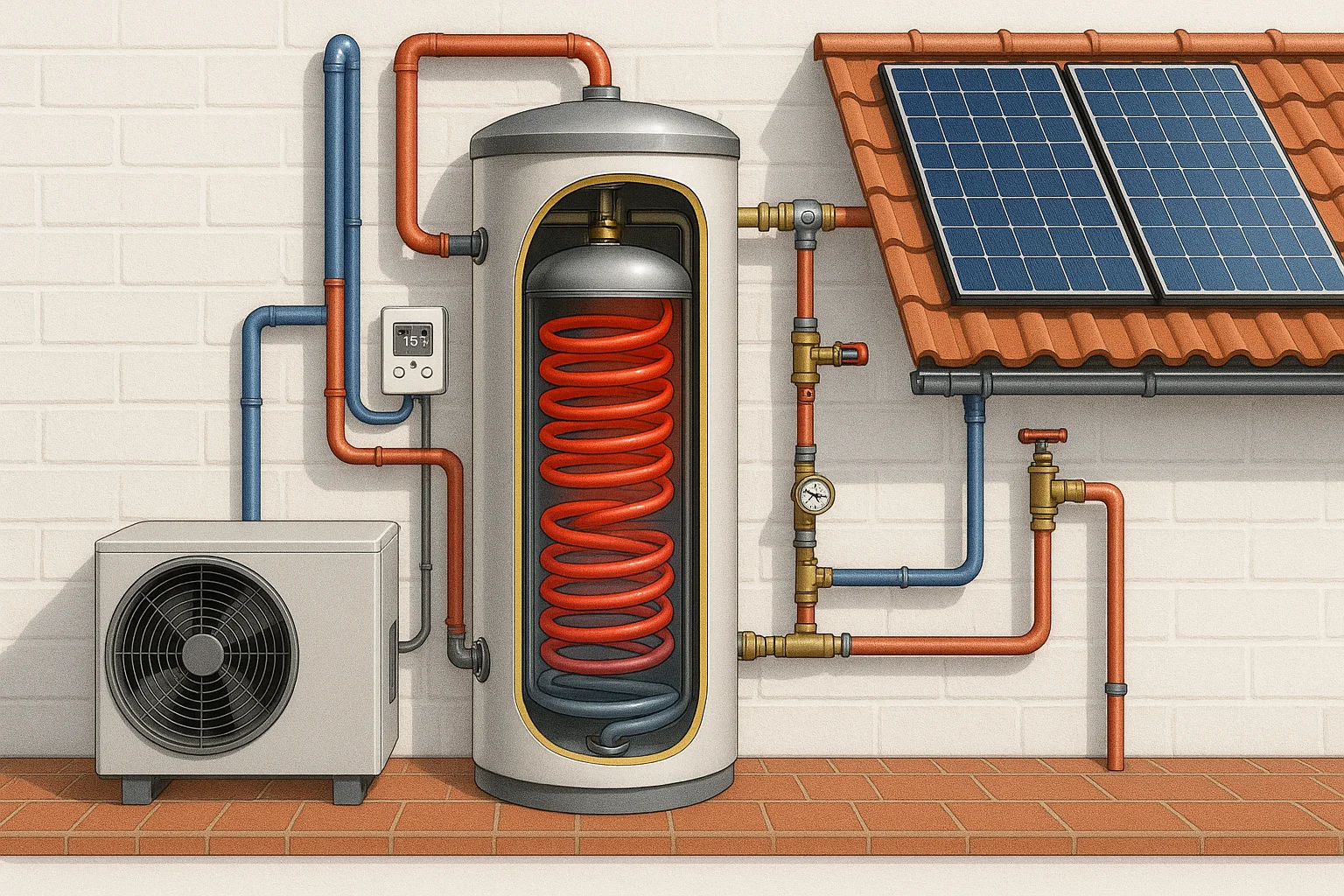
Yes. Heat pumps integrate well with solar PV and solar geyser systems to maximise self-consumption and reduce grid dependence. If you already have solar panels, a heat pump can use excess mid-day generation to heat water at lower marginal cost. Similarly, pairing with a solar geyser or a borehole water supply may influence system choices and efficiency. For combined solar and heat pump solutions, consult specialists in solar geysers and water borehole drilling to design complementary systems.
Integration requires compatible controls and sometimes an intelligent energy manager to prioritise available generation, tariffs and hot water demand. This is common in home renovation plumbing projects where performance, aesthetics and efficiency are all considered together.
Are there rebates, regulations or finance options available in South Africa?
In South Africa, incentives and rebate programs for heat pumps have varied by municipality and over time. It’s important to check current local incentives, municipal rebates or tax incentives that support energy-efficient appliances. Even without rebates, finance options are often available to spread the upfront cost, making heat pump adoption accessible for more households. Look into finance-your-renovations options to combine plumbing and energy upgrades into a single payment plan.
Because heat pumps reduce household electricity consumption substantially, many homeowners find the investment aligns with long-term budget and sustainability goals. For businesses, energy efficiency can also reduce operating costs and qualify for green procurement points in construction projects.
How do I choose a certified installer and what should I ask?
Choose installers with experience across plumbing installations, commercial and residential plumbing, and certifications for HVAC and refrigeration work. Ask for references, evidence of insurance, proof of manufacturer accreditation, and clear written warranties. Confirm they provide 24/7 emergency plumber services for urgent repairs and that they handle leak detection, gas leak detection (if you have gas appliances), and compliance with local safety standards.
Key questions: Do you provide a site survey and detailed quote? Who handles electrical connections? Are civil works included? What is the expected payback and maintenance plan? Can you coordinate with my renovation contractor for tiling, flooring or bathroom installations? Good installers often provide full-service plumbing and civil solutions and can advise on integrating heat pumps with existing systems.
What are common issues after installation and how are they resolved?
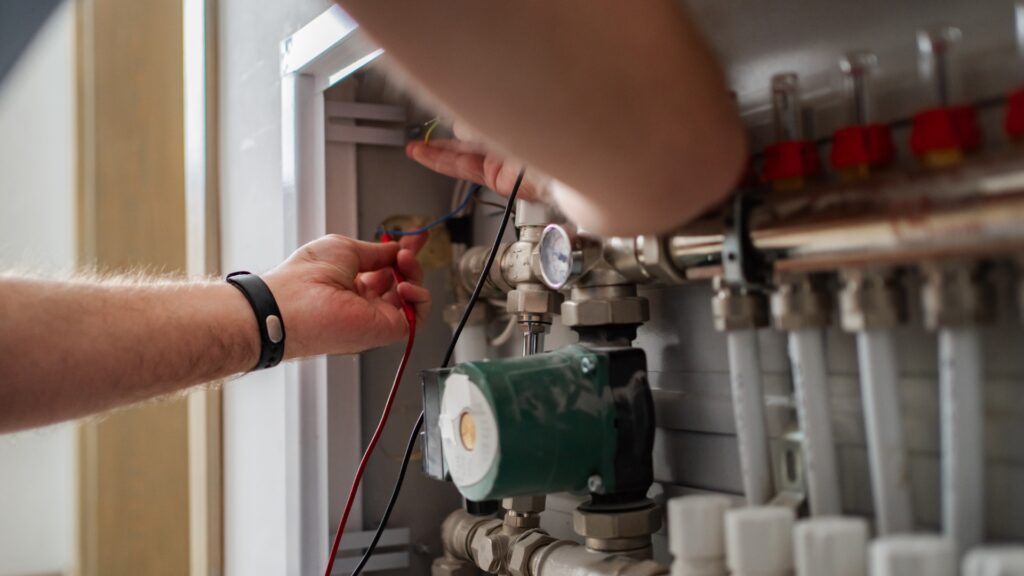
Common issues include noisy operation due to poor mounting, insufficient hot water due to undersizing, refrigerant leaks (rare if professionally installed), or electrical supply limitations. Most of these are preventable with correct design and commissioning. Installers offering comprehensive warranties and maintenance contracts will diagnose and rectify problems quickly. For urgent geyser failures or burst geyser repairs, call a 24/7 emergency plumber to limit water damage and downtime.
Preventive actions include ensuring correct unit sizing, staggered appliance cycles in commercial settings to avoid peak draws, good cylinder insulation and corrosion protection, and regular maintenance checks through a plumbing maintenance services plan.
Should landlords, builders and businesses invest in heat pumps now?
Yes, for many cases. For landlords, installing a heat pump increases rental appeal and can be a selling point for energy-conscious tenants. Builders and contractors should include heat pumps as an option in specifications for new homes and renovations because they complement high-efficiency building envelopes and renewable energy systems. Businesses with high hot water demand (hospitality, laundries, restaurants) can see substantial operational savings and benefit from professional grease trap and septic tank services integration where applicable.
Before investing, get multiple quotes, review lifecycle savings, and ensure installation by certified professionals familiar with construction civils and commercial plumbing. Financing options and integration into broader renovation projects can make the upgrade cash-flow positive from year one in many scenarios.
Next steps — how to get a quote and what to expect?
Contact a certified installer for a site visit and detailed quote that includes unit cost, cylinder options, installation labour, civil works and an estimated payback. Ask for references and confirm warranty and support arrangements. If you’re already budgeting a renovation, consider combining the heat pump installation with other plumbing and energy upgrades and use financing if needed. For a broader set of plumbing services, see plumbing maintenance services and plumbing installations. If you need advice on replacing a failed geyser, read about burst geyser repairs for emergency guidance.
Investing in a heat pump is a practical, energy-smart move for many South African homes and businesses. With careful sizing, professional installation and ongoing maintenance, a heat pump will deliver reduced bills, increased resilience and a lower environmental footprint.


